December 25
WILDLIFE HIGHLIGHTS
This is the first post in a new series I'm starting in which I'll be sharing my wildlife highlights from each month, and some of my memorable experiences out in nature. Mostly, the focus is on my outings locally in Sussex, but sometimes Bob and I venture to nearby counties too. I hope you enjoy reading about my outings and seeing the photos. It's amazing what can be found on your doorstep when you look for it, or take the time to notice what might be right in front of you.
I was going to start this series with January - you know: new year, new start, and all that - but, December turned out to be a great month for us. I had a bit more time off towards the end of the month, so I thought why not start with the highlights at the end of 2025.
Bob and I spend a lot of time walking around the South Downs in East Sussex, as it's so close to home. We can literally walk from our front door and be surrounded by fields within minutes. We know we're very lucky to be in this position. Bob knows 'his patch' very well and I'm starting to appreciate the many gems to be found thoughout the year.
On more than one occasion during the month we chose to walk along part of the Cuckmere River and photograph the Scandinavian Rock Pipits that were very ameanable! The best encounters were usually when I waited for them to come towards me. So, crouching down low, I'd patiently wait. I was very pleased with these first shots when the light was lovely and low.
The hardest part about our walks to the Cuckmere River were the walks back uphill afterwards. However, one time, I forgot about the challenge when I saw something else that distracted me - a stunning female Kestrel hovering overhead and then flying passed us. It always pays to have the camera handy for moments like this, which are usually so fleeting.
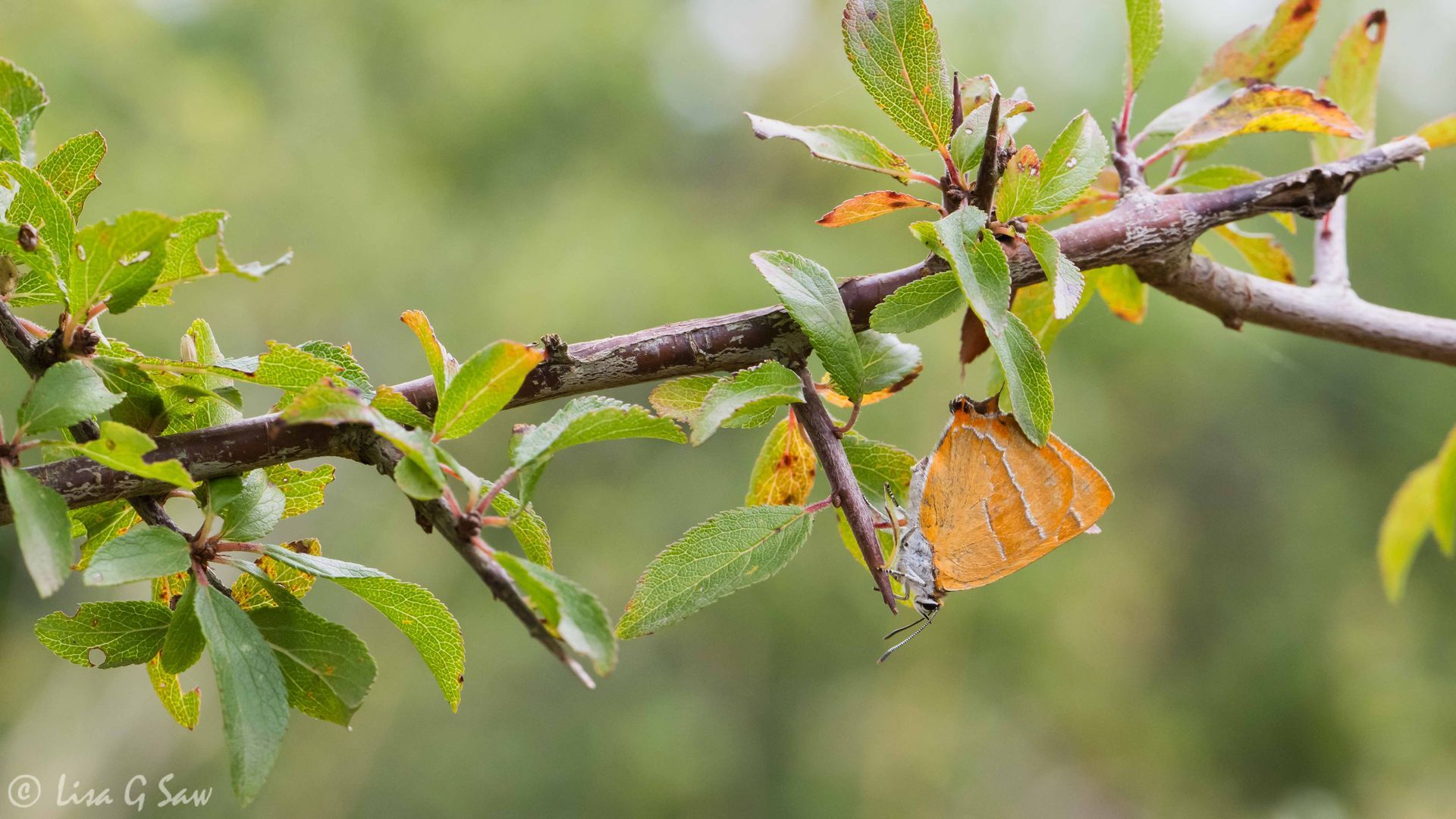
In December, Bob was particularly pleased to have located some Brown Hairstreak eggs on some Blackthorn on the Downland of Seaford. Earlier in the summer, he'd seen a few of these lovely butterflies flying around this particular area for the first time ever. They're a rarity in East Sussex. That's what prompted him to go back in December and look for the eggs. It's one thing to find eggs just after seeing a female lay them, but another altogether when you only have a vague idea about where they may be. I was well impressed he found some and equally pleased he showed me when I was back in Seaford for my winter break.
Late in the month, we made a few trips to Ashdown Forest, and our first one was the best as we saw some Crossbills. I can now say I've seen them about half a dozen times, but before this day, I'd only seen them once before, with only a few photos to show for it. On this occasion, there was just one pair. The female is shown below trying to get the seeds out of the pine cone. Her colouration is very different to the male, with more subtle colouring and a hint of yellow that can be seen on the chest.
The male is very striking and you can see why it's called the Crossbill.
It was wonderful having them come low enough for us to see them feeding. With my long telephoto lens, I was able to get some amazing shots. You can even see the tongue in the right hand photo, squeezing into the tiny groove of the pine cone.
This is my favourite photo of a male with it's beak open and a seed about to be swallowed.
It was a wonderful session watching them and I was thrilled to finally have some decent photos to show for it.
Sometimes, when you can't get out and about, it's worth staying close to home. We enjoyed a few sessions in the garden watching some of our regular visitors, using a bag hide and a tripod near the feeders. The Blue Tit is a regular visitor and a very familiar species for many people. As such, it's often overlooked, but I do love them. They're so small and that distinctive blue head of feathers is beautiful. They usually dart in and out from the feeders very quickly, never really lingering and perhaps wisely so.
We're also lucky to have Greenfinches often visiting too. This female looks like she's keeping an eye on the skies, before making a dash to get some sunflower seeds.
It was the Goldfinches we were most hoping to see in the garden, often descending on the Buddlheia in large groups. That striking red face is unmistakable and makes them easy to identify. I was equally pleased to have some lovely photos of this species too.
One day we headed over to West Rise Marsh to see what local wildlife we could find near Eastbourne. There wasn't much, but two lovely female Reed Buntings saved an otherwise quiet day. We had lovely views of them perching, eating the seeds from the tops of the reeds.
Winter is a great time of year to watch Starling Murmurations, something that Bob hasn't done a huge amount of in the past. On a few occasions, we visited a place our friend Dom had told us about in the north of the county and met up with him too. It was pretty cold, but we were well wrapped up and the warmed mulled wine and biscuits certainly made our waiting more pleasurable. It made a nice change to overlook a lake and be surrounded by trees, rather than a mass of people on the beach at Brighton Pier.
On our first visit, the weather was definitely not great, but what we lacked in the way of colour was more than made up for with activity. The murmuration was stunning and probably one of the best I've ever seen. It was mesmerizing!
On our second visit, the light was gorgeous, but the murmurations weren't quite as good.
I only had my telephoto lens with me, so mostly I only took photos when they were far away. But, one time I zoomed in so I could really get a sense of just how many birds were flying. The numbers kept building as more and more smaller flocks joined the mass over the lake. I think it's the largest number of starlings I've ever seen murmurating. It was so impressive.
Once the starlings went to roost, dropping down into the reedbeds and disappearing from sight and sound, we were treated to a beautiful sunset.
On the final day of the year, we decided to try our luck with the murmurations over Eastbourne Pier. Whilst we've driven past the pier before, this was my first proper visit photographing it, along with the starlings. It can be hit and miss as to whether you're standing in the best location, which we weren't on this occasion. But, we still had a great time.
I think this person had the best view in the house!
What a great end to the year!