UK TRIPS
Posts about weekend and longer trips I've made around the UK.
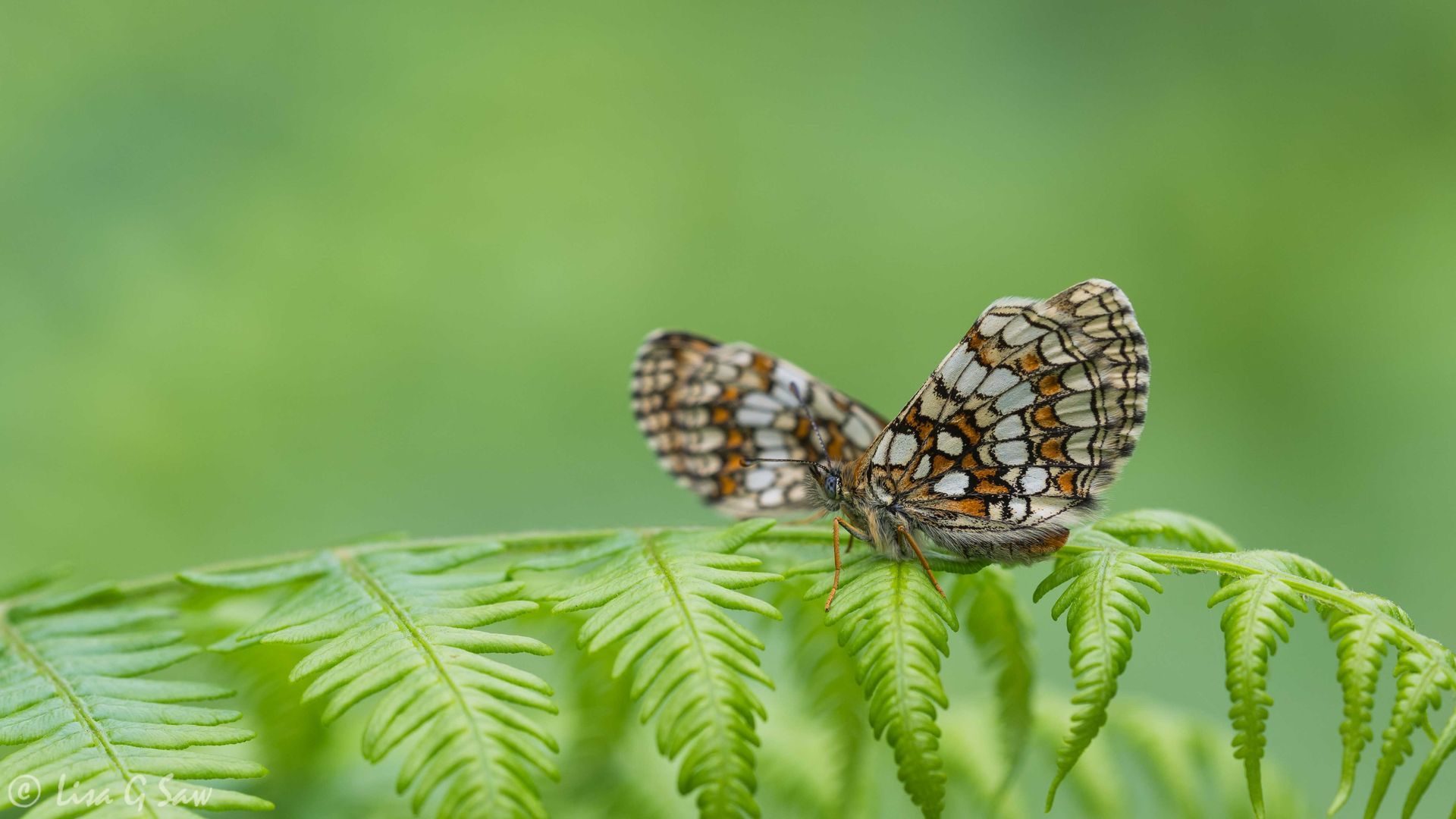
After our lovely week away up in Yorkshire , we began our slow journey back home via Norfolk, Suffolk and Kent, stopping at some of our favourite nature reserves. Essentially, we enjoyed a second week away, even though the weather wasn't quite so favourable. On the first day of our route south, we had a lovely couple of stops in Lincolnshire, to visit a friend of mine who'd fairly recently moved to the area, and also to visit Chamber's Farm Wood - a good site for Marsh Fritillaries that Bob had heard about. When we arrived, Bob commented that the little meadow nearby looked good for Black Hairstreak (lots of Blackthorn), and sure enough, he was right. He spotted one before I'd even joined him there. Soon we both spotted a handful flying around, which was lovely to see. On our short walk through the woodland we saw our first White Admiral of the year. It was fleeting, but lovely. Not long after, we reached an open meadow and saw an abundance of Marsh Fritillaries flying around. I've never seen so many! They were well past their best, since it was late in their flight season, but very active. Eventually, we managed to find a fresher looking female who posed really nicely for us.
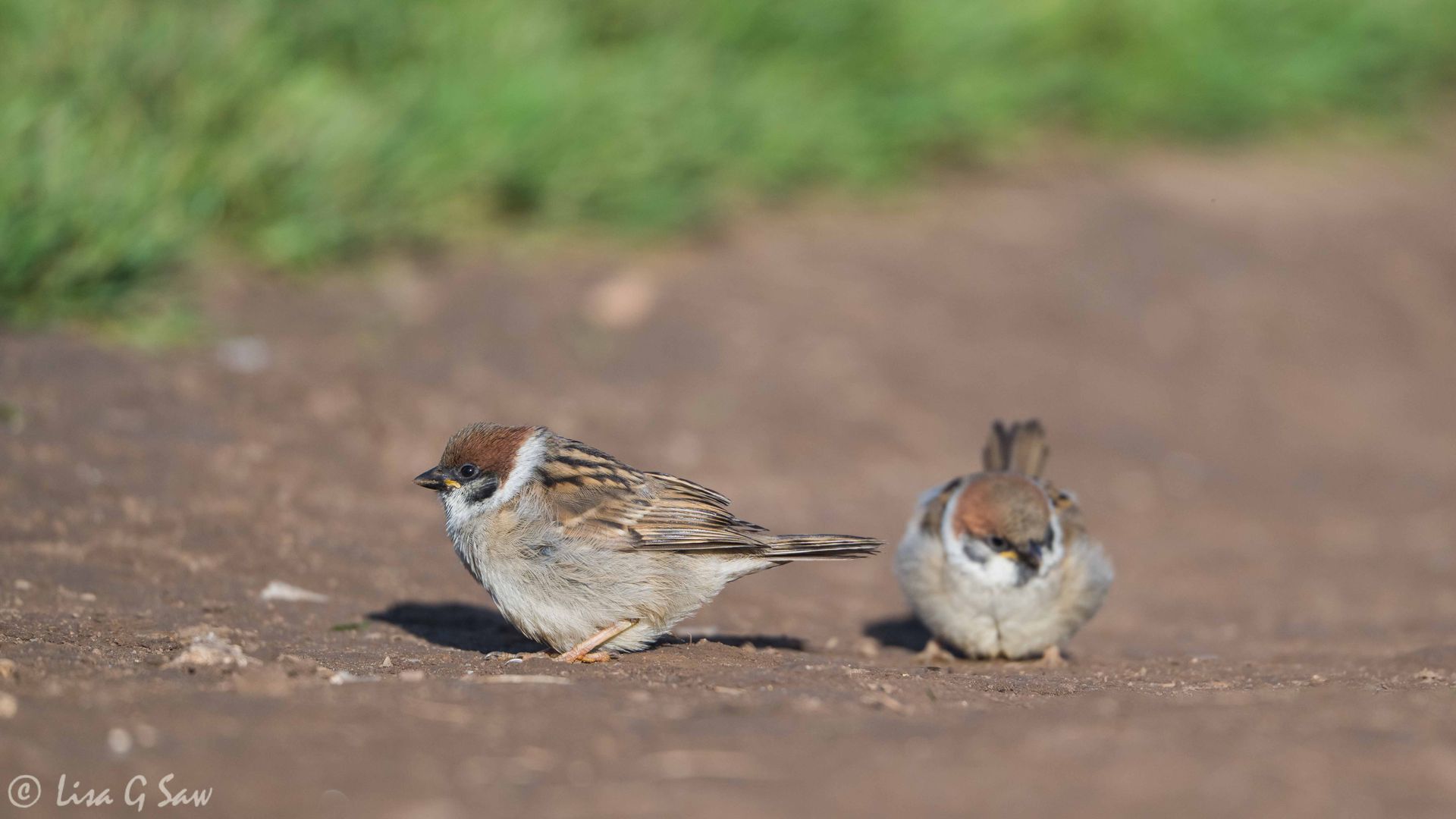
Our original plan for our trip up to Yorkshire, was to drive direct to Buckton, with rest breaks along the way. It wasn't until we were actually driving north on the A23 that Bob suddenly wondered about the possibility of detouring to Glapthorn Cow Pastures. It's a site in Northamptonshire that is known to be good for Black Hairstreaks - a rare butterfly species in the UK. As I was navigating, I had a quick look on my phone and saw that it would only add about 40 minutes to our journey. Since I'd never seen this butterfly species in its natural woodland habitat - the local colony in East Sussex is of questionable origin, and has most likely been introduced - I was eager to visit this new site. I like being spontaneous and I think Bob was surprised I agreed. In the end, it was the perfect place for us to stop for lunch and enjoy some time in a beautiful quiet woodland. Of the few people there, most were about to leave when we arrived. Bizarrely, I recognised one of them too from back home! It was quite easy to find the ride where the majority of Black Hairstreaks were nectaring. Since it wasn't sunny to begin with, it wasn't too tricky taking some photos as they weren't too flighty. I couldn't believe how many I was seeing. There were several flying around in one small area, and as we ambled up the ride we saw many more - about 30 in total. I saw more in that hour than I had in total prior to that occasion. For the majority of time it was just the two of us in this small stretch of the woodland. It was so peaceful. For the most part, only the sounds of the birds and bees could be heard. It was heavenly!
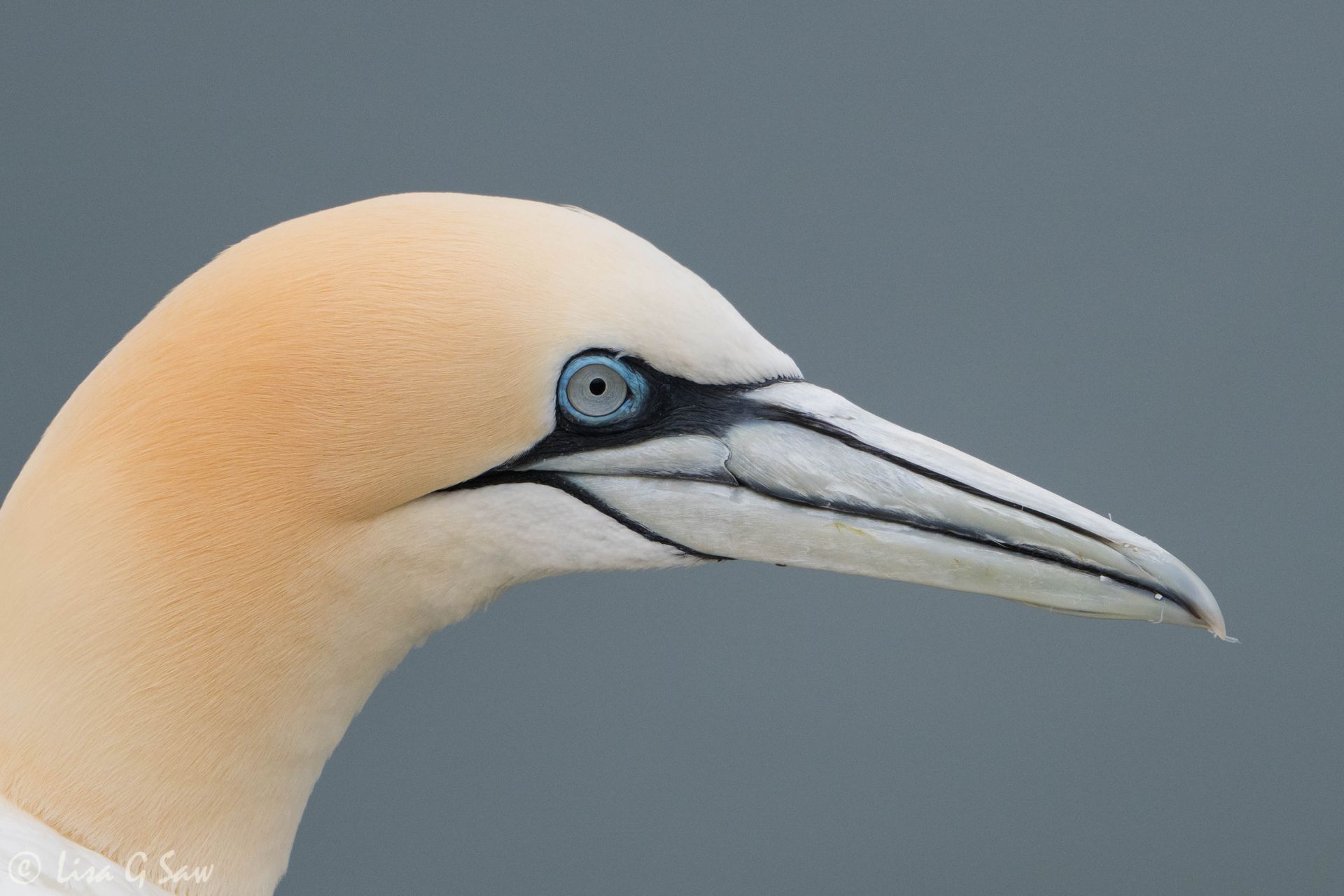
At the end of May, when we had that first bout of warm spring weather, I headed up to Yorkshire with Bob for a week's holiday. We stayed in lovely self-catering accommodation in Buckton where I'd stayed before on a previous visit to the area, but in a deluxe static caravan instead of one of the cottages. The location was fabulous as it gave us wonderful access to the RSPB nature reserve, Bempton Cliffs. It was only a 30 minute walk to the coast, to the northern end of the nature reserve, or we could drive to the various access points not only at the visitor centre nearby, but further eastwards towards Flamborough Headland. Unfortunately, the good weather only lasted the first two days. Having said that, we were lucky the rest of the week because even though it was windy at times, cloudy mostly, and we had some wet spells, we managed to work around it. As always, we try not to let it affect us too much and we both had an excellent time away. Bob's back was still causing him some grief, having put it out a month prior, so we were careful not to spend too long out on walks, or avoid carrying too much equipment. It was actually lovely having a bit more chill time at the accommodation relaxing and reading. The seabirds were the main draw to the area, and there's a good number of them at Bempton Cliffs. They host over 200,000 breeding seabirds during peak season (March to October). Despite the crash in numbers last year due to bird flu, overall the colony seems to be doing well and bouncing back. It's one of the best places in the country to see Northern Gannets, as it is the largest mainland colony, with an estimated 11,000 to 15,000 breeding pairs.
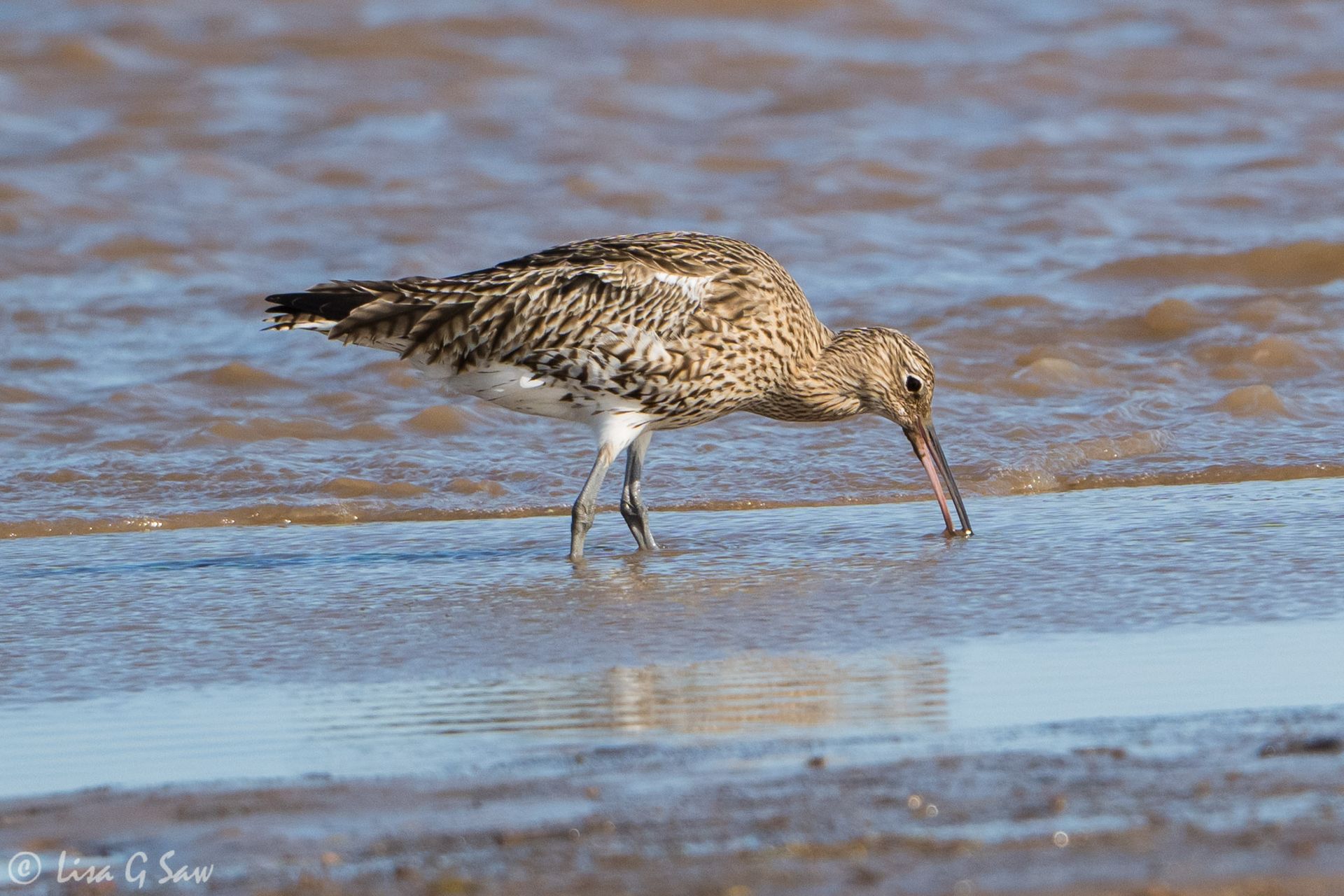
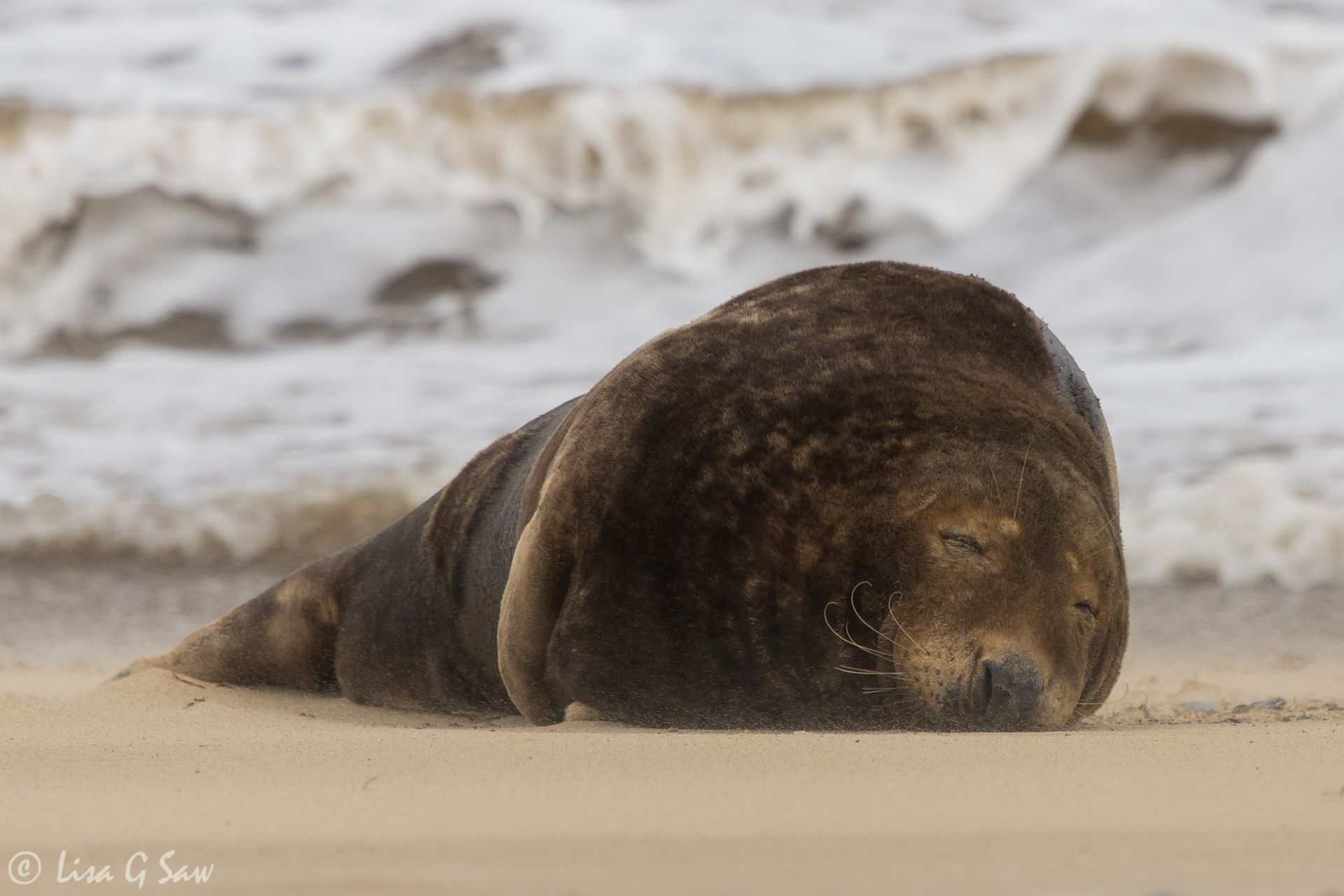
We had a great first two days, driving through Suffolk on our way up to the north Norfolk coast. We enjoyed a full day at RSPB Minsmere on the Friday, then headed into Norfolk the following day, stopping first at Horsey Beach to see the Grey Seals, and then Sheringham to see the rare migrant Eastern Black Redstart ( Winter in Norfolk - Part 1 ). We had a lovely cottage in Morston overlooking the quay - a view we relished every morning as we ate our breakfast. On our first morning, we went for a stroll along the estuary at low tide and across the marsh, then looping back along the coastal path. Some Linnets were very accommodating towards the end of the walk, posing nicely on the tops of the bushes.
Winter is an excellent time to visit the north Norfolk coast, in terms of wildlife opportunities. It seemed the perfect area for my partner, Bob, and I to explore for our most recent holiday, which was for my birthday. It's a place we're both very fond of and yet we'd not been there together before, so it was lovely to return together and share some fabulous new wildlife experiences. We'd booked a lovely cottage in Morston for one week, but as usual, we made the journey there part of our adventure. We had an overnight stop in Lowestoft on our way north, which allowed us to visit RSPB Minsmere, Suffolk before heading to Norfolk. We had two great days before we'd even reached our accommodation for the week. In the weeks leading up to our trip, the weather was either wet, dull or windy, or all three! We didn't have high hopes for how many dry or sunny days we'd have for our trip, so I packed a few books, just in case! That also meant we'd packed all the necessary waterproofs and wellies, ready for anything. As it turned out, we had a really glorious week of lovely sunny, dry weather. What luck! Our previous visits to Minsmere have always been great and this was no different. We were really hoping to see some Woodcock, without spooking them and having the usual rear view as one rapidly flies away. I've only ever seen them a couple of time before, so I was eager for my first good view of one. Perhaps it was fitting, therefore, that I was the one that spotted one, at the precise moment Bob was saying, 'We probably won't find any!'

Earlier in the year, Bob and I had a wonderful holiday up in Scotland, focusing mostly on the Isle of Mull. I've written several blog posts about this trip, which you can read by clicking on this link . However, at the start and the end of our time up north, we went looking for new butterfly species for me - ones we don't see in the south of England. I'm currently in the process of trying to see all UK butterfly species. During our last few days of that holiday, we were in Cumbria searching for the Large Heath, Northern Brown Argus and the Mountain Ringlet. It was too early for the High Brown Fritillary following the cool damp spring, however, there was a chance of seeing some in early August, albeit potentially very tatty and right at the end of their flight season. We'd already started mulling over the idea of returning to Cumbria at that time of year to see another butterfly species new to me, the Scotch Argus. The opportunity to see both species was too tempting to pass by. So, we returned to Cumbria on 6th August, but this time just for two days. It was all we could fit in to our schedule.