PHOTOGRAPHIC TRIPS
Posts from my holidays in the UK and overseas that were specifically photography based trips.
Our original plan for our trip up to Yorkshire, was to drive direct to Buckton, with rest breaks along the way. It wasn't until we were actually driving north on the A23 that Bob suddenly wondered about the possibility of detouring to Glapthorn Cow Pastures. It's a site in Northamptonshire that is known to be good for Black Hairstreaks - a rare butterfly species in the UK. As I was navigating, I had a quick look on my phone and saw that it would only add about 40 minutes to our journey. Since I'd never seen this butterfly species in its natural woodland habitat - the local colony in East Sussex is of questionable origin, and has most likely been introduced - I was eager to visit this new site. I like being spontaneous and I think Bob was surprised I agreed. In the end, it was the perfect place for us to stop for lunch and enjoy some time in a beautiful quiet woodland. Of the few people there, most were about to leave when we arrived. Bizarrely, I recognised one of them too from back home! It was quite easy to find the ride where the majority of Black Hairstreaks were nectaring. Since it wasn't sunny to begin with, it wasn't too tricky taking some photos as they weren't too flighty. I couldn't believe how many I was seeing. There were several flying around in one small area, and as we ambled up the ride we saw many more - about 30 in total. I saw more in that hour than I had in total prior to that occasion. For the majority of time it was just the two of us in this small stretch of the woodland. It was so peaceful. For the most part, only the sounds of the birds and bees could be heard. It was heavenly!
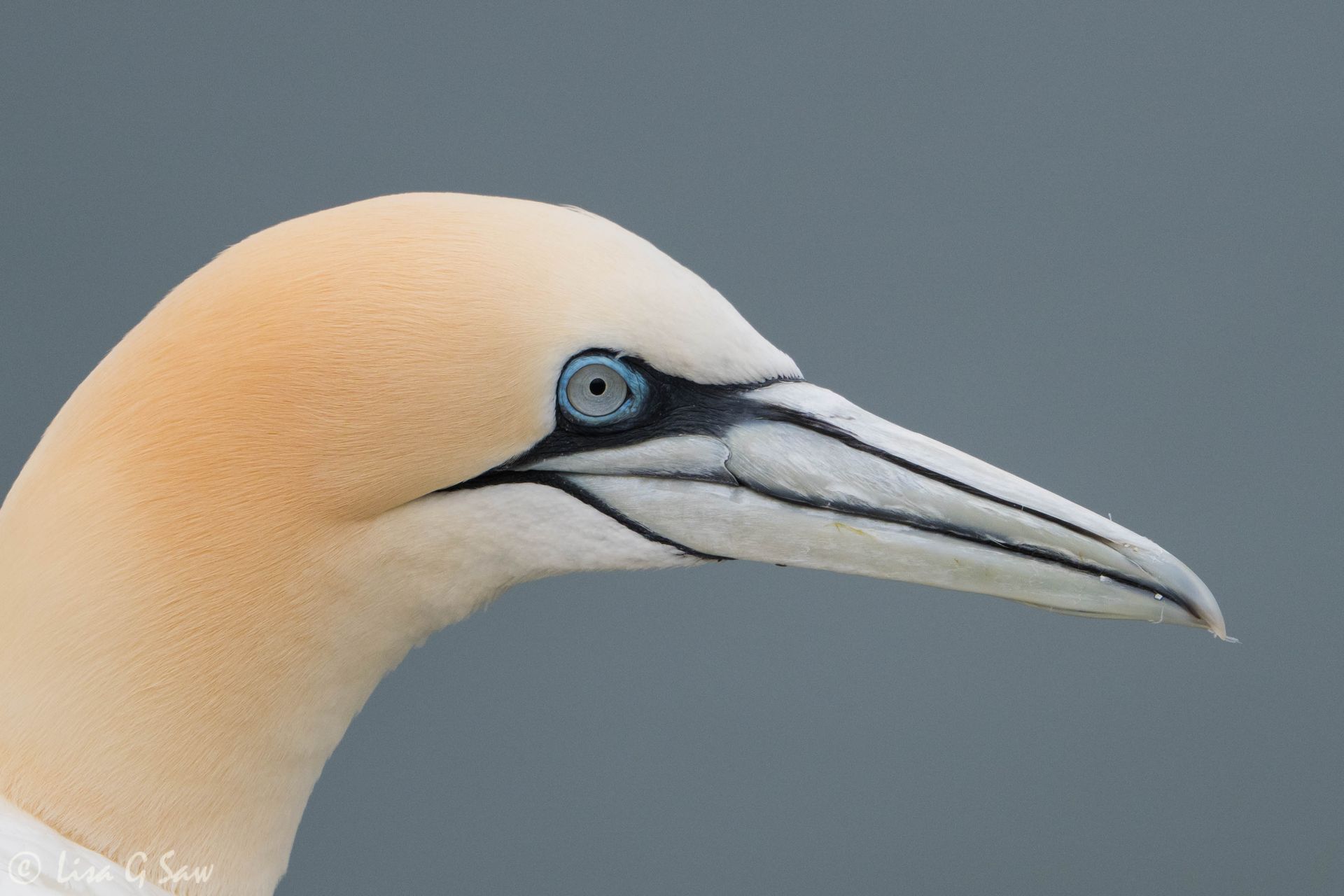
At the end of May, when we had that first bout of warm spring weather, I headed up to Yorkshire with Bob for a week's holiday. We stayed in lovely self-catering accommodation in Buckton where I'd stayed before on a previous visit to the area, but in a deluxe static caravan instead of one of the cottages. The location was fabulous as it gave us wonderful access to the RSPB nature reserve, Bempton Cliffs. It was only a 30 minute walk to the coast, to the northern end of the nature reserve, or we could drive to the various access points not only at the visitor centre nearby, but further eastwards towards Flamborough Headland. Unfortunately, the good weather only lasted the first two days. Having said that, we were lucky the rest of the week because even though it was windy at times, cloudy mostly, and we had some wet spells, we managed to work around it. As always, we try not to let it affect us too much and we both had an excellent time away. Bob's back was still causing him some grief, having put it out a month prior, so we were careful not to spend too long out on walks, or avoid carrying too much equipment. It was actually lovely having a bit more chill time at the accommodation relaxing and reading. The seabirds were the main draw to the area, and there's a good number of them at Bempton Cliffs. They host over 200,000 breeding seabirds during peak season (March to October). Despite the crash in numbers last year due to bird flu, overall the colony seems to be doing well and bouncing back. It's one of the best places in the country to see Northern Gannets, as it is the largest mainland colony, with an estimated 11,000 to 15,000 breeding pairs.
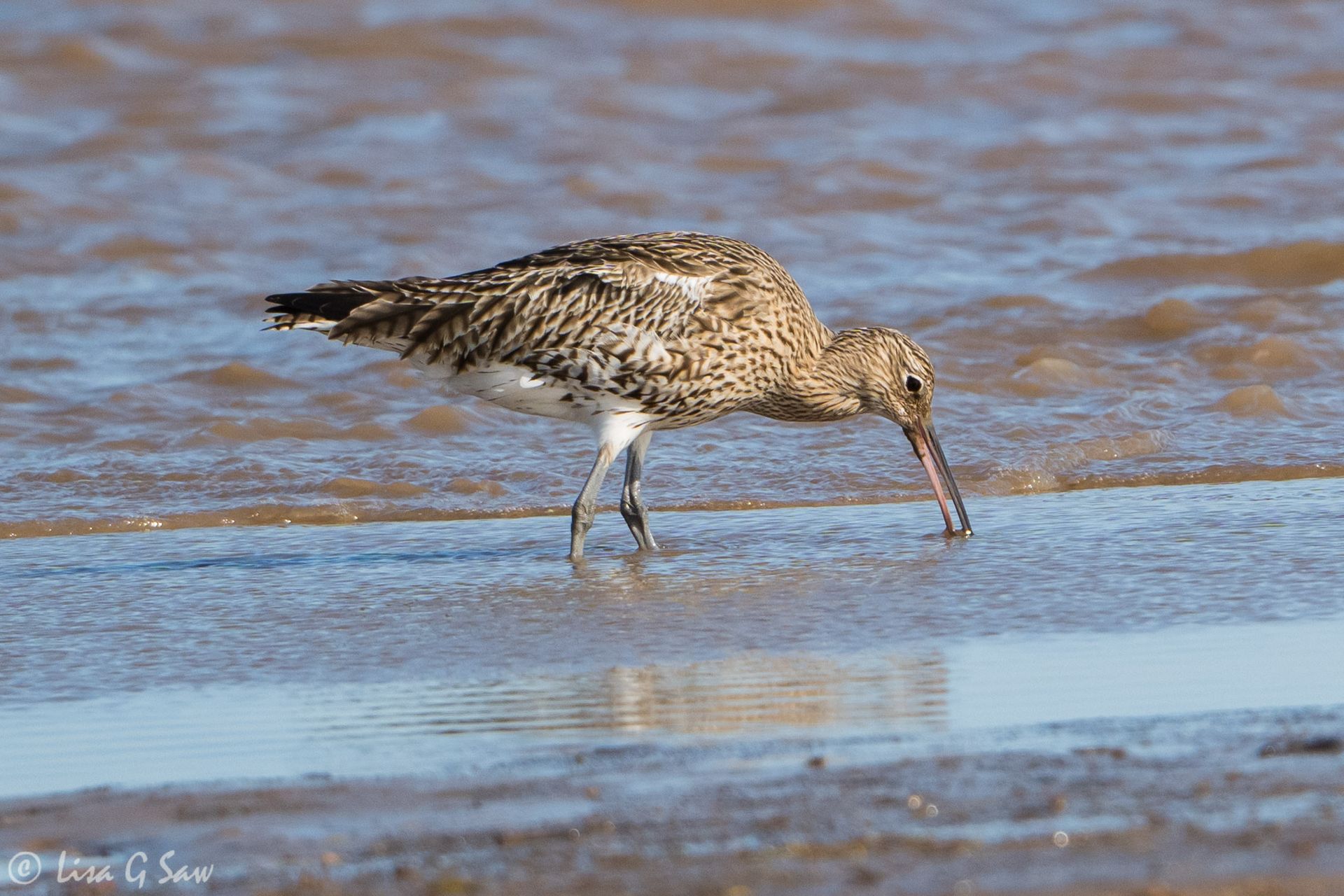
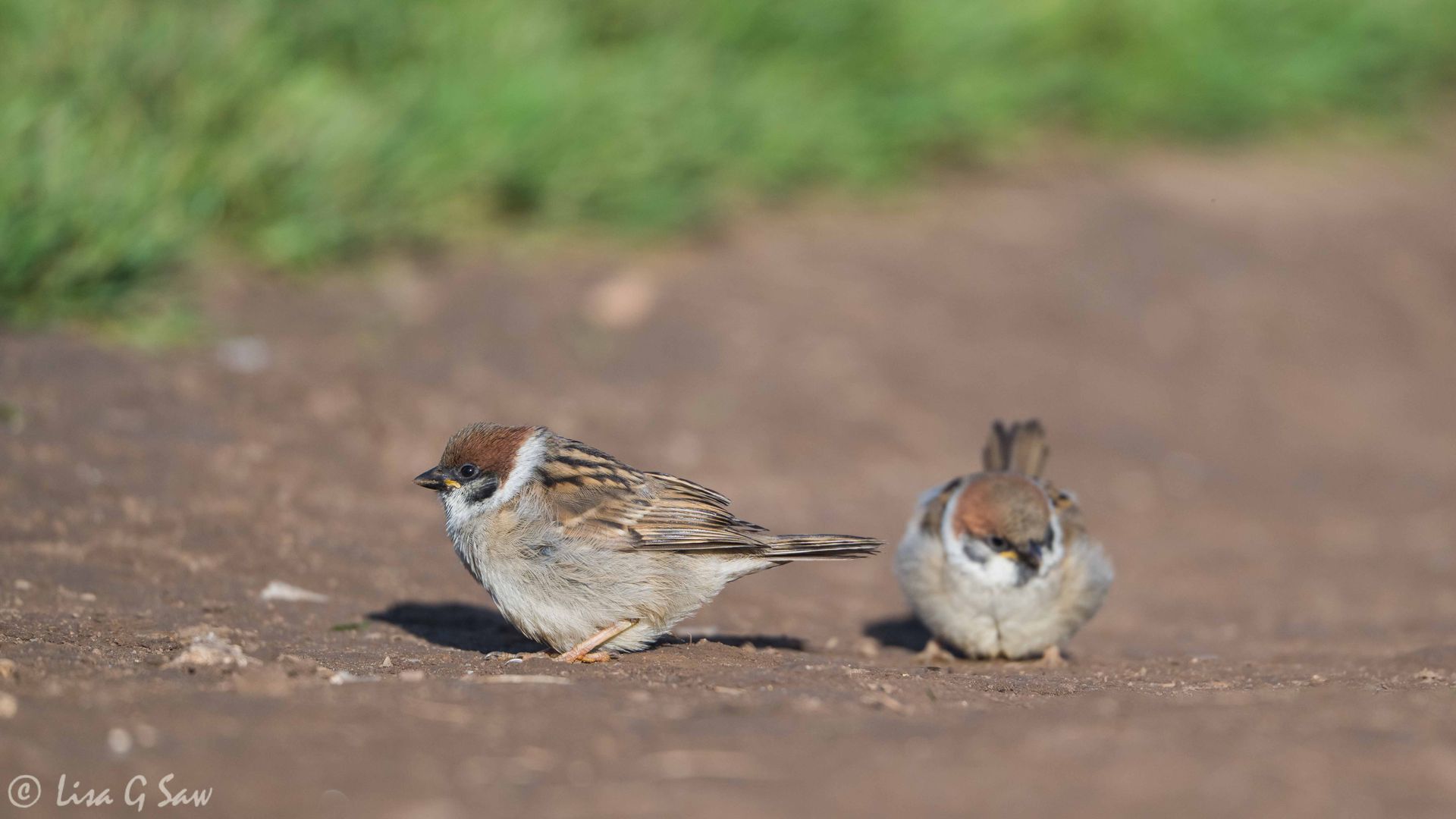
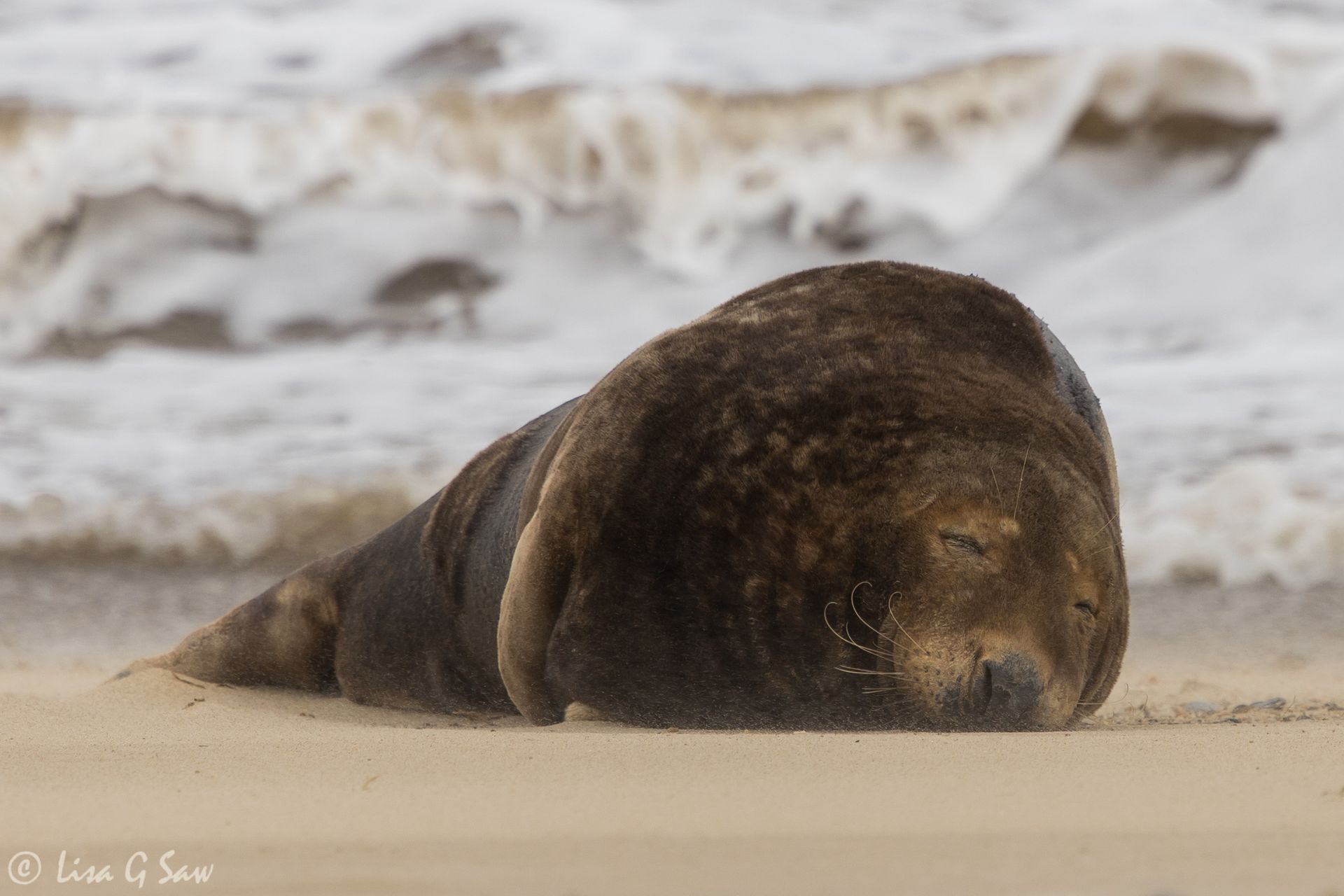
We had a great first two days, driving through Suffolk on our way up to the north Norfolk coast. We enjoyed a full day at RSPB Minsmere on the Friday, then headed into Norfolk the following day, stopping first at Horsey Beach to see the Grey Seals, and then Sheringham to see the rare migrant Eastern Black Redstart ( Winter in Norfolk - Part 1 ). We had a lovely cottage in Morston overlooking the quay - a view we relished every morning as we ate our breakfast. On our first morning, we went for a stroll along the estuary at low tide and across the marsh, then looping back along the coastal path. Some Linnets were very accommodating towards the end of the walk, posing nicely on the tops of the bushes.
Winter is an excellent time to visit the north Norfolk coast, in terms of wildlife opportunities. It seemed the perfect area for my partner, Bob, and I to explore for our most recent holiday, which was for my birthday. It's a place we're both very fond of and yet we'd not been there together before, so it was lovely to return together and share some fabulous new wildlife experiences. We'd booked a lovely cottage in Morston for one week, but as usual, we made the journey there part of our adventure. We had an overnight stop in Lowestoft on our way north, which allowed us to visit RSPB Minsmere, Suffolk before heading to Norfolk. We had two great days before we'd even reached our accommodation for the week. In the weeks leading up to our trip, the weather was either wet, dull or windy, or all three! We didn't have high hopes for how many dry or sunny days we'd have for our trip, so I packed a few books, just in case! That also meant we'd packed all the necessary waterproofs and wellies, ready for anything. As it turned out, we had a really glorious week of lovely sunny, dry weather. What luck! Our previous visits to Minsmere have always been great and this was no different. We were really hoping to see some Woodcock, without spooking them and having the usual rear view as one rapidly flies away. I've only ever seen them a couple of time before, so I was eager for my first good view of one. Perhaps it was fitting, therefore, that I was the one that spotted one, at the precise moment Bob was saying, 'We probably won't find any!'
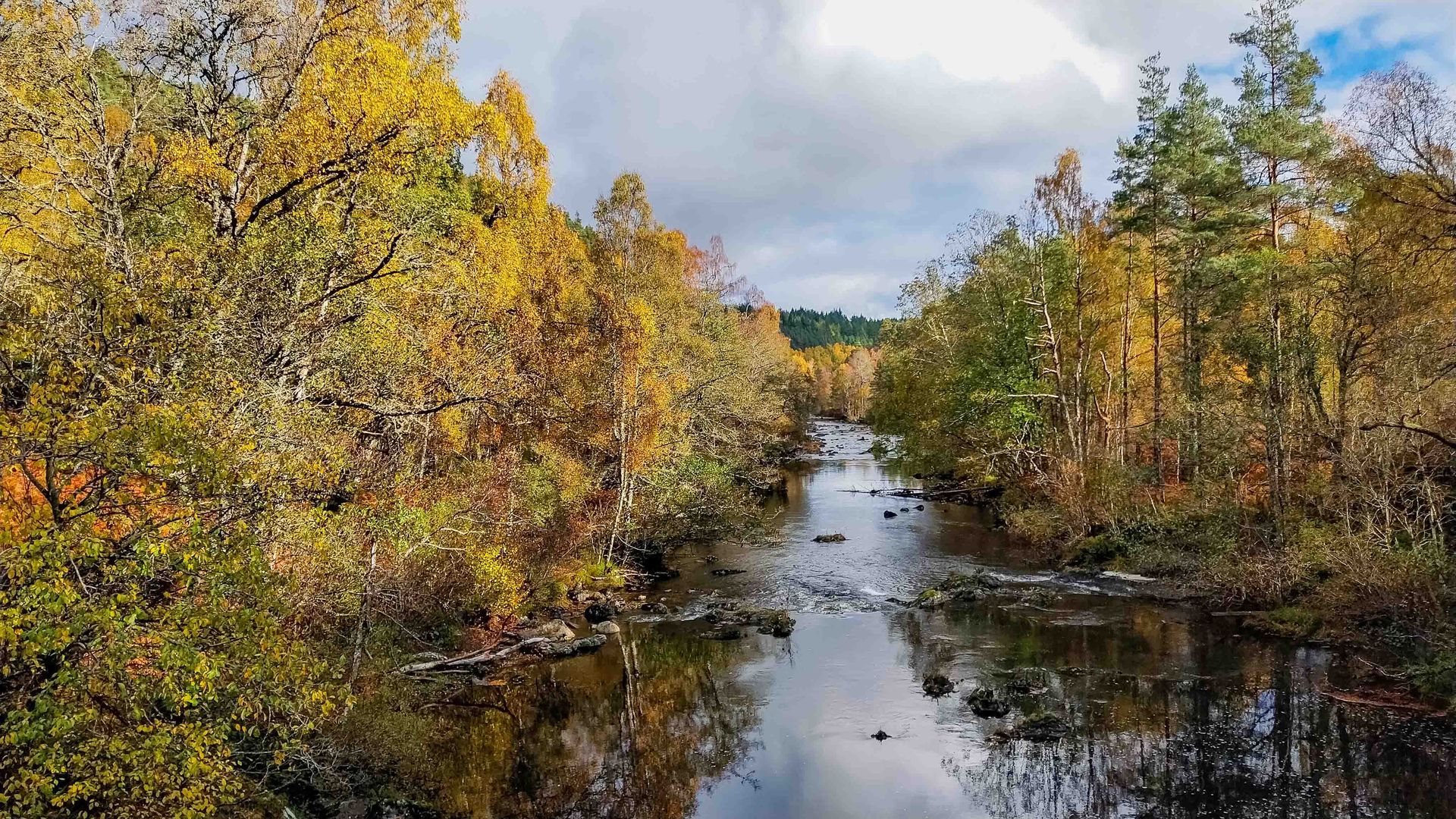
This autumn Bob and I returned to the Highands, two years after our last trip to the area. With his son Matt and fiancée Emily now living there, it was a great opportunity to see them, enjoy some wildlife watching and spend time out in nature. The weather forecast for our time away was less than ideal, but we were determined to make the most of our visit, even if that meant wearing waterproofs most days! We stayed in two different self-catered accommodation in the Aigas Valley near where Matt and Emily live, on the west side of Loch Ness. It was lovely staying somewhere new and very picturesque, especially during the autumn. The only downside about the holiday was that I managed to hurt my back the day before leaving. It was very frustrating, but I didn't want it to ruin the holiday, so I tried to focus more on enjoying the experience of where we were and not worrying too much about the photography. That being said, I did use my camera on the first morning as a little test. On that first day, and on two subsequent days, we explored Glen Affric. It looked beautiful with the autumn colours (top and below). On every visit, we stopped at Dog Falls, where the picturesque River Affric tumbles and cascades over the rocks. For a stretch, a path runs alongside it, providing us with plenty of opportunities to stop and look out for any Dippers. As luck would have it, I did spot one very early on. It flew across the river to the far side and proceeded to bob up and down, periodically diping its head into the water looking for food. It was wonderful to have some time watching it, and keeping up with it as it worked its way down river. But eventually, it flew off and we lost sight of it. Unfortunately, it was to be our only Dipper sighting the whole time we were in these parts and none of the photos were worth keeping.
Bob and I had just experienced a wonderful four days in Norfolk in search of the Swallowtail butterfly , which I'd never seen before, and we decided to head home via RSPB Minsmere in Suffolk. Both of us had only ever been to this reserve once before, many years ago, before we knew each other. That first visit for me was a memorable occasion because it was the first time I saw Eurasian Otters in the wild and my first ever sighting of an Eurasian Bittern. Aside from it being a lovely nature reserve to visit anyway, it was the lure of the bittern that was calling me back. We'd already had two lovely sightings of this shy and elusive waterbird in Norfolk, but I had higher hopes for a better, closer sighting at Minsmere having seen some fabulous photos on social media from a few weeks prior. So, whilst we were sad to be leaving Norfolk, I was eager for the day ahead and what we might see. Things were off to a great start as we followed the woodland trail to one of the hides and saw a small cluster of people on the path ahead looking up. Someone had spotted a Tawny Owl high up in the trees. There was even a scope set up pointing towards it. The gentleman who owned it kindly invited us to have a look. It was fabulous to see the owl nestled close to the tree trunk and with its eyes shut, having a few winks. They sleep a lot in the daytime since they're mostly nocturnal. After looking through the scope, it was a case of trying to locate it it with my bins and see if I could take a photo. I was pleased with the image I was able to capture. More people came along the path and some people were struggling to spot it. Bob and I both ended up helping others try to locate it. It can be very difficult describing to others which line of trees and branches to follow with their eyes!