TRANSYLVANIA, ROMANIA
2026
In September, Bob and I had a wonderful long weekend visiting Transylvania for a family wedding. It was a very special occasion, filled with lots of lovely traditions, in a beautiful rural setting, with great food, entertainment and company. In between all the family events, we were also fortunate to have several opportunities to explore the local area and see what local wildlife we could find.
All the butterfly photos shared below were amongst the 11 butterfly species new to me during our short stay.
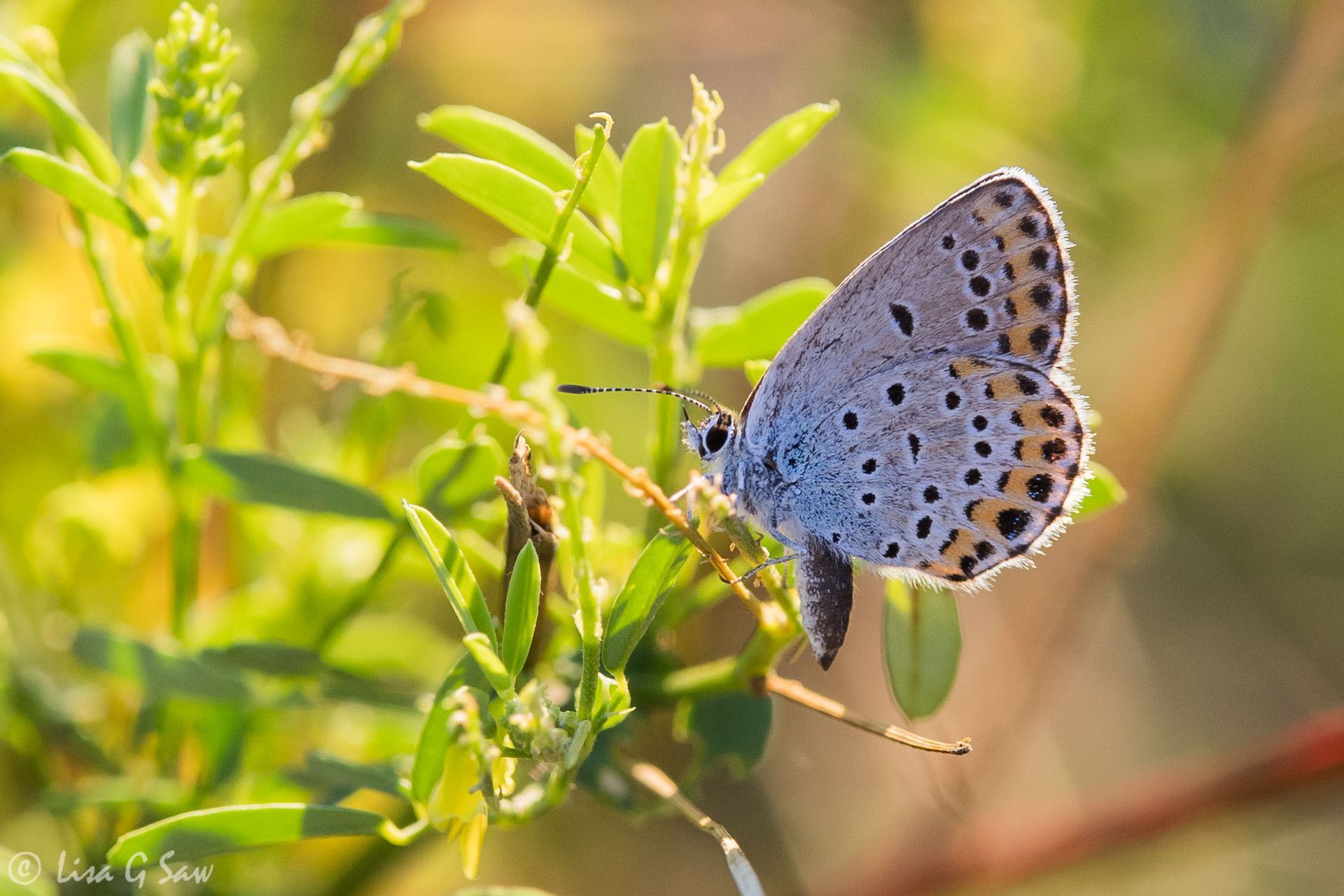
Reverdin's Blue.
September is late in the butterfly season, so many species were not the freshest, like this one. But, it was fabulous to see so many new species, even on our first early evening walk.
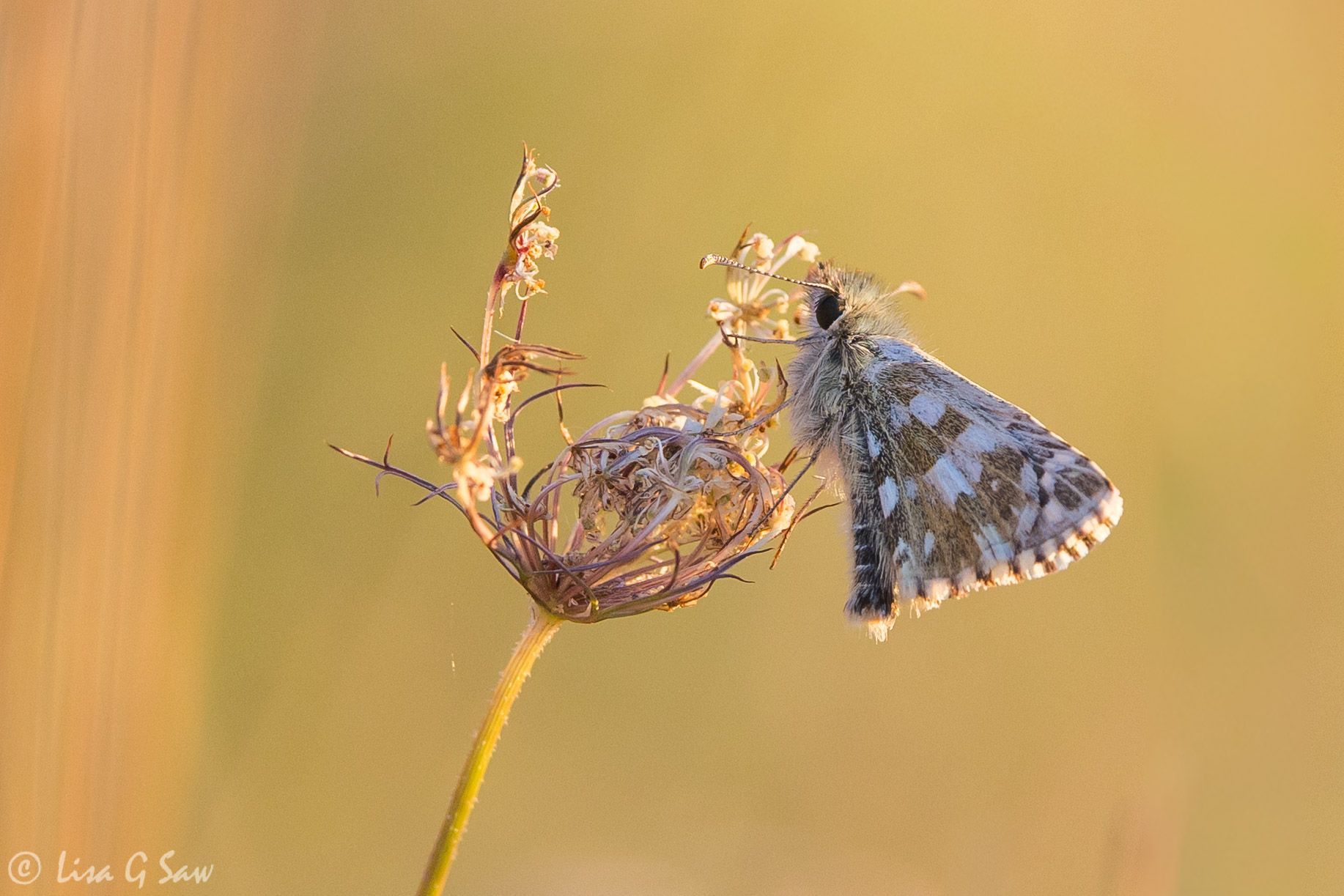
Oberthür's Grizzled Skipper.
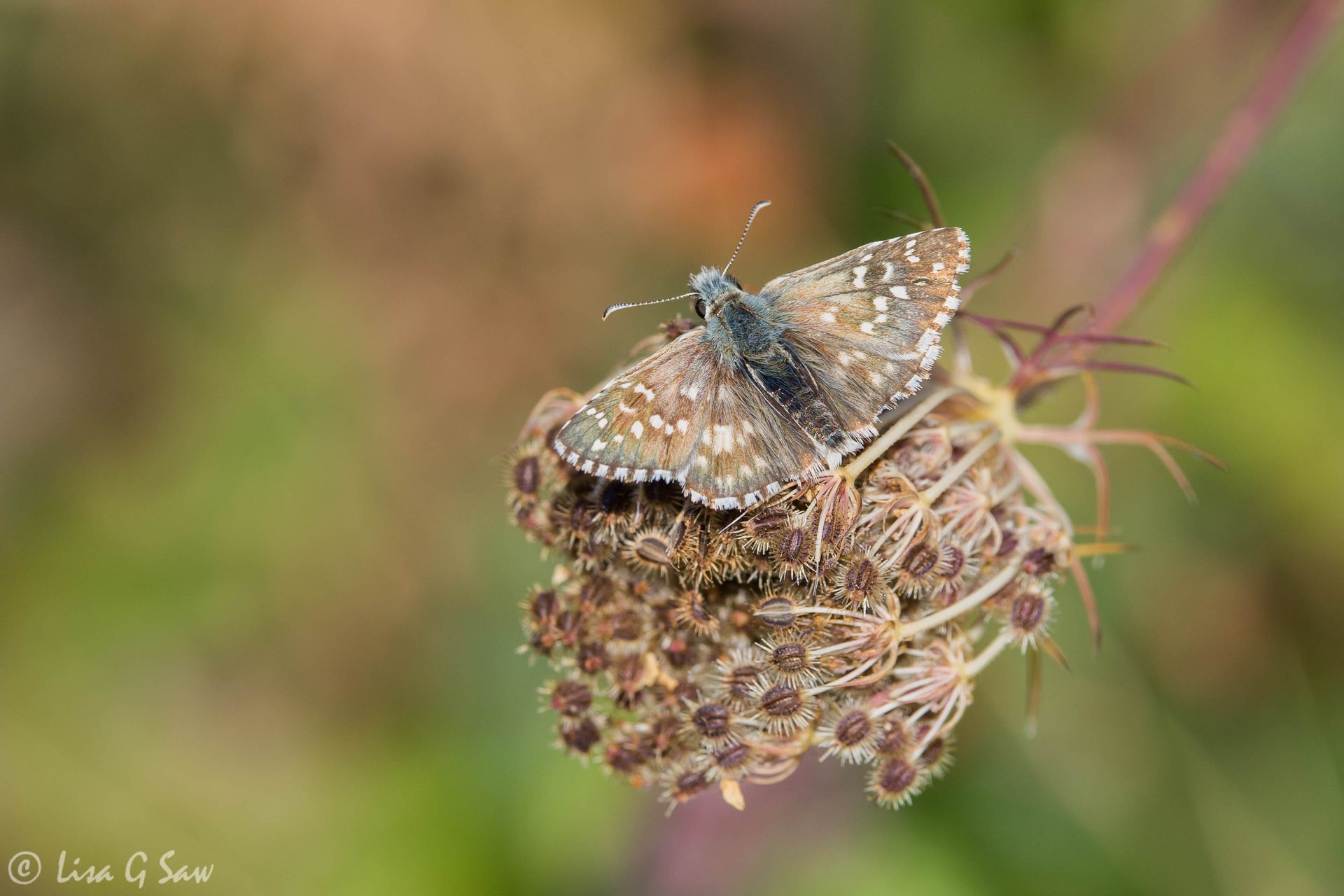
Oberthür's Grizzled Skipper - open wing view.
To my fairly novice eye if looks very similar to the Grizzled Skipper, which we also have in the UK. Although there are subtle differences, one key determining fact for us is time of year - the Grizzled Skipper is only seen April to June.
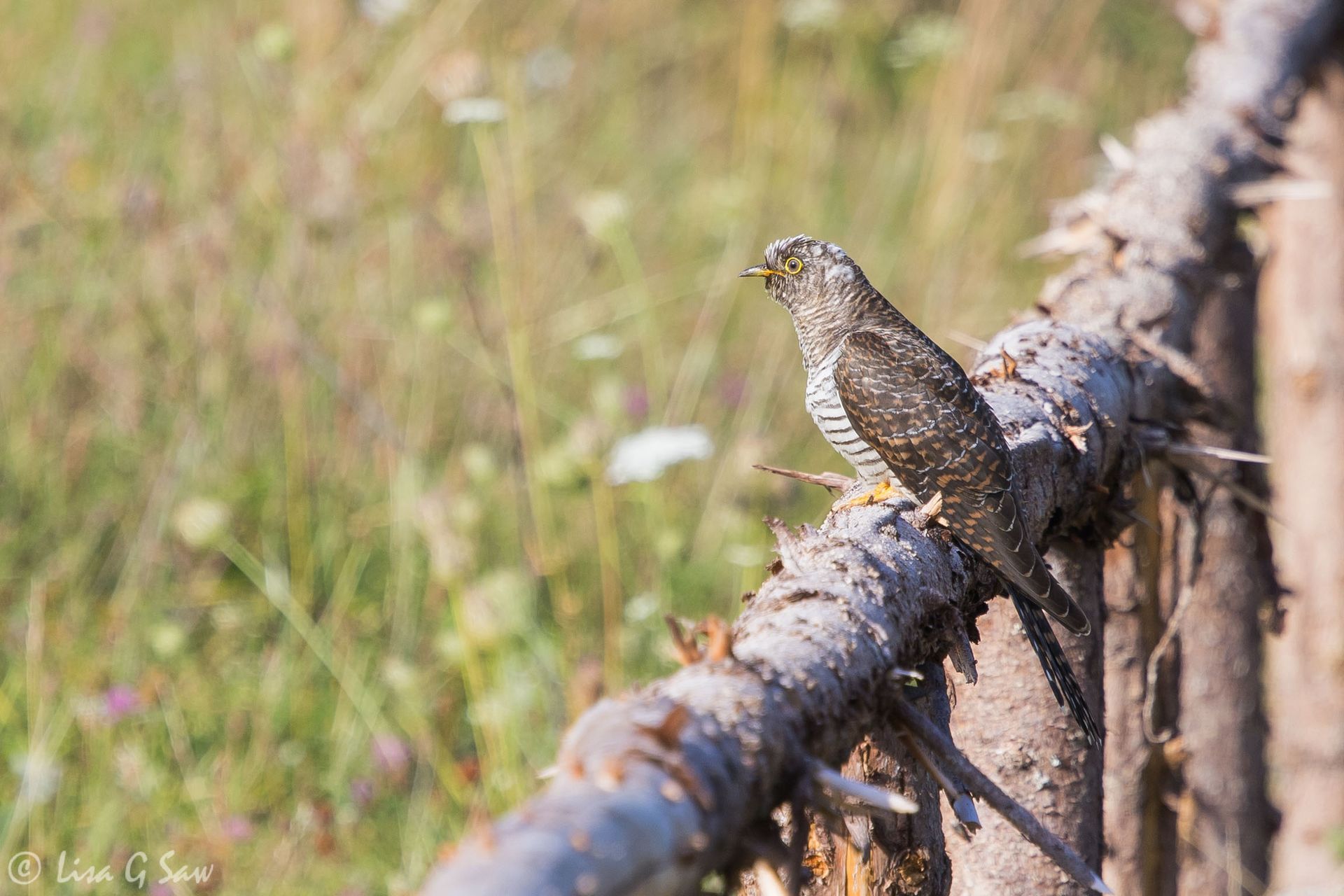
Juvenile Cuckoo.
This is my best ever, and closest sighting of a Cuckoo, so it was a thrill to see this lovely juvenile on one of our outings.
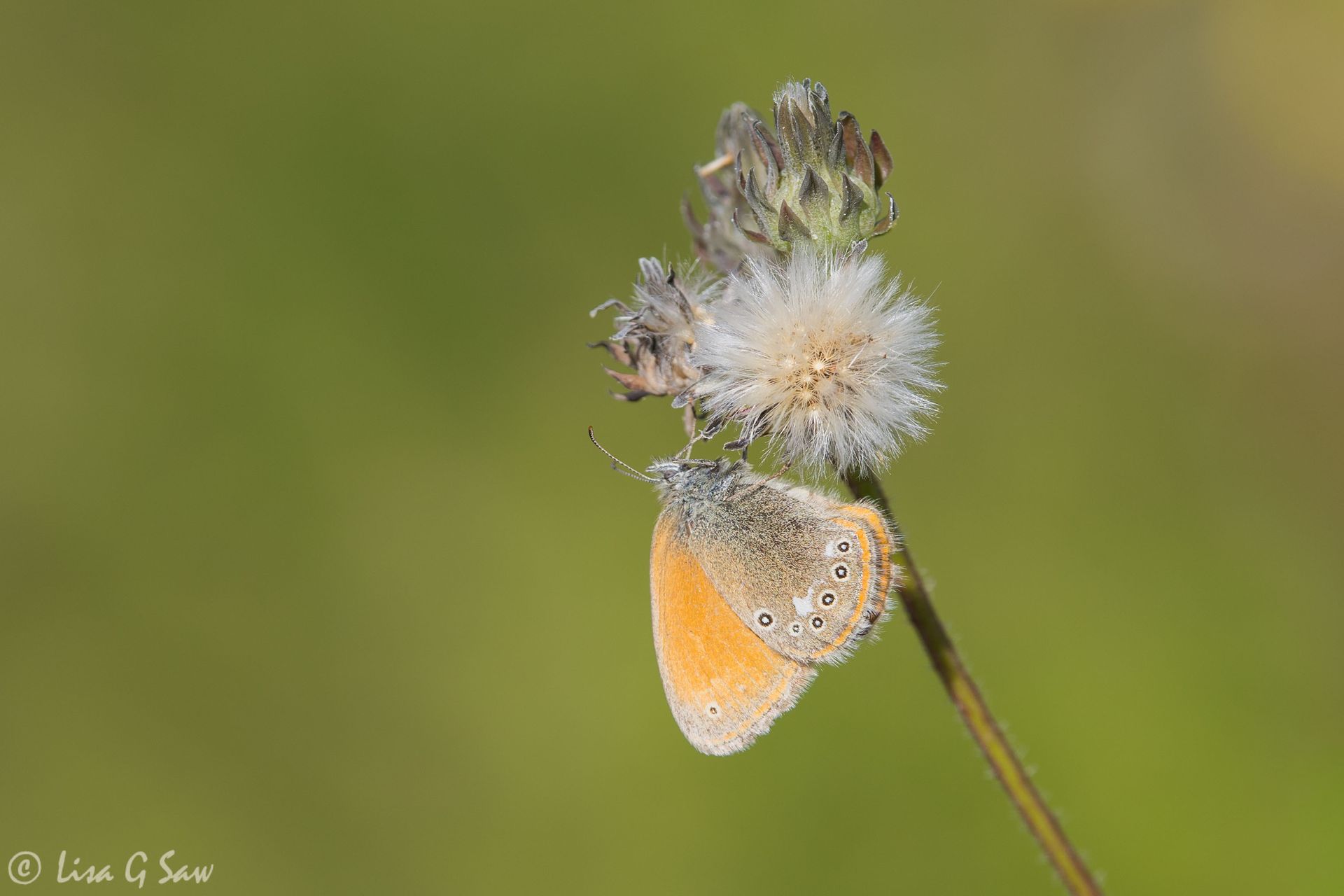
Chestnut Heath.
Just as small as the Small Heath (and can even be smaller), this lovely butterfly was a pleasure to see on a few occasions. It's distinct rings on the hindwing make it obvious to tell the difference.
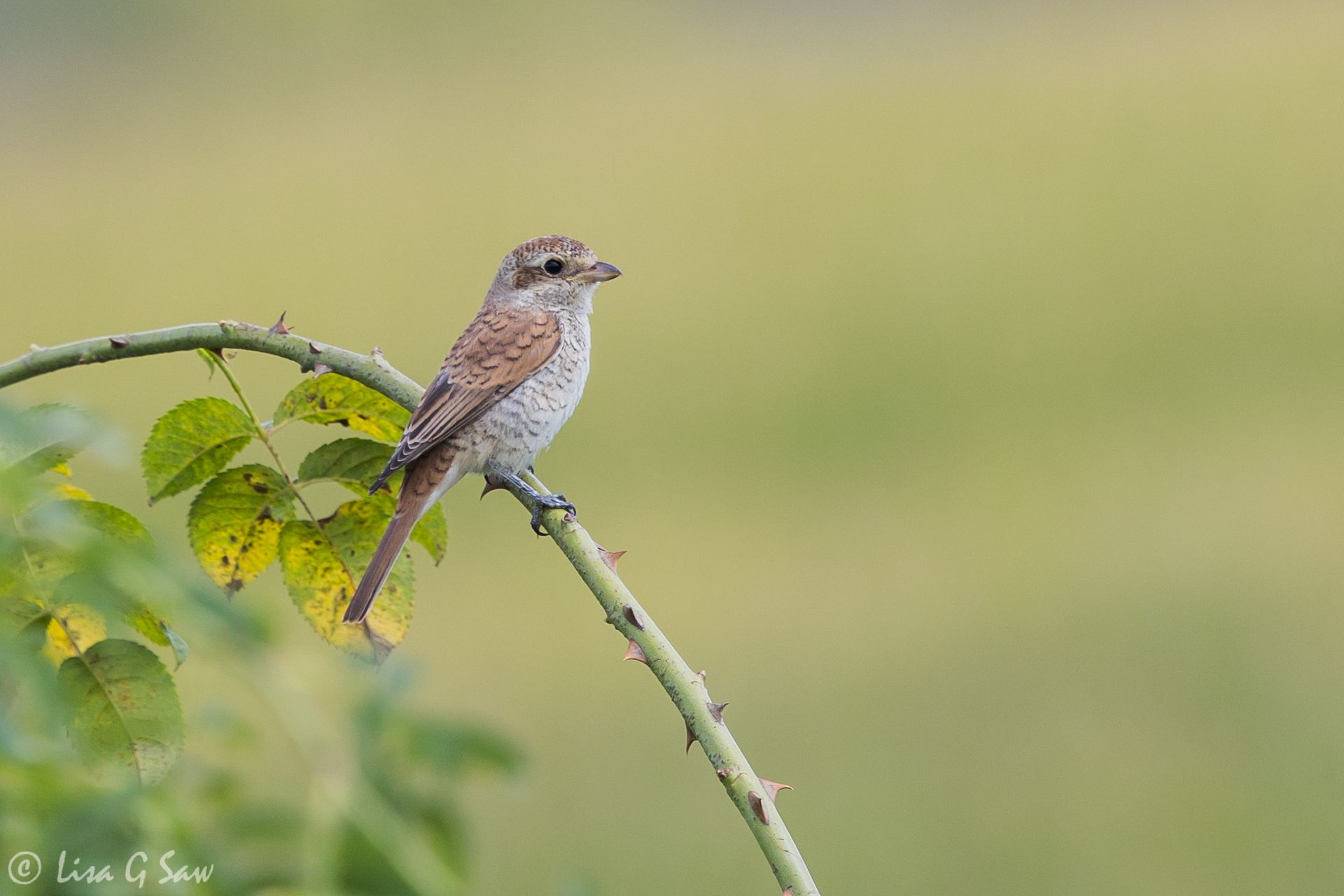
There were also new species of bird life for me to enjoy, including the Red-backed Shrike, which we saw many times on our walks.
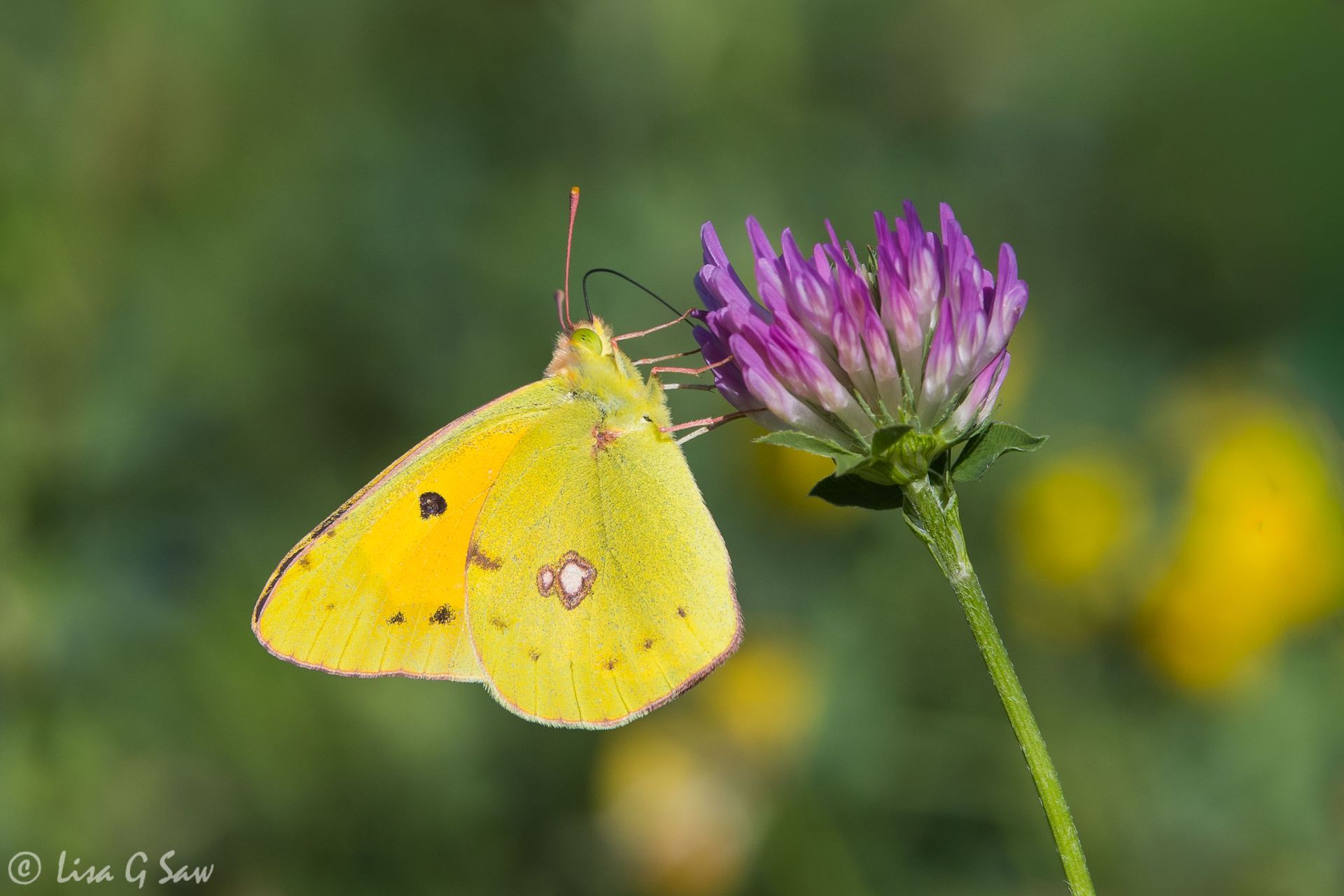
Pale Clouded Yellow.
It was not a surprise to see Clouded Yellows everywhere we walked in the countryside, as they've been having a fabulous year in the UK too. But, the Pale Clouded Yellow is a rarity in the UK. It's difficult to tell them apart when resting. The paler/whiter upperwings seen when flying was helpful.
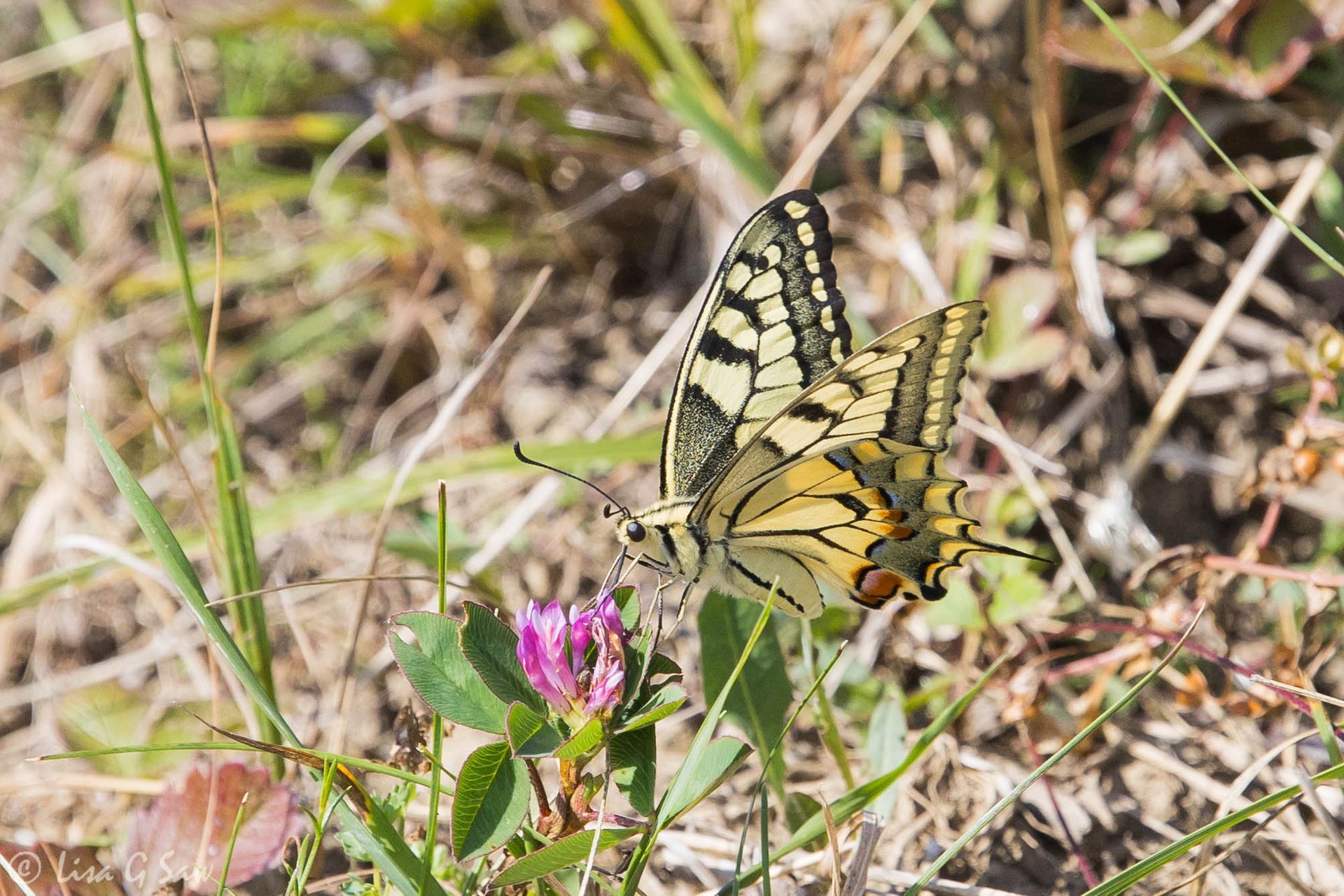
European Swallowtail.
I've only seen the britannicus sub-species before, twice before in Norfolk. So, to see the European sub-species gorganus was a thrill. The first time it flew past us speedily, but the second time this female was busy egg-laying. I managed to keep up with her and finally take a photo when she decided to nectar on a flower.
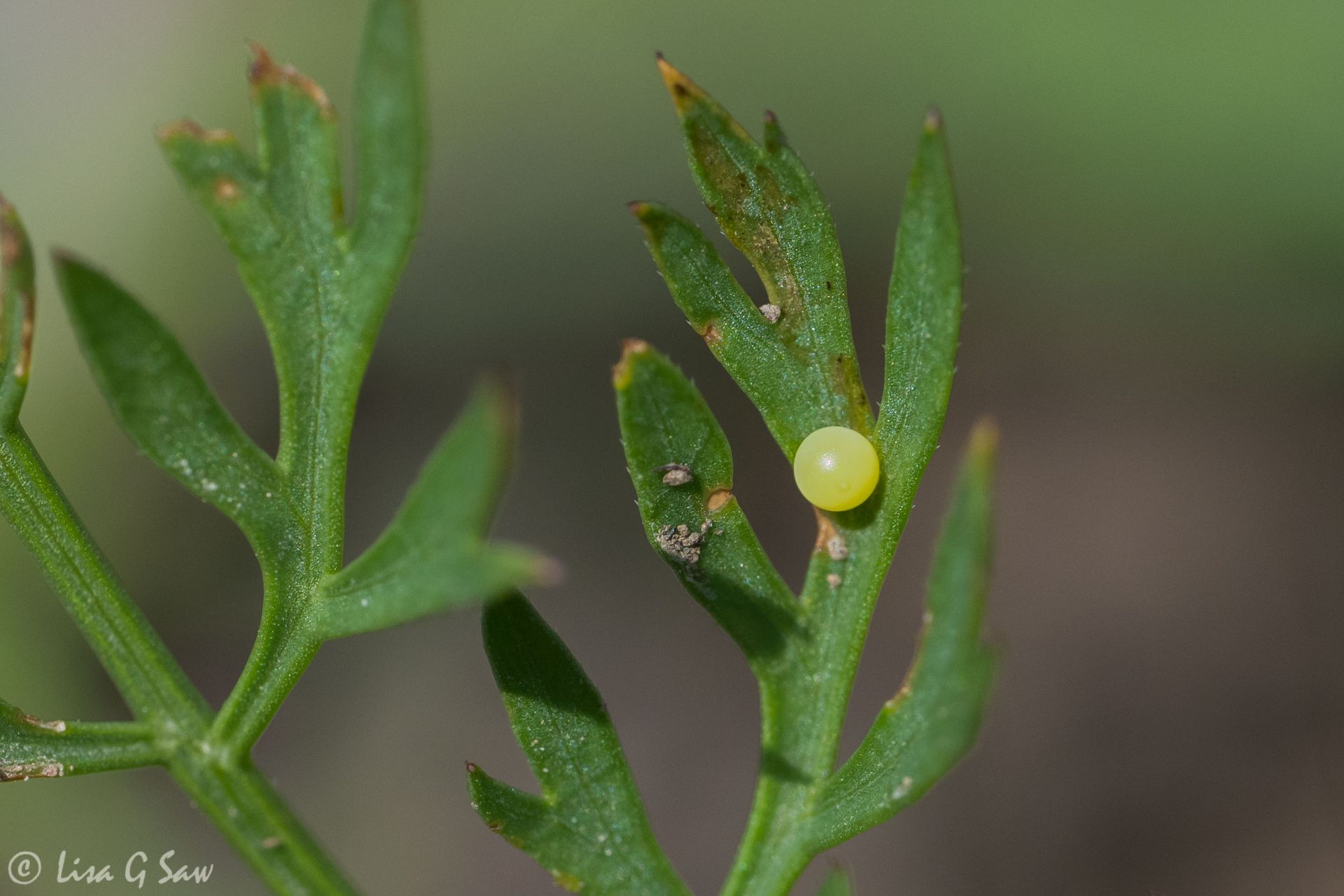
Whilst I was busy following her, Bob did a search for one of her eggs, after she'd moved away. Success!
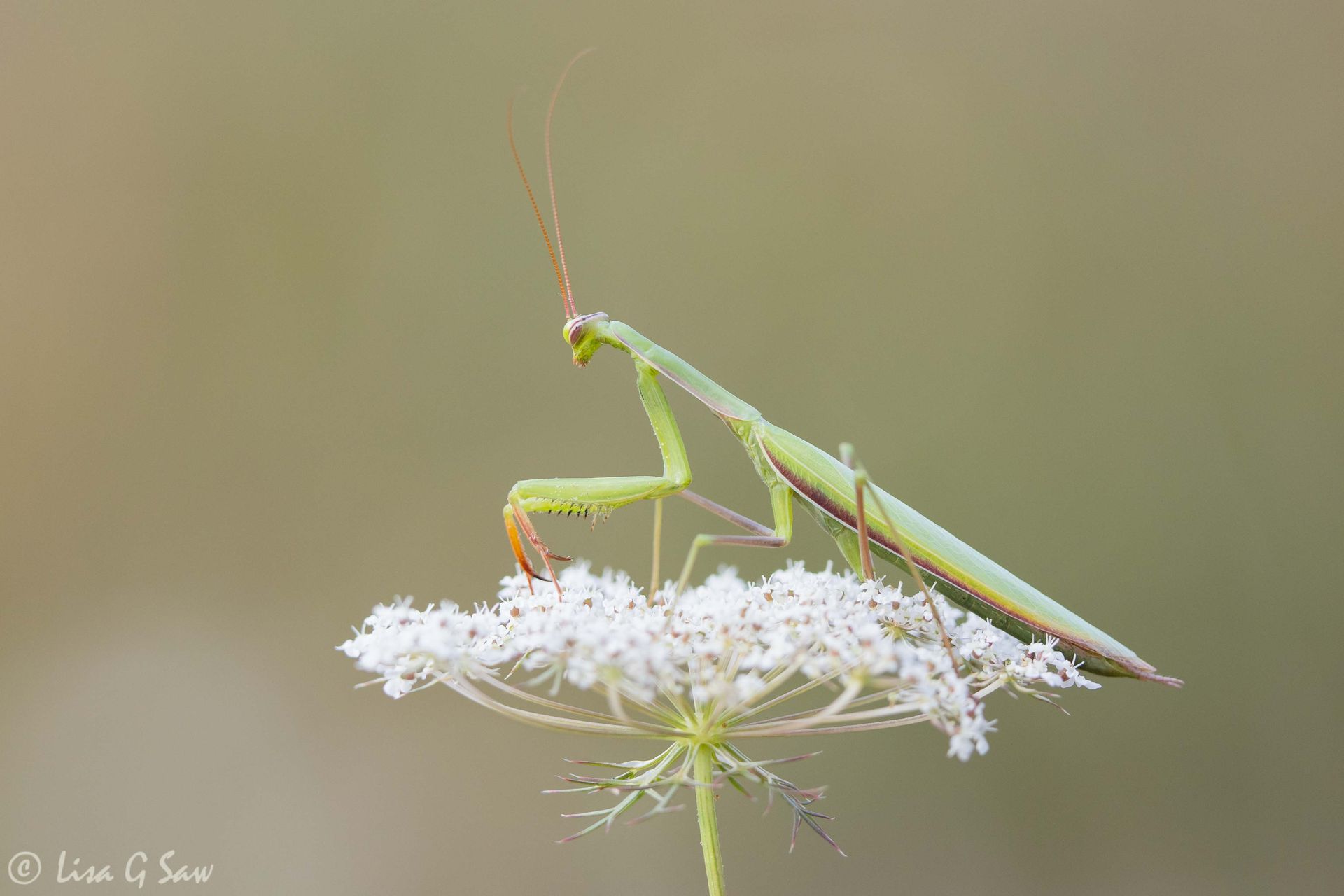
Praying Mantis.
Bob found this - it was still our first full day and new species were continuing to be found.
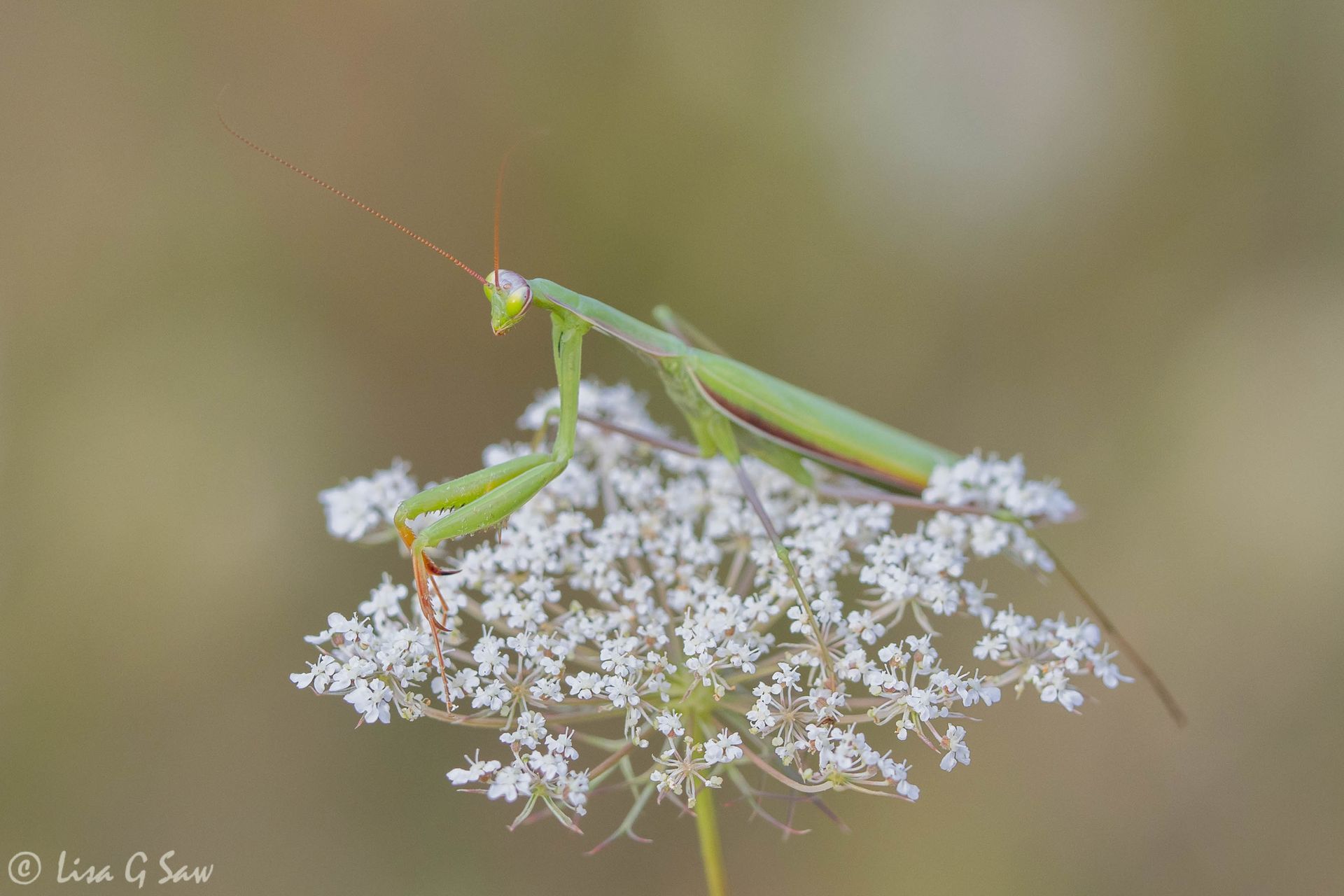
With its front legs often seen close together, you can see why it is called a Praying Mantis.
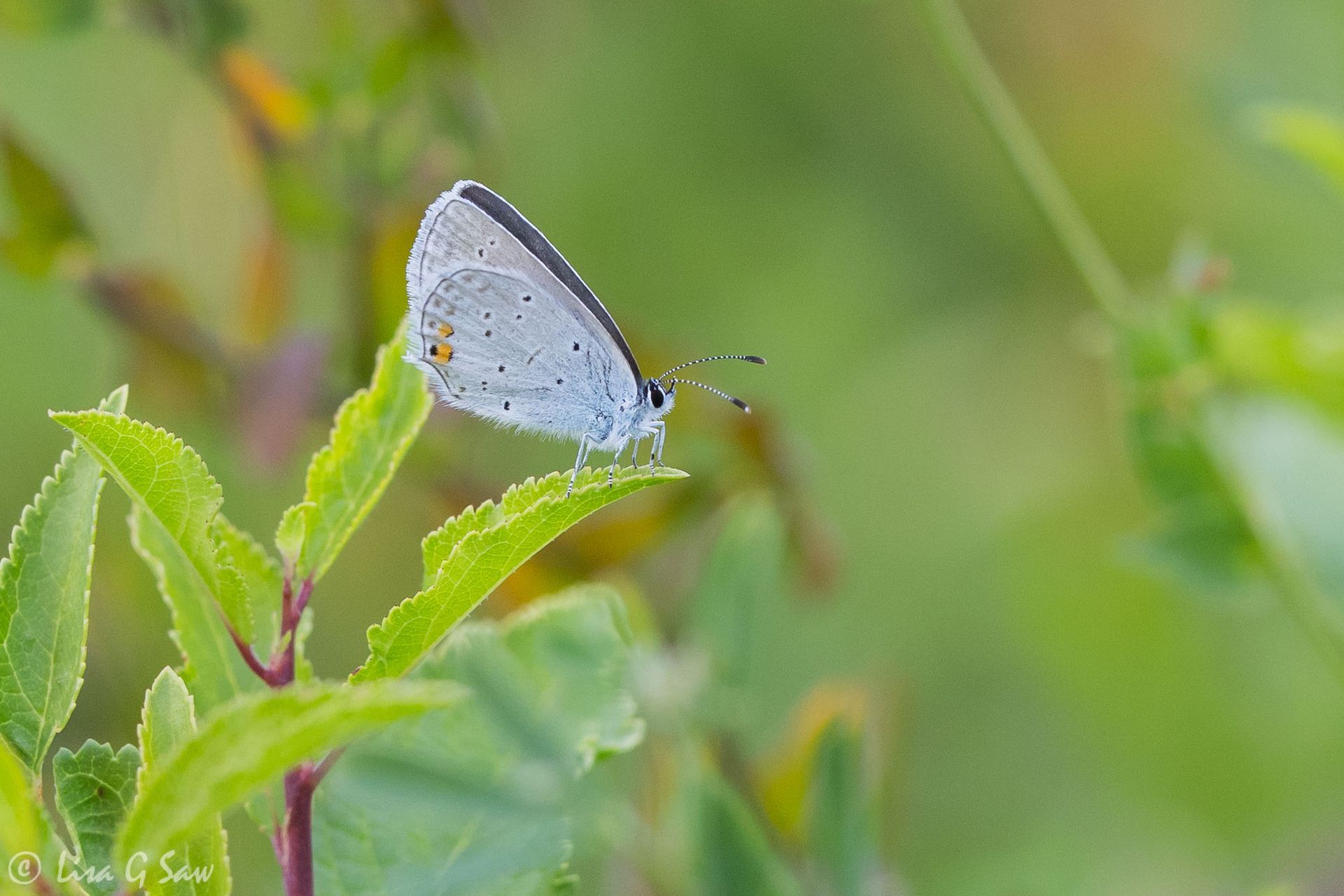
Short-tailed Blue.
There were lots of different species of blue butterfly, many of which were species we'd see back home. We kept checking the underwings of those ones roosting. Eventually, we came up trumps and found this little gem.
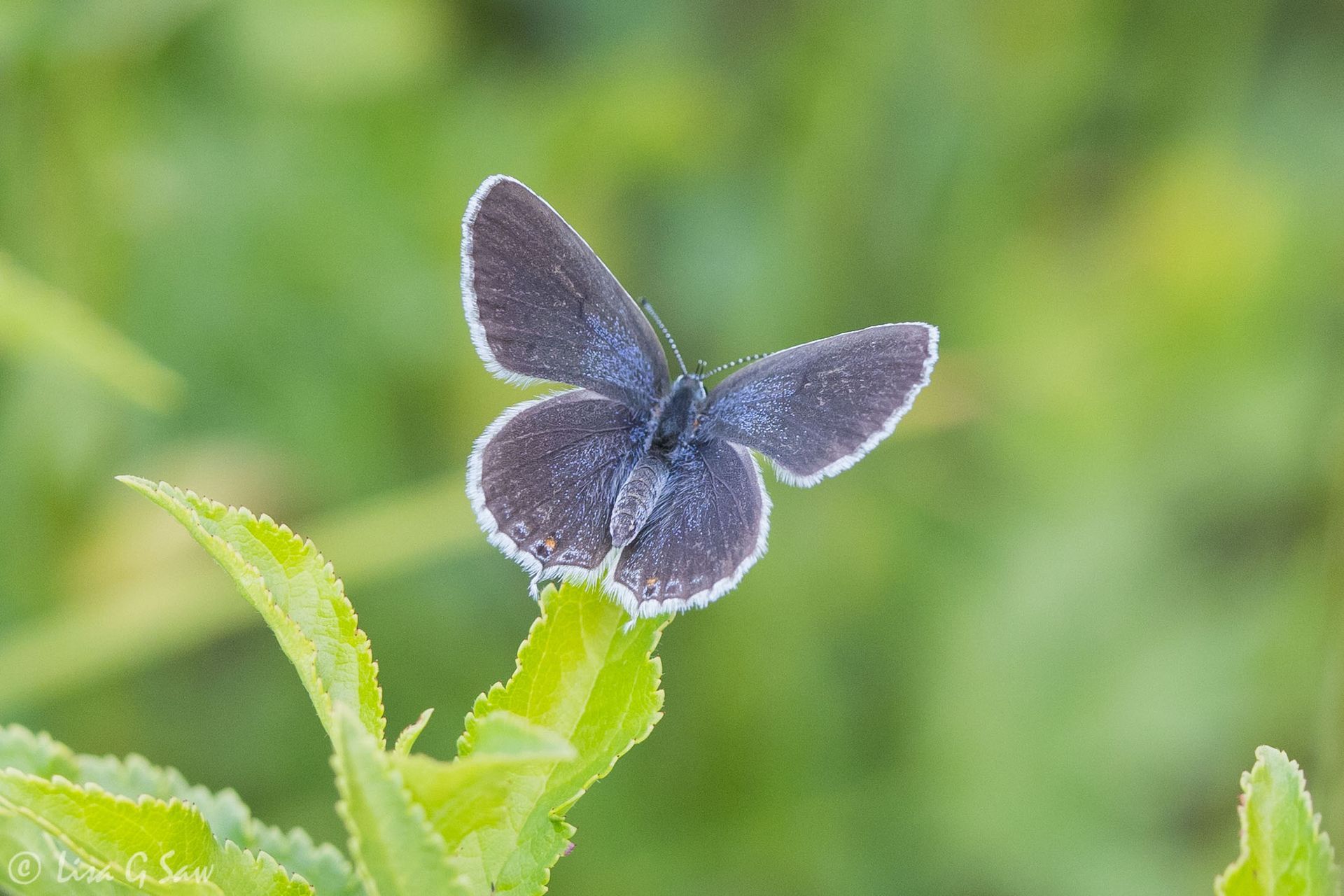
Short-tailed Blue - wings open.
When this one opened up its wings we could see just how fresh looking it was. Beautiful. Notice the tiny little 'tails' at the back of the hindwings, for which its named.
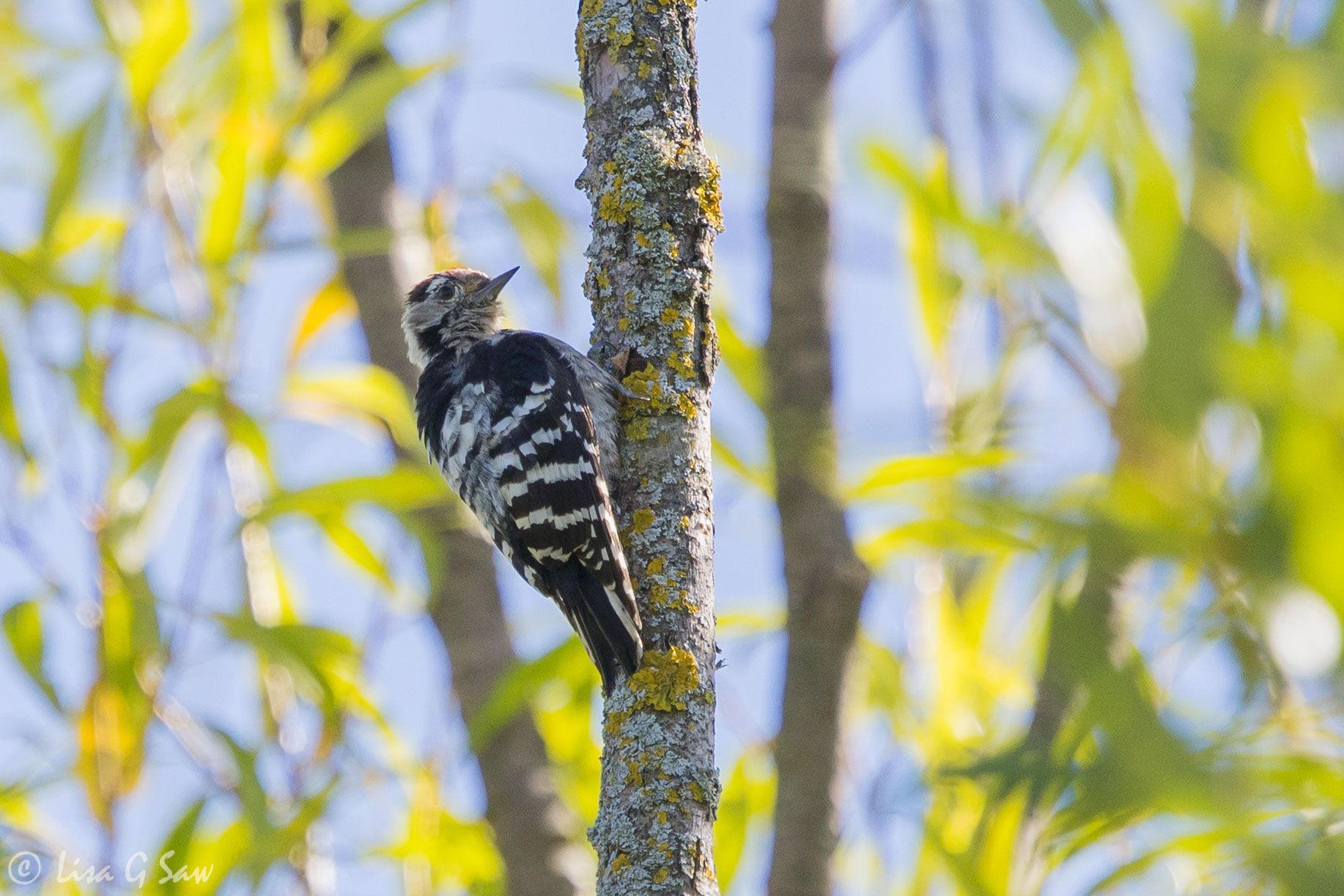
Lesser Spotted Woodpecker.
I've been hoping to see this species of Woodpecker in the UK for a while, so to see my first one whilst we were away was an extra treat. I was able to watch it for quite some time.
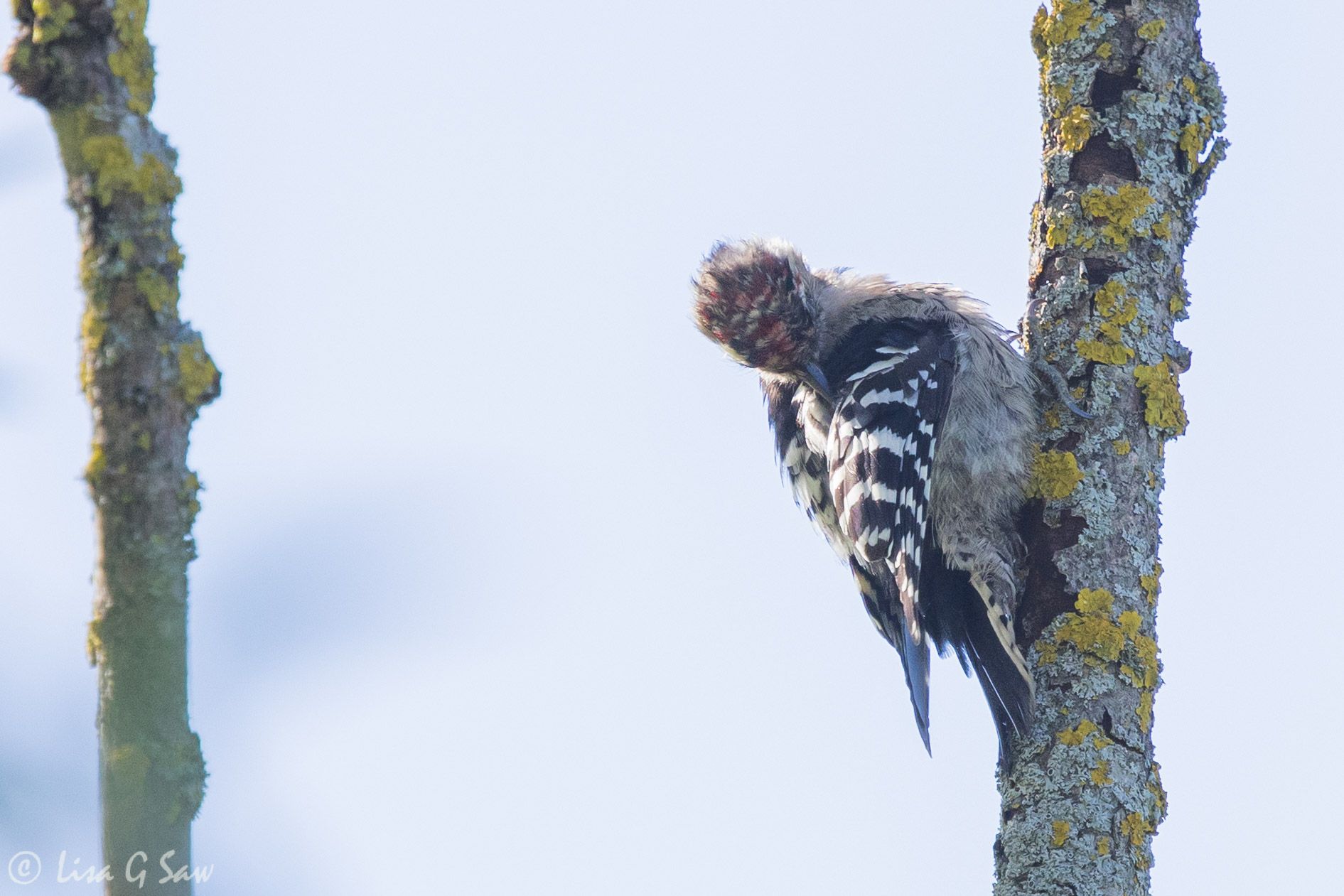
I managed to stand on an elevated big of ground, so I wasn't much lower than where it was perched preening. I think it could be a juvenile, as the area of red feathers on the crown of the head are quite pale.
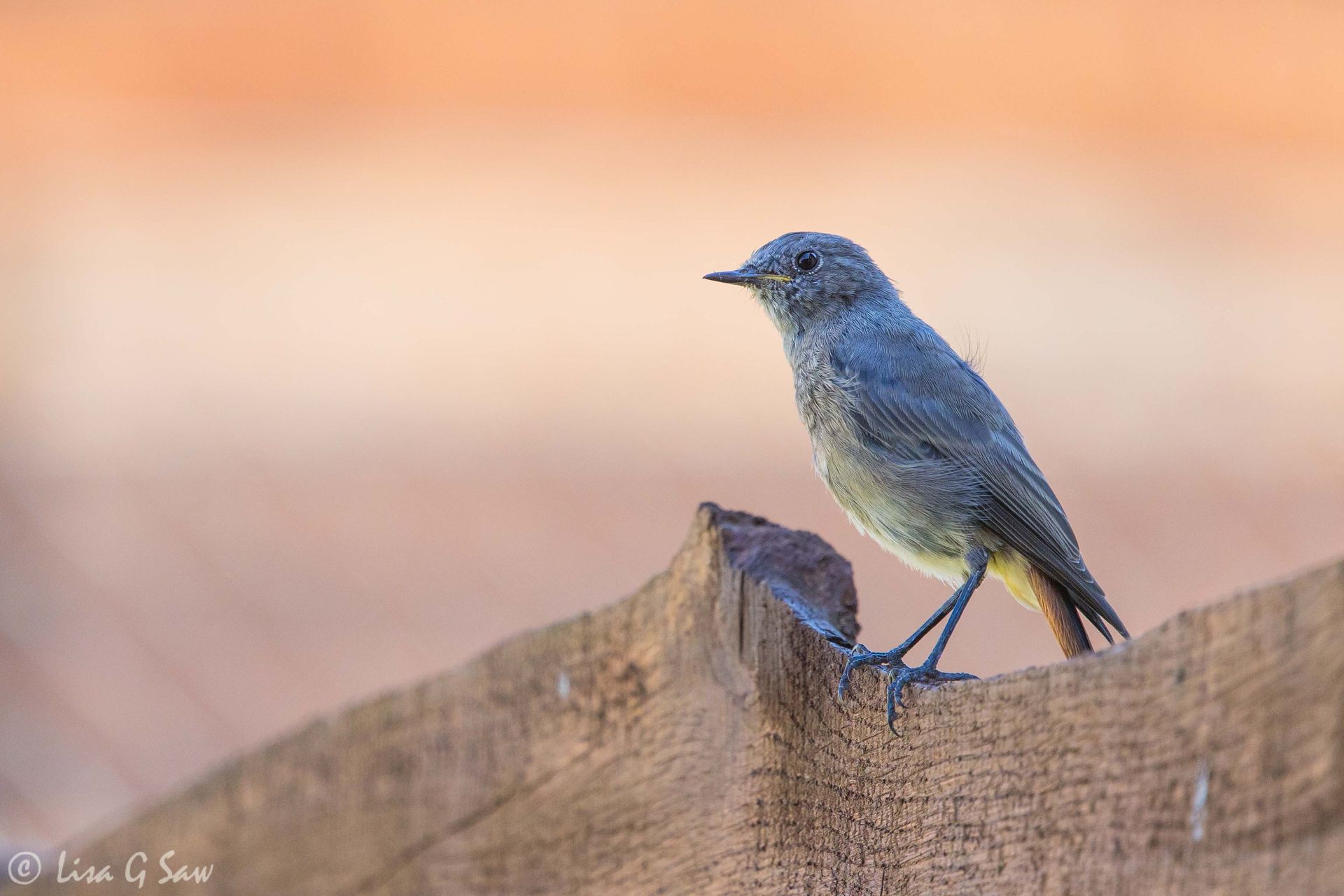
Juvenile Black Redstart.
There was a family of of Black Redstarts staying close to a neighbouring building, so most days we had views of them. Sometimes, a juvenile would come quite close and sit on the fence.
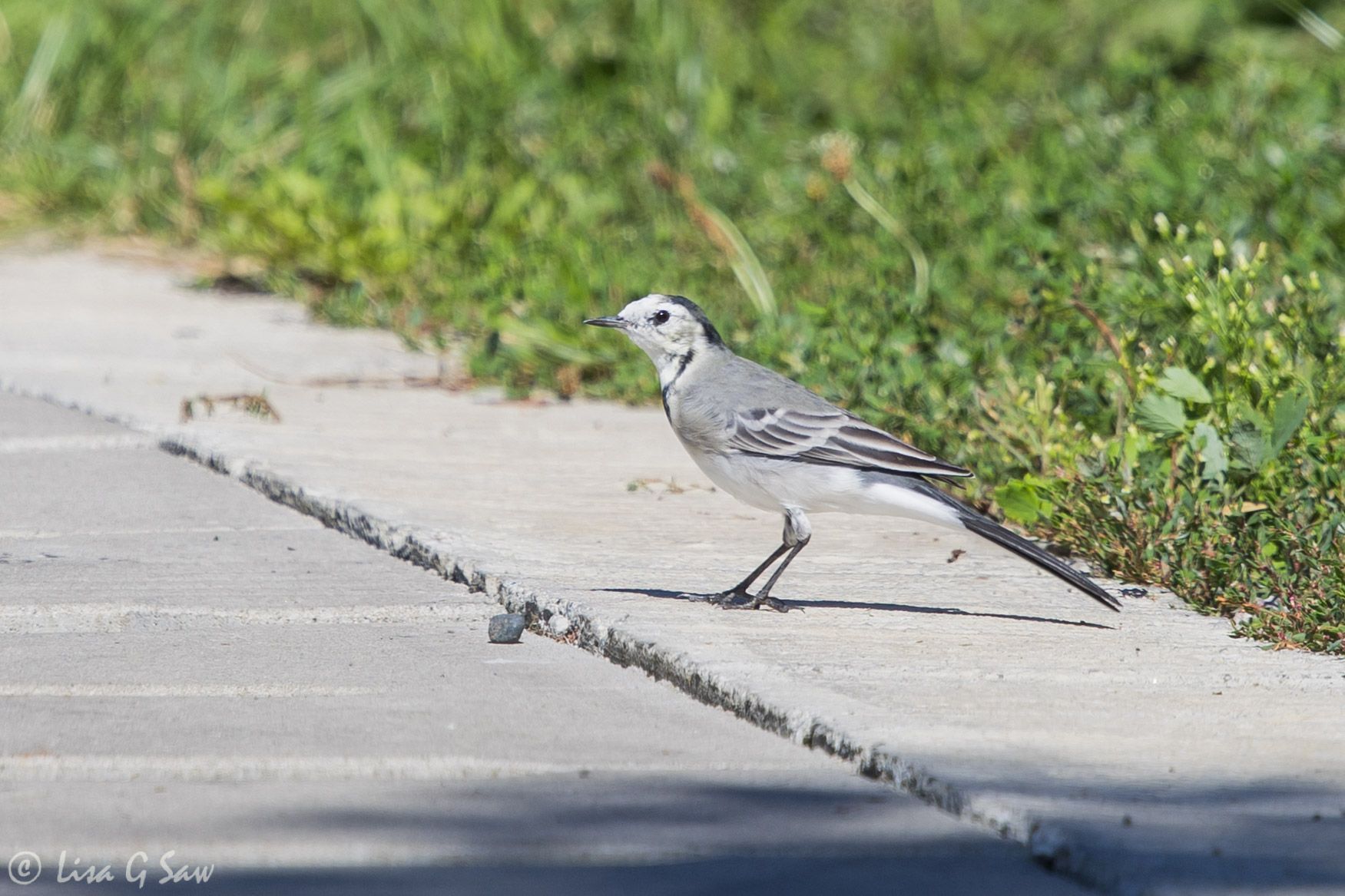
White Wagtail.
This is an elegant bird and not too dissimilar to the Pied Wagtail we have in the UK. I think this may be a female (or juvenile) as the male has a darker bib below the head. The White Wagtail has grey feathers on its back, but the Pied Wagtail is much darker.
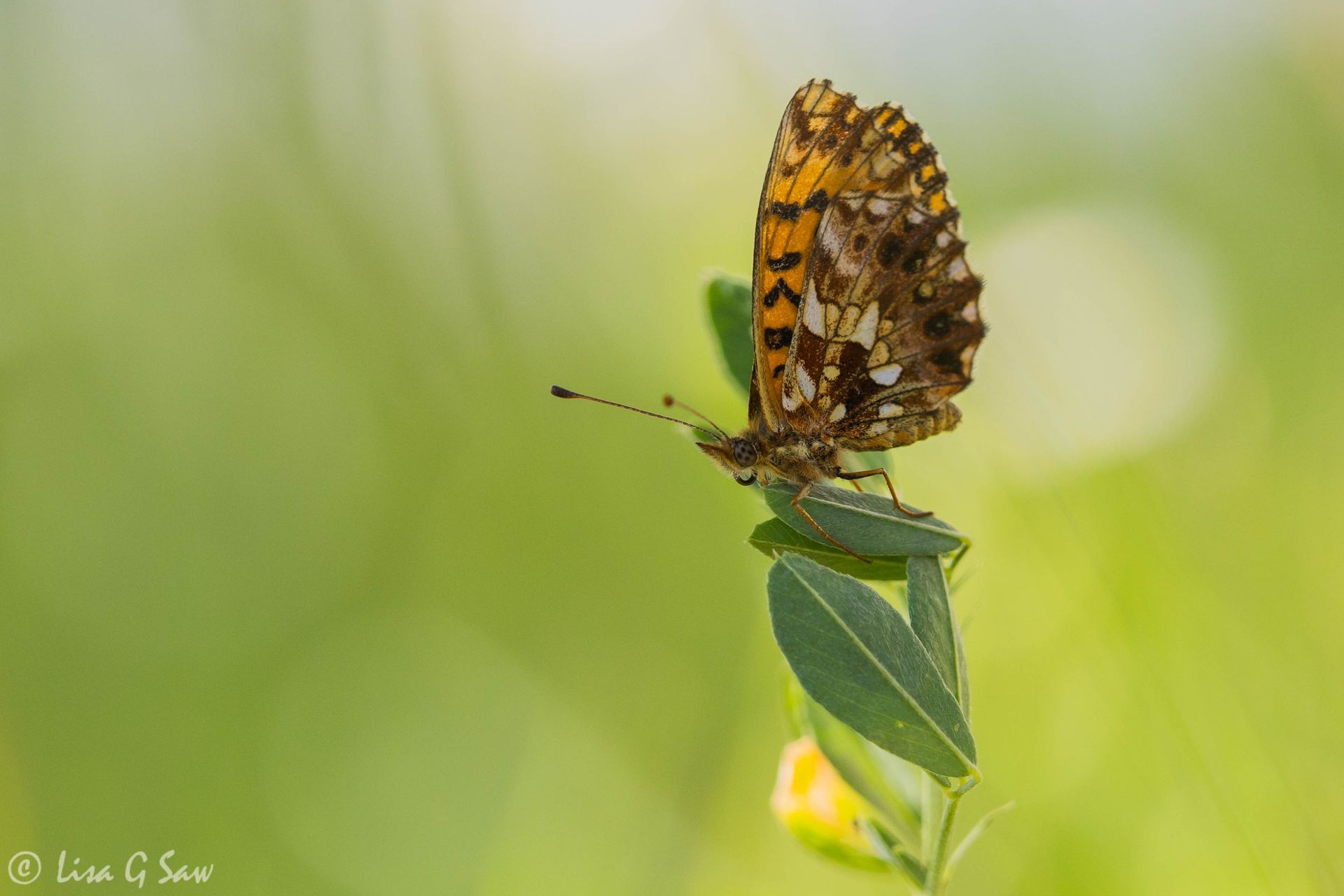
Weaver's Fritillary.
This was the first of three new Fritillary species seen on the trip.
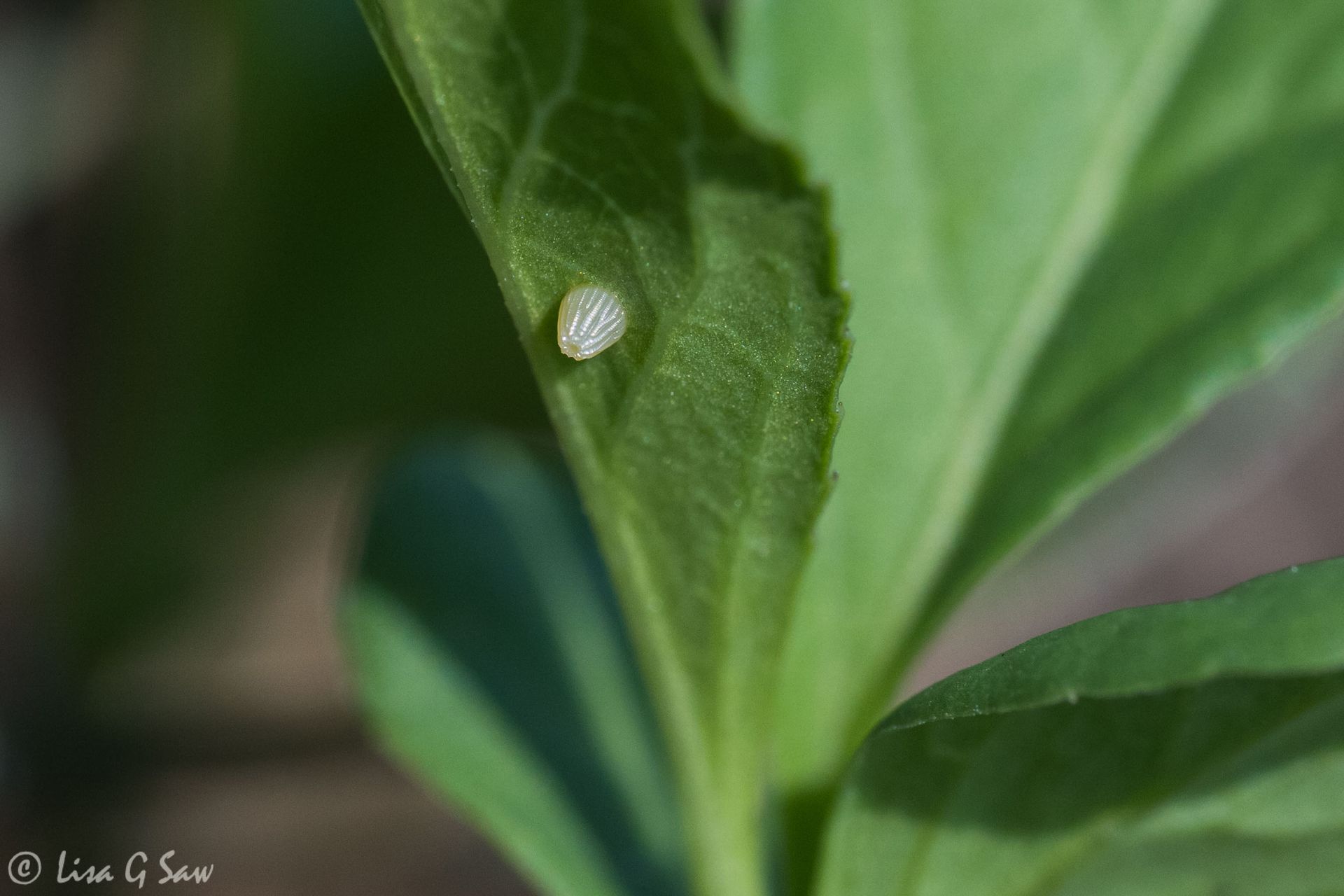
One afternoon we explored the church, where the wedding was to take place, and we found a few Weaver's Fritillary females egg-laying. Thanks to Bob, we were able to photograph one of the eggs.
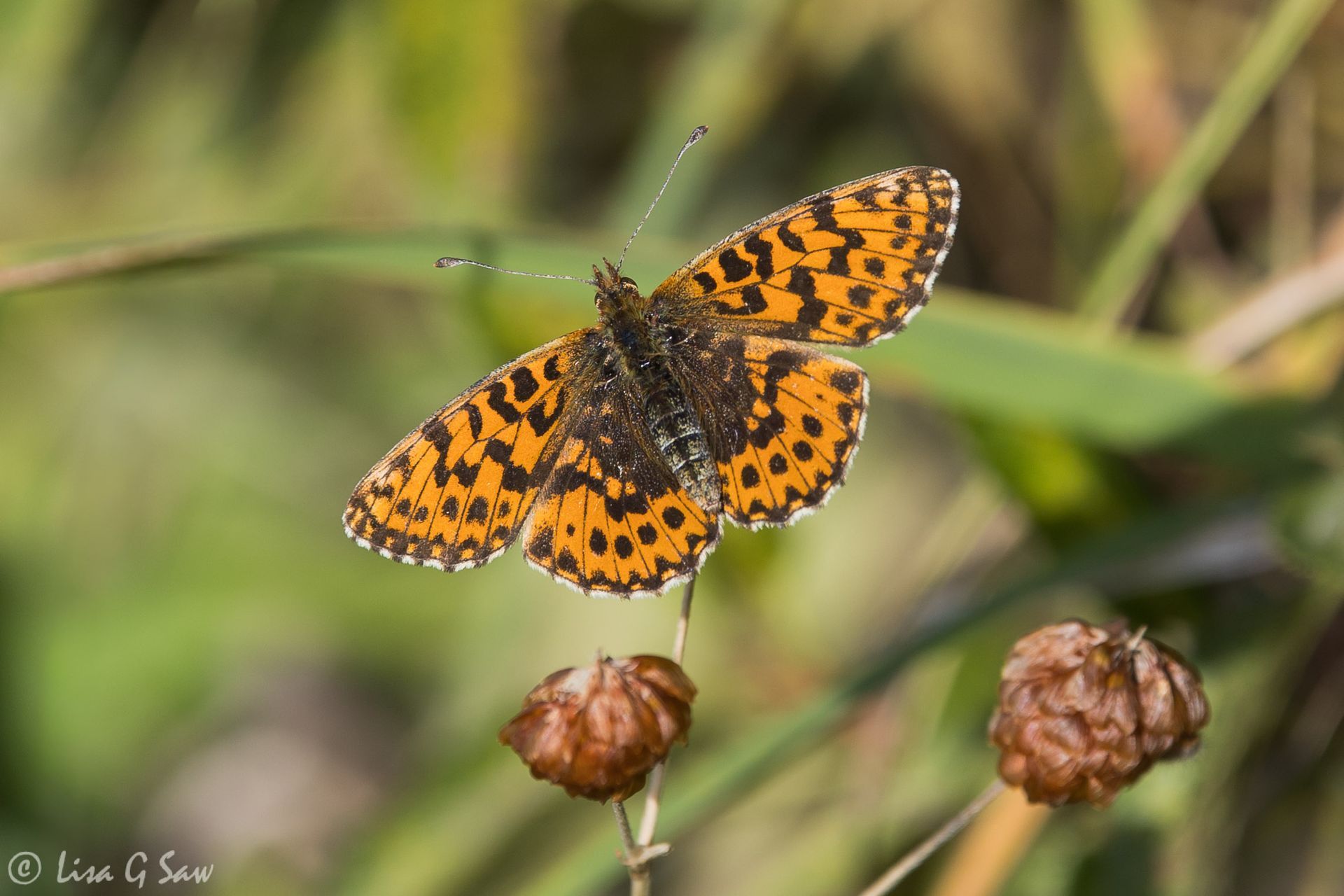
Weaver's Fritillary - open wing view.
Having seen lots of different Fritillaries now, it's getting confusing telling them apart from the ones we see in the UK - more so when in the field! Looking at the photos afterwards, it's much easier. Notice the mix of stripy bands and dark spots on the outer edge of the wings.
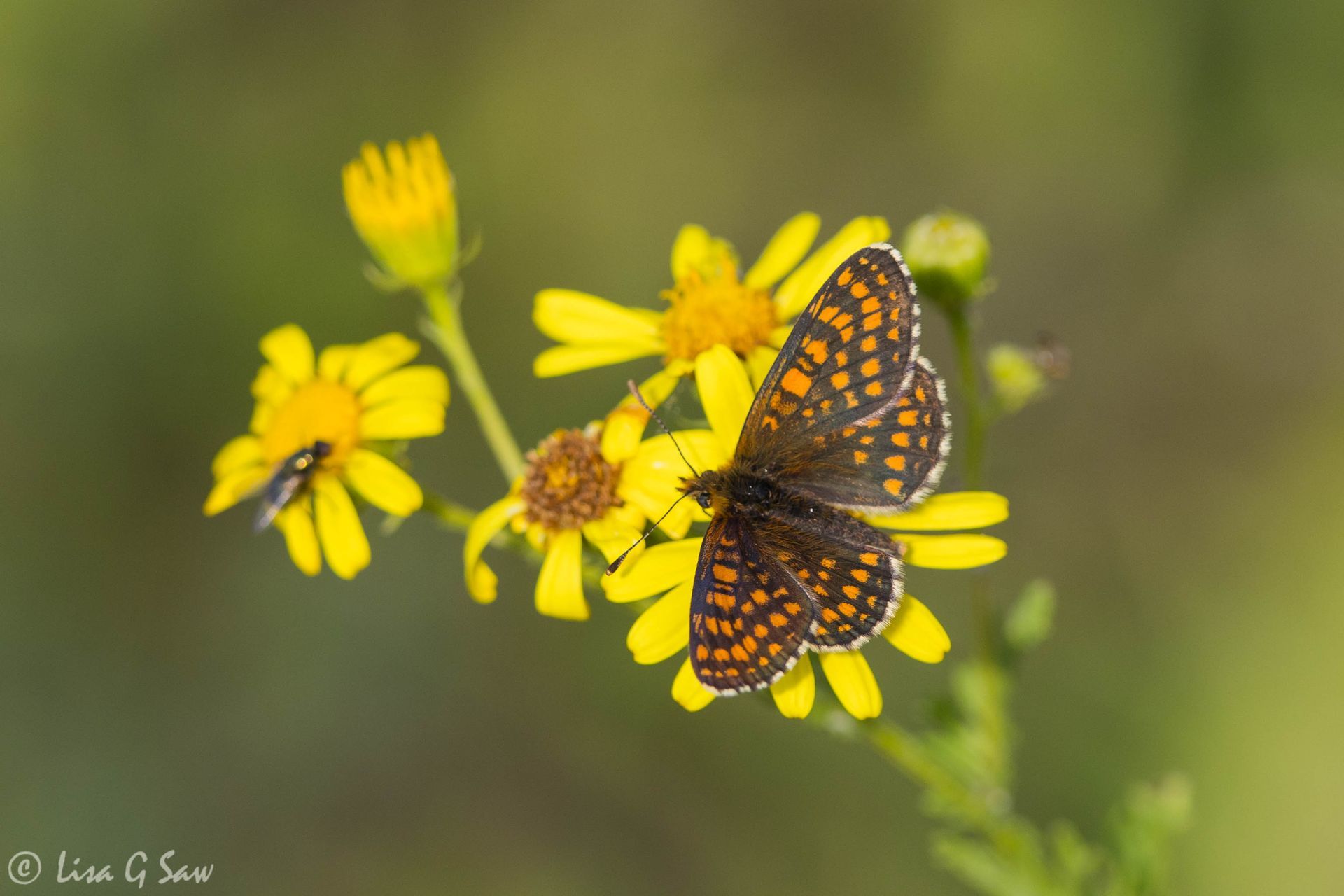
Male Nickerl's Fritillary.
This little beauty was lovely and fresh. It has much more of a lattice look that is reminiscent of the Heath Fritillary, but this is a smaller butterfly.
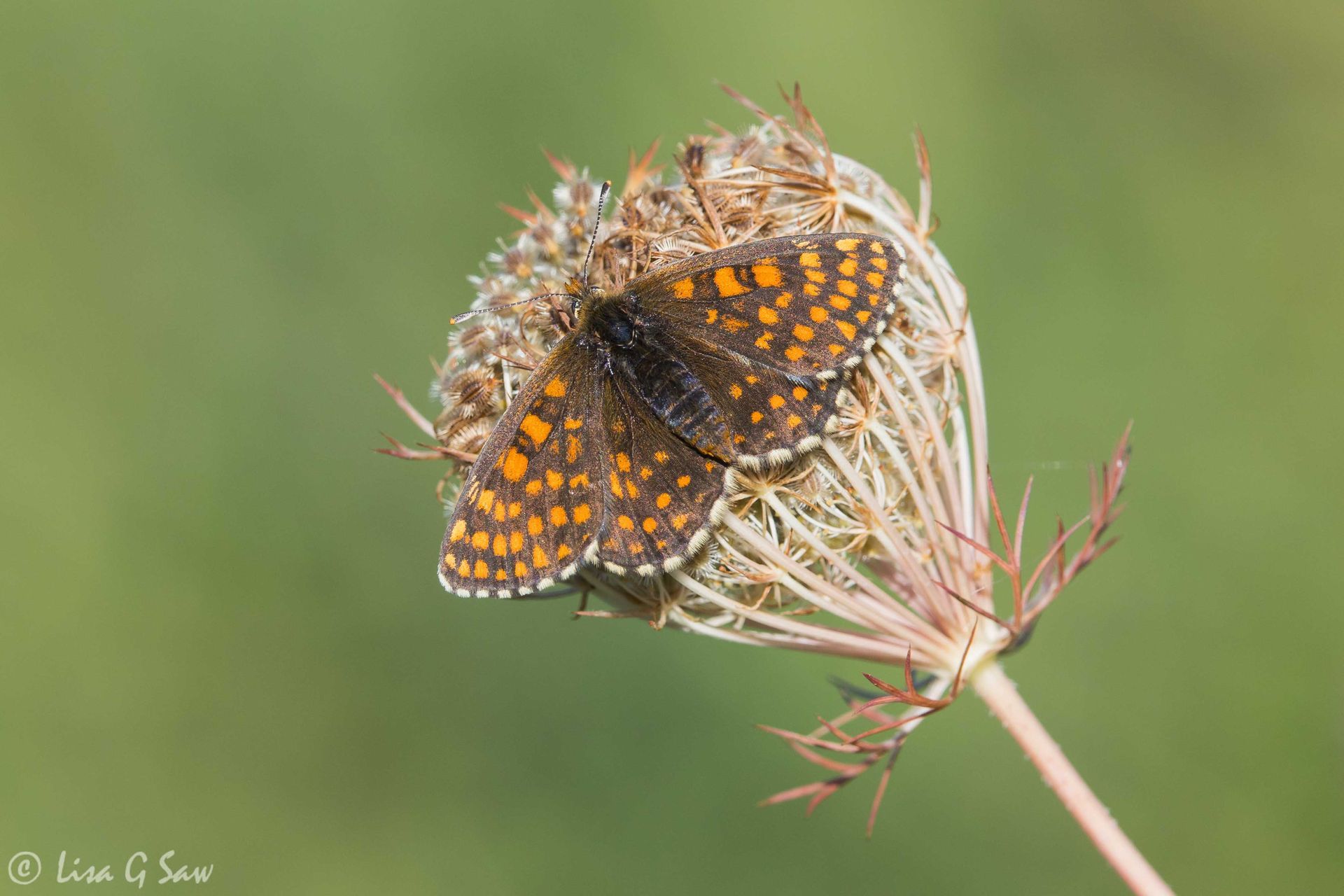
Female Nickerl's Fritillary.
This is a female, which you can tell by the shape and size of the abdomen, compared to the longer and more slender abdomen of the male, seen in the previous photo.
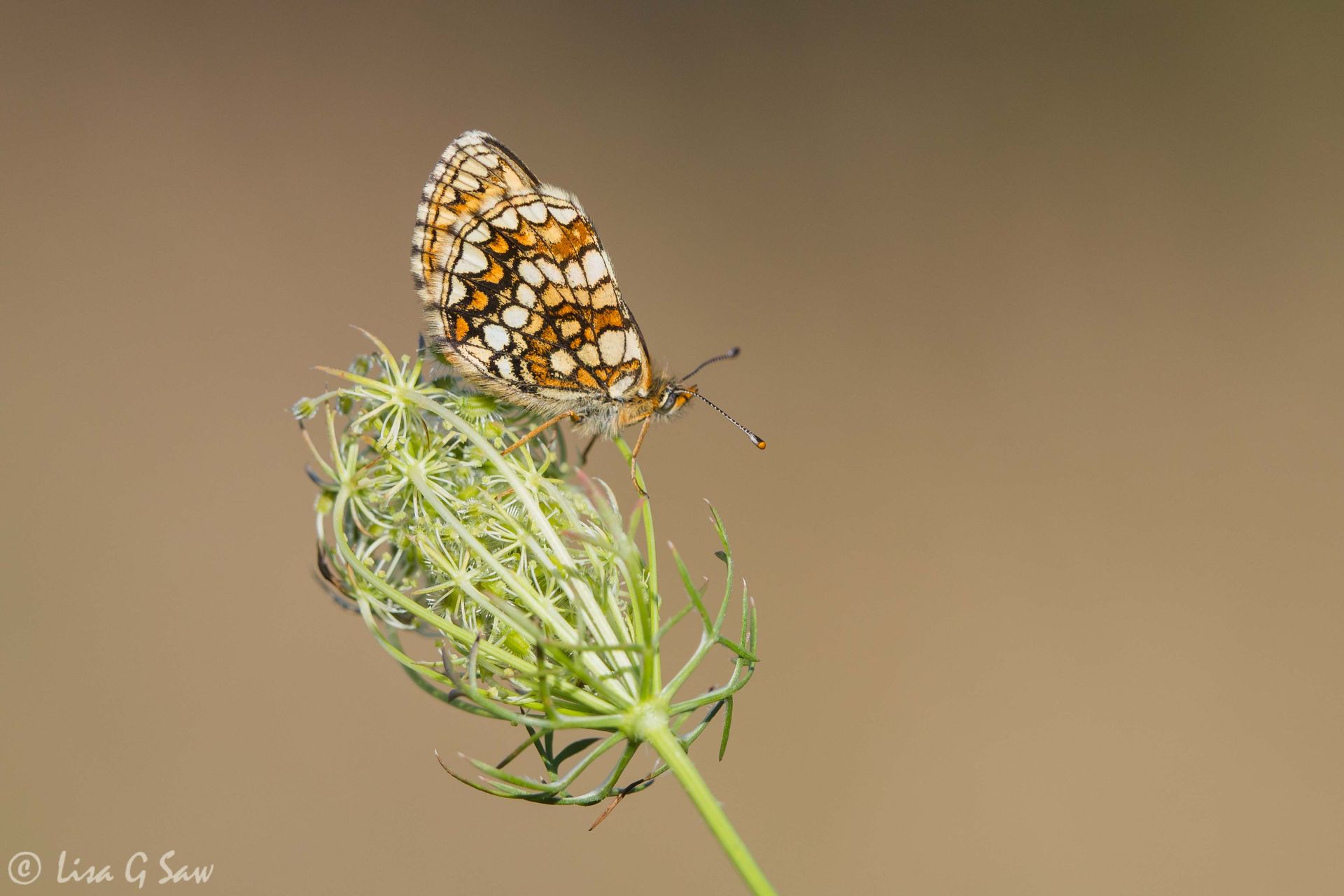
Nickerl's Fritillary.
Even the underside of this species is fairly similar to the Heath Fritillary.
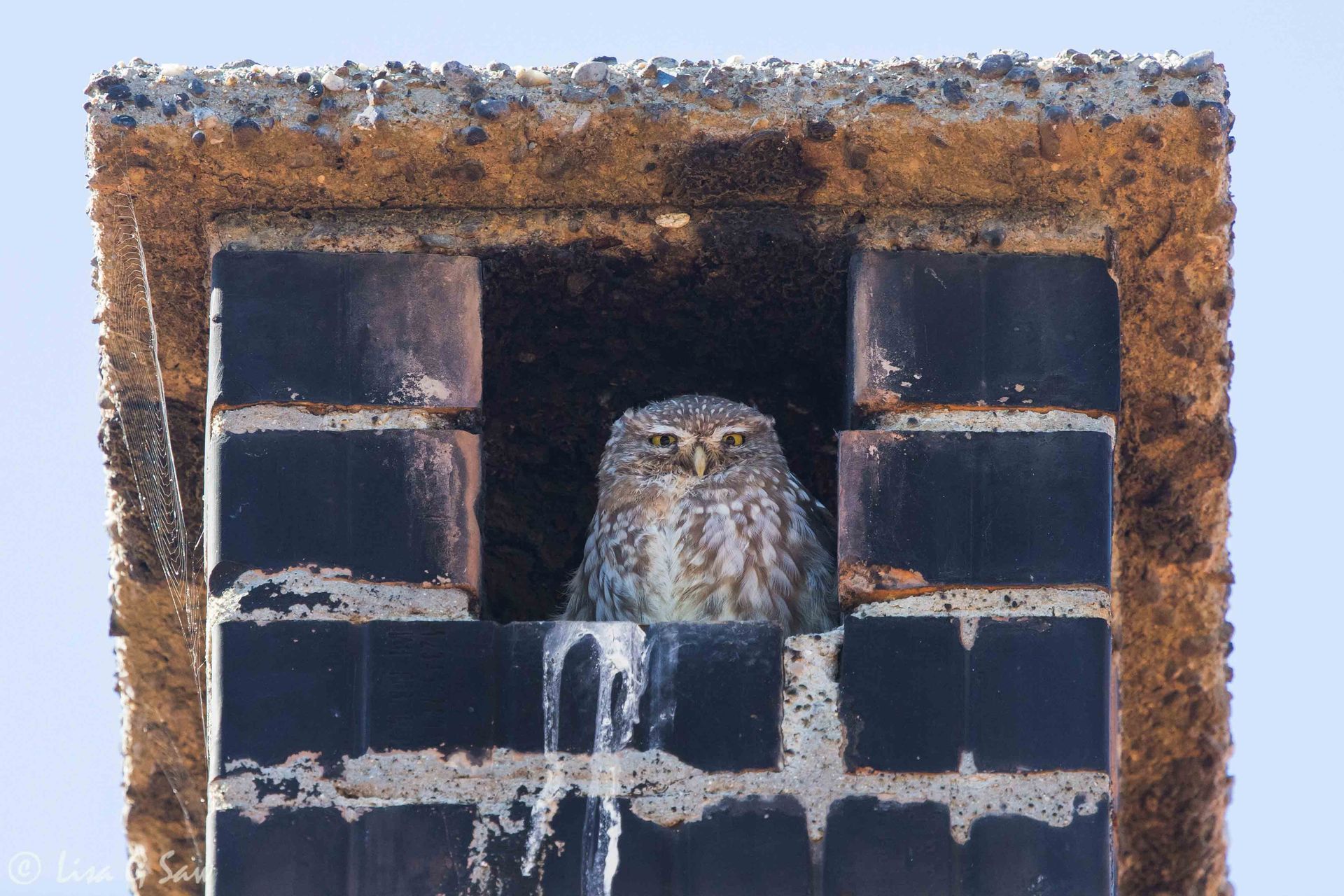
Little Owl.
On our last day, we realised we were being watched! The Little Owl was sitting in a chimney that overlooked our accommodation.
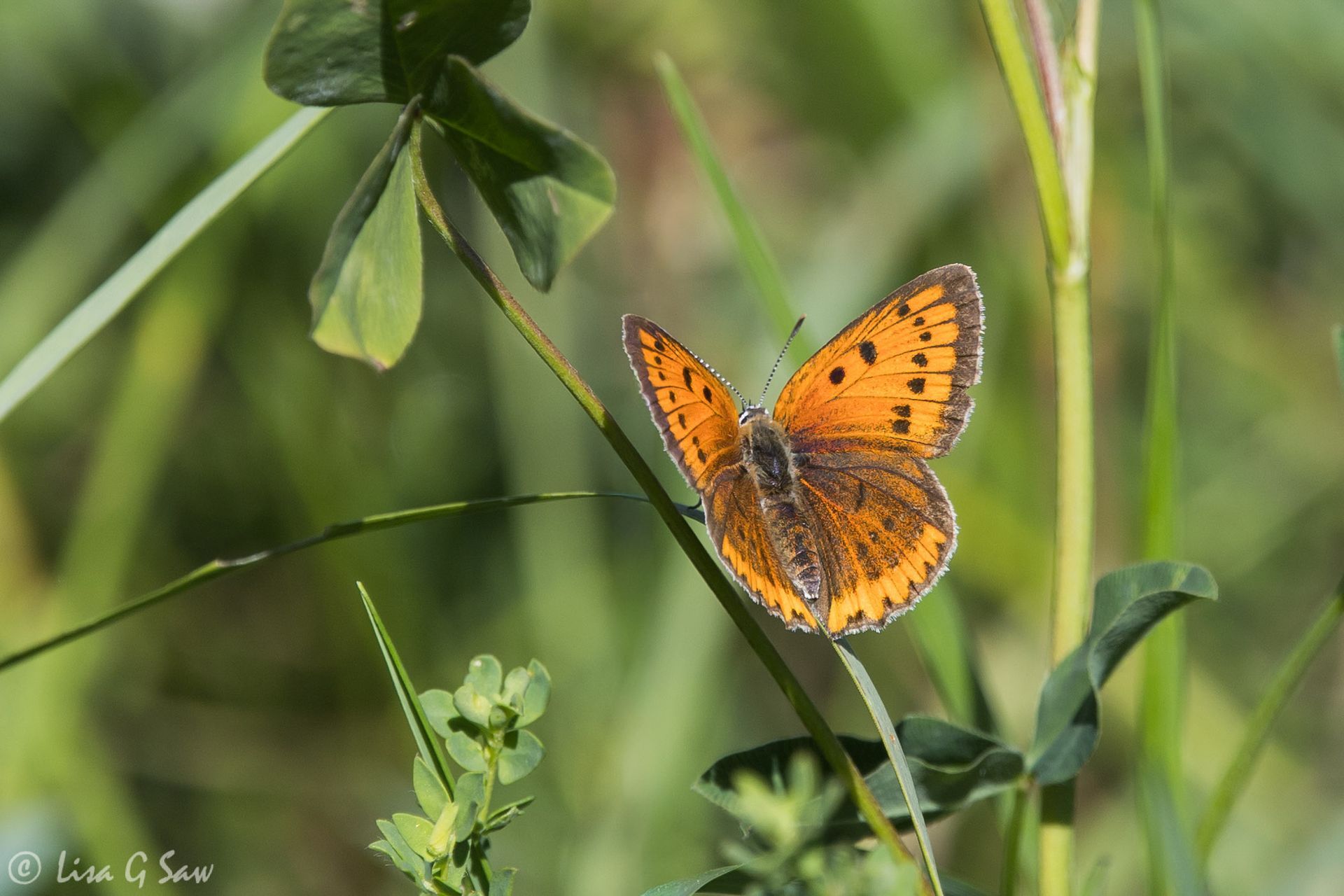
Female Large Copper.
All weekend Bob had been mentioning how he was really hoping to see a Large Copper. Finally, I spotted one - a female - sitting on some grass. Its colour is very distinct and hard to miss.
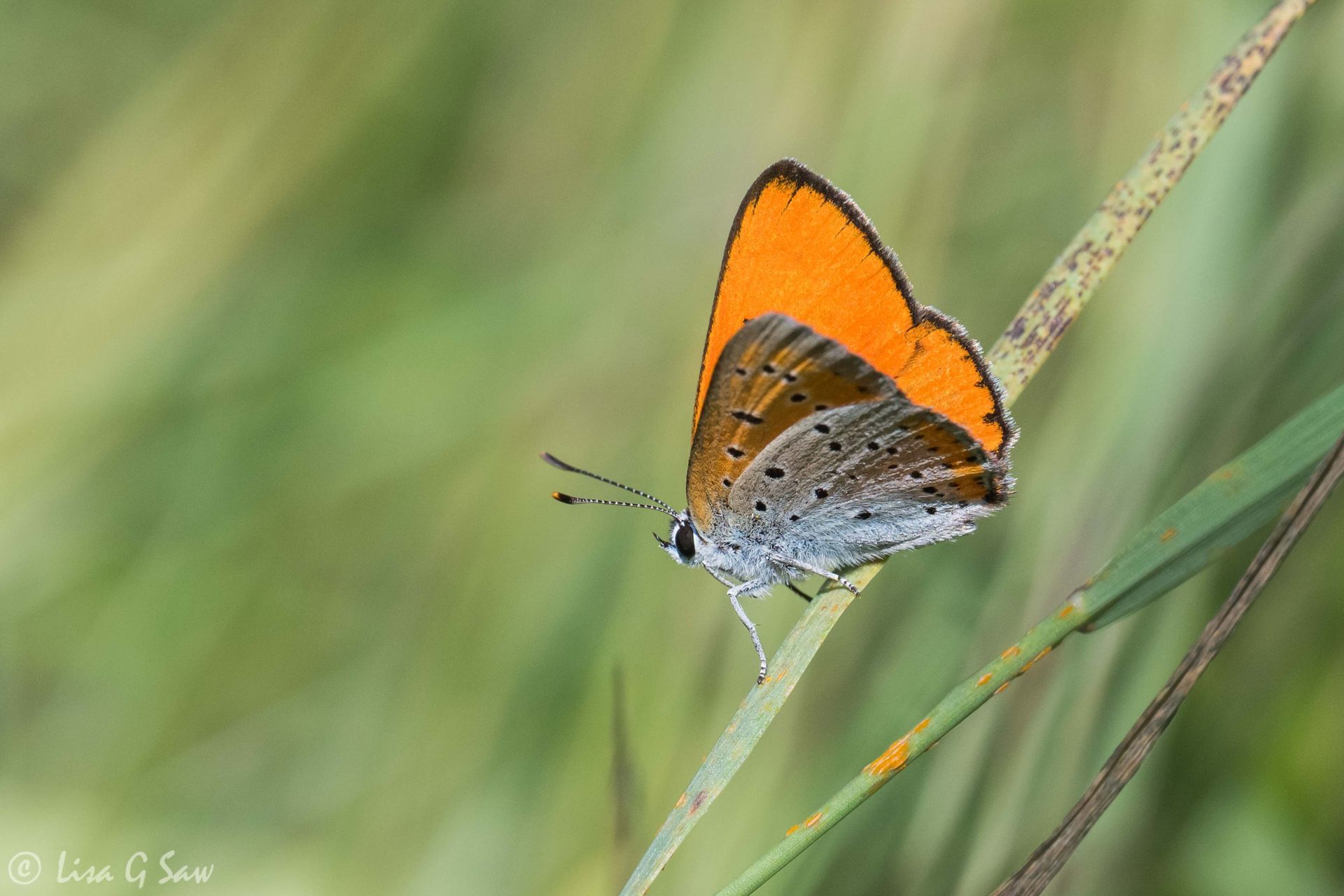
Male Large Copper.
Later in the day, we returned to the same spot where we'd seen the female and this time we were treated to wonderful views of a male.
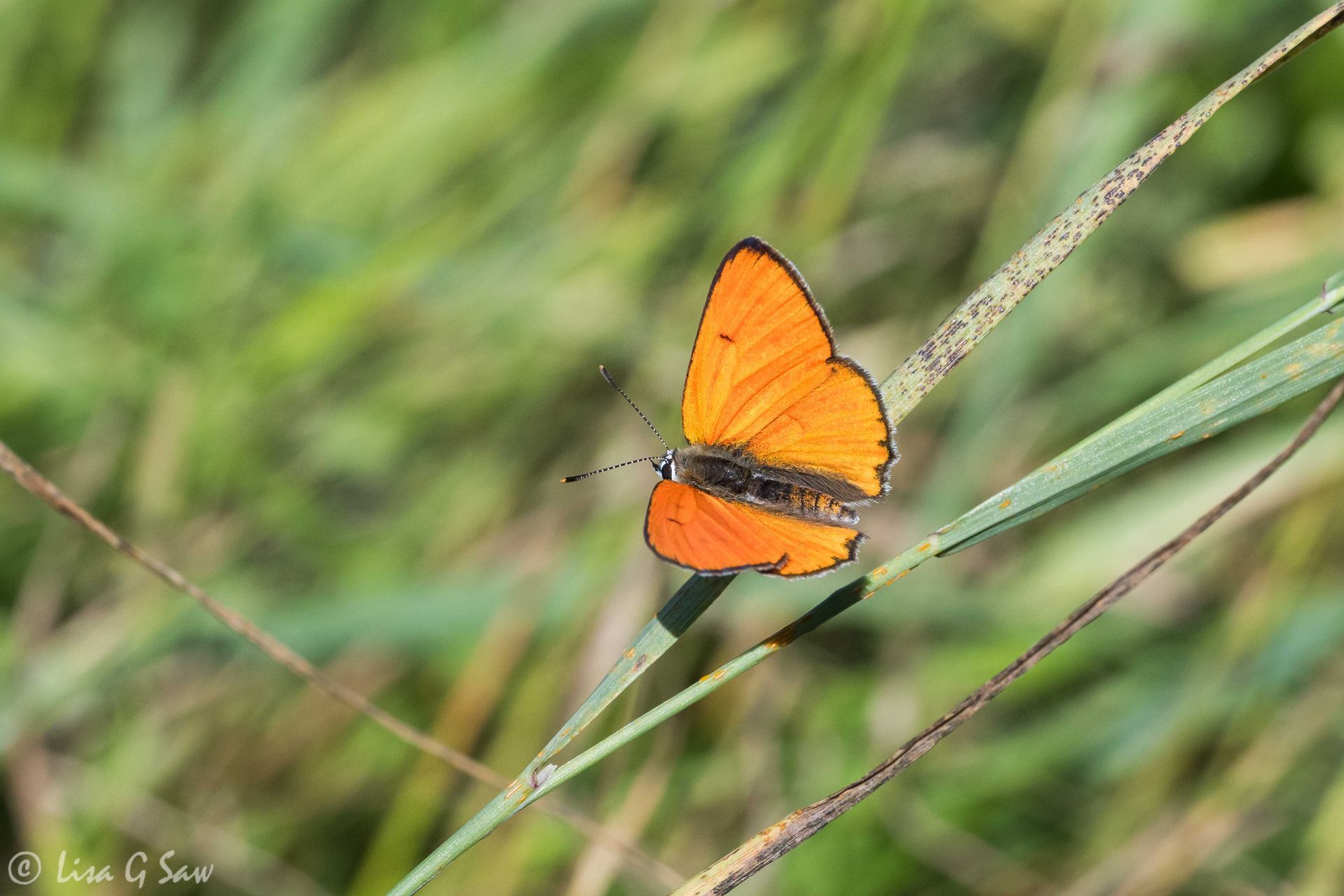
The male lacks the markings on the upperwing of the female, making it stand out even more. Stunning! What an end to the trip. We can't wait to return earlier in the year, when there'll be more species on the wing.