YORKSHIRE
2026
The Yorkshire coast is a wonderful place to visit in the spring and summer because of the mass of seabirds that breed on the cliffs that tower over the sea. I was eager to return to Bempton Cliffs, and since Bob had never been before, it made for a wonderful getaway for his birthday treat.
Yorkshire blog coming soon...
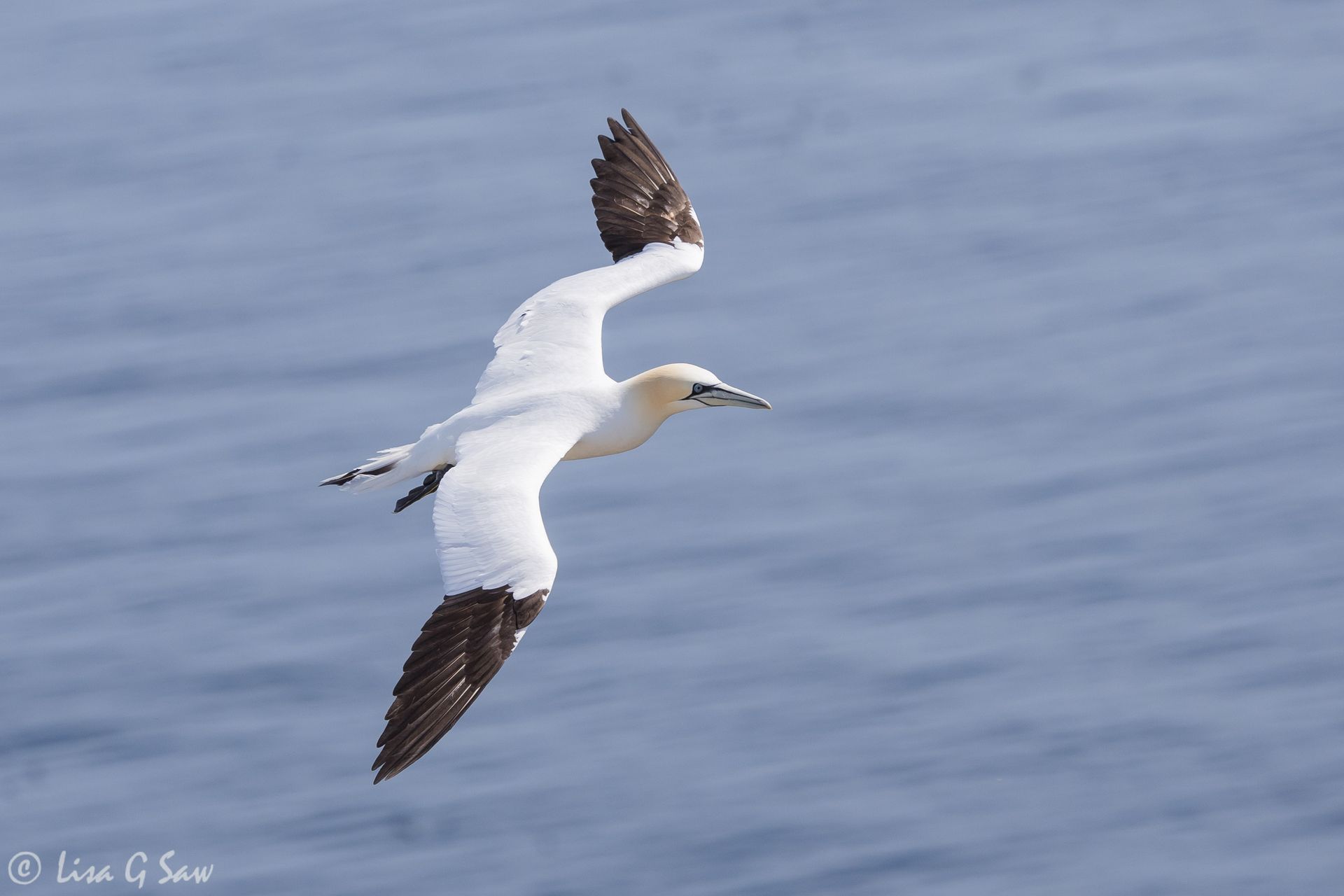
After the devastating impact of Bird Flu last year on the Northern Gannet colony at Bempton Cliffs, it was good to see them in good number this year.
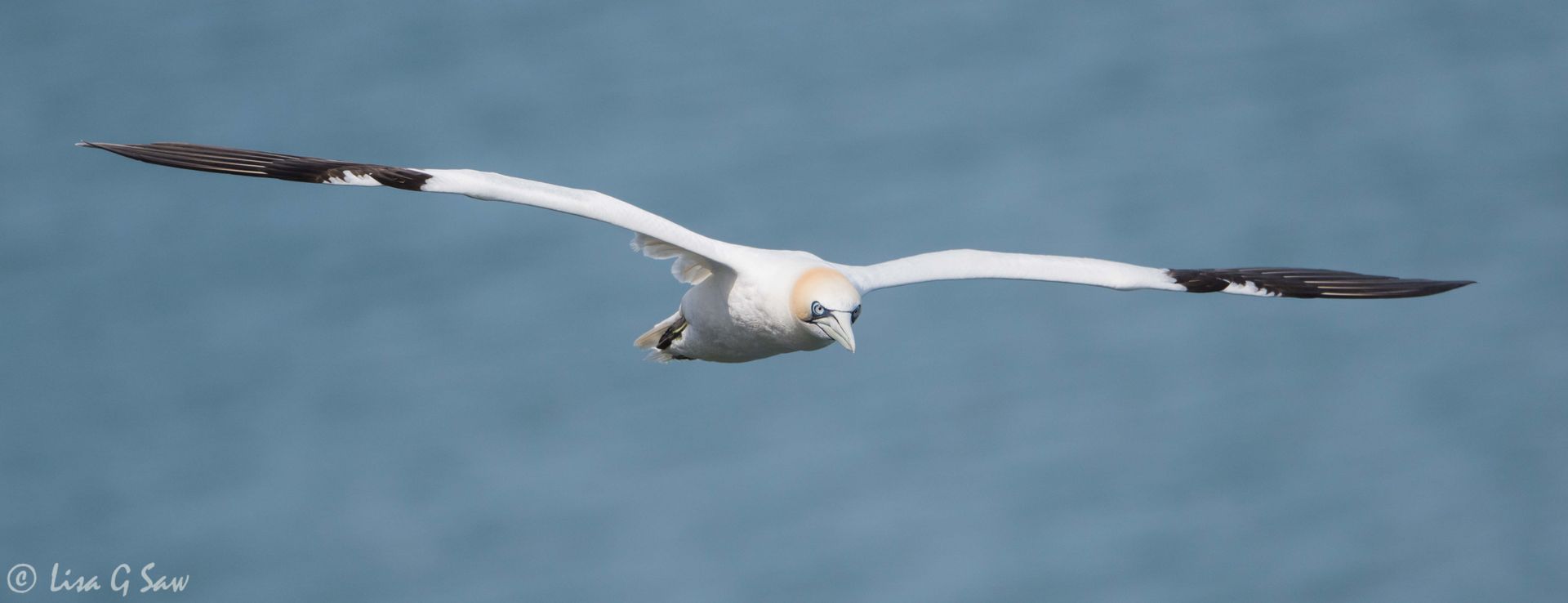
They have an impressive wingspan of 165-200cm.
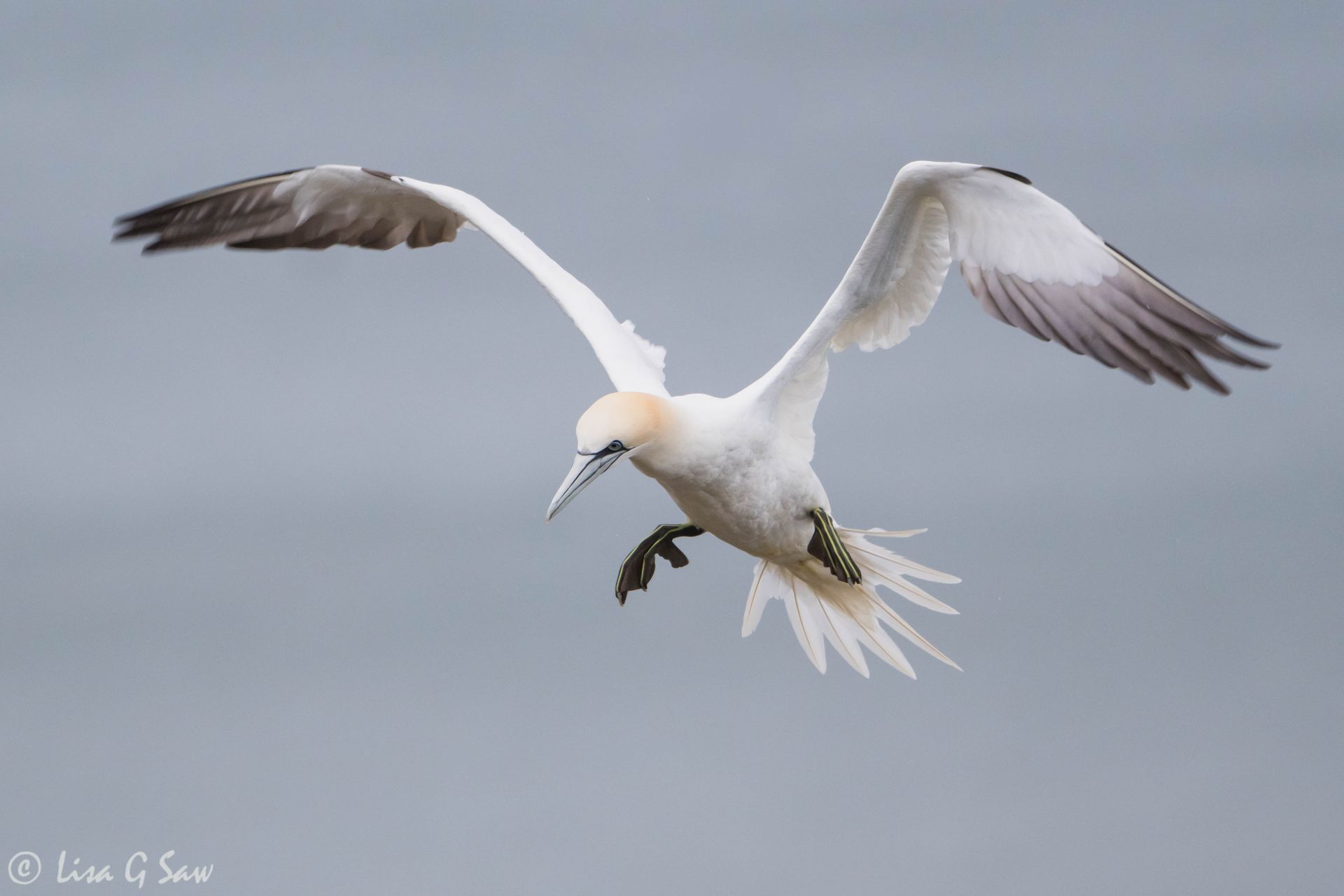
I love how the tail splays outward when they come in to land.
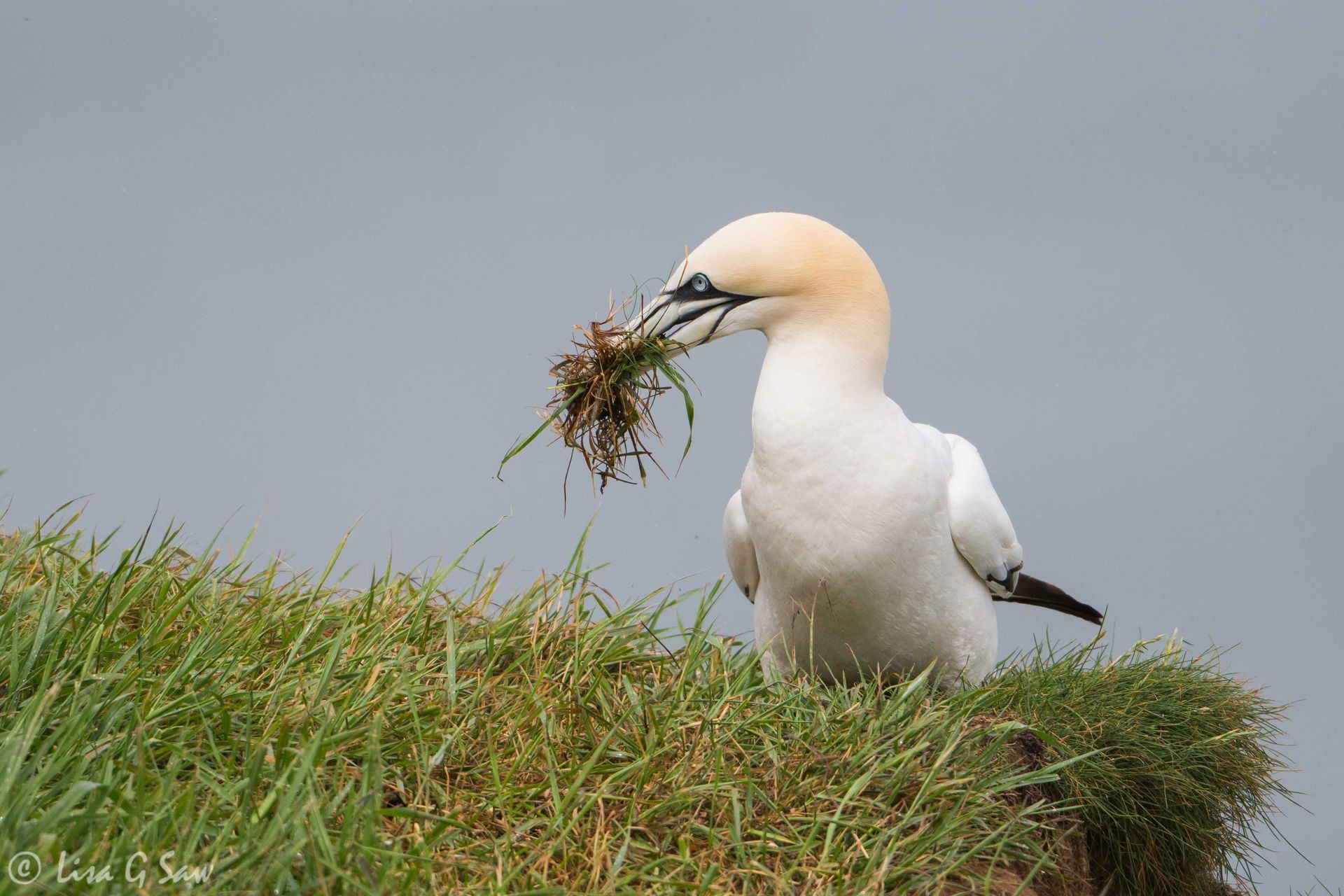
There were a lot of gannets gathering nesting material from the top of the cliffs.
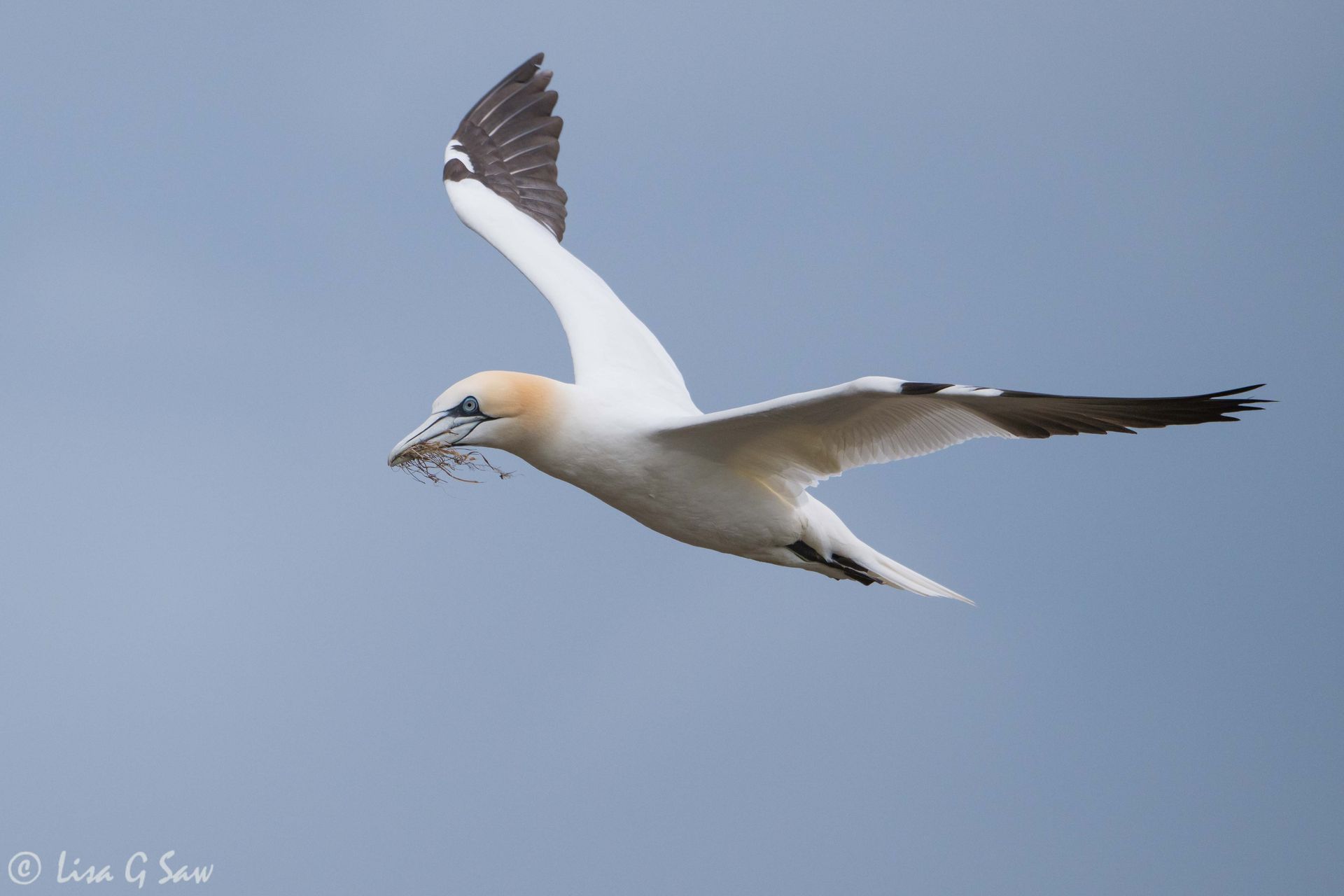
Flying back to the nest with the grass in its beak.
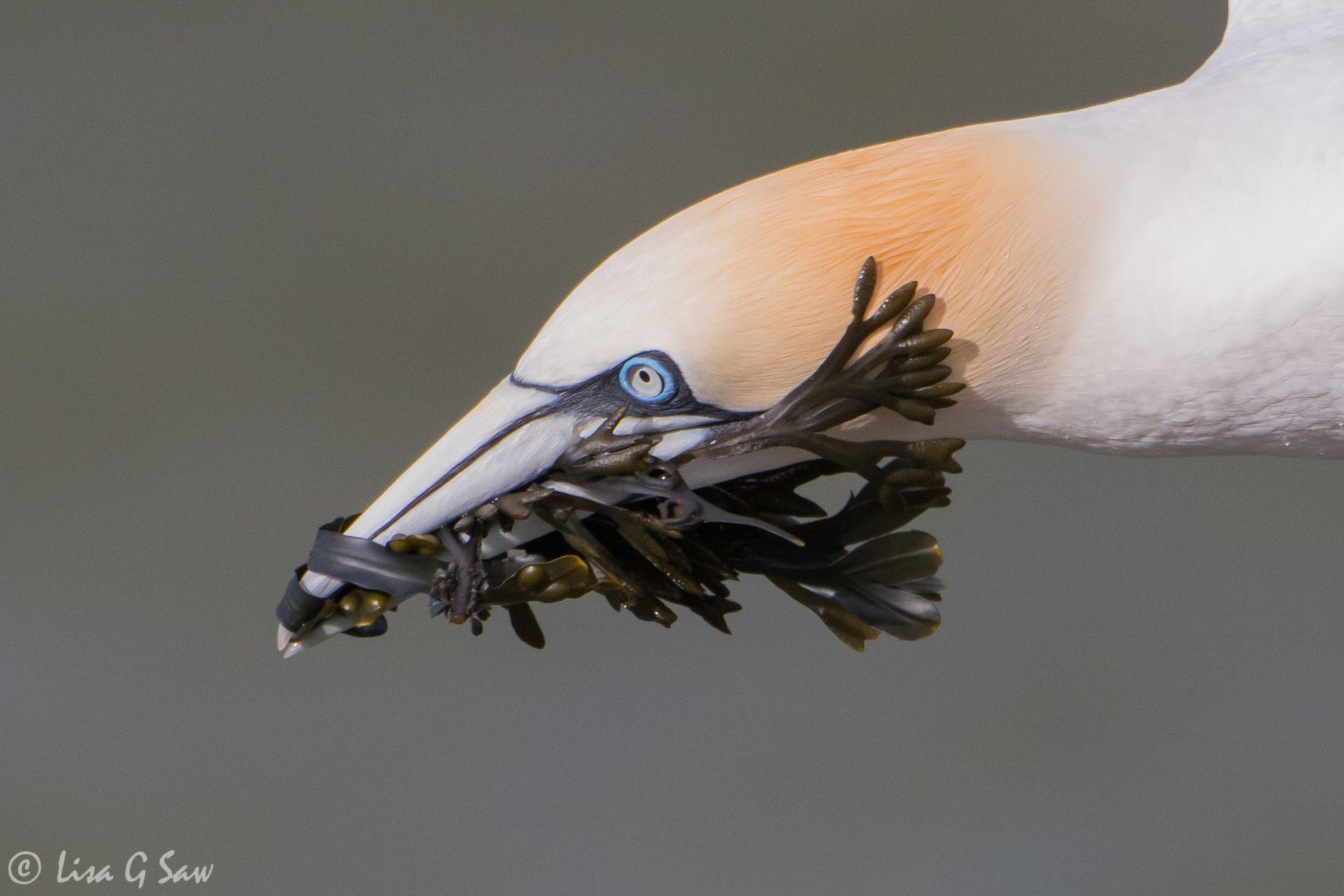
Seaweed was also collected for nest building.
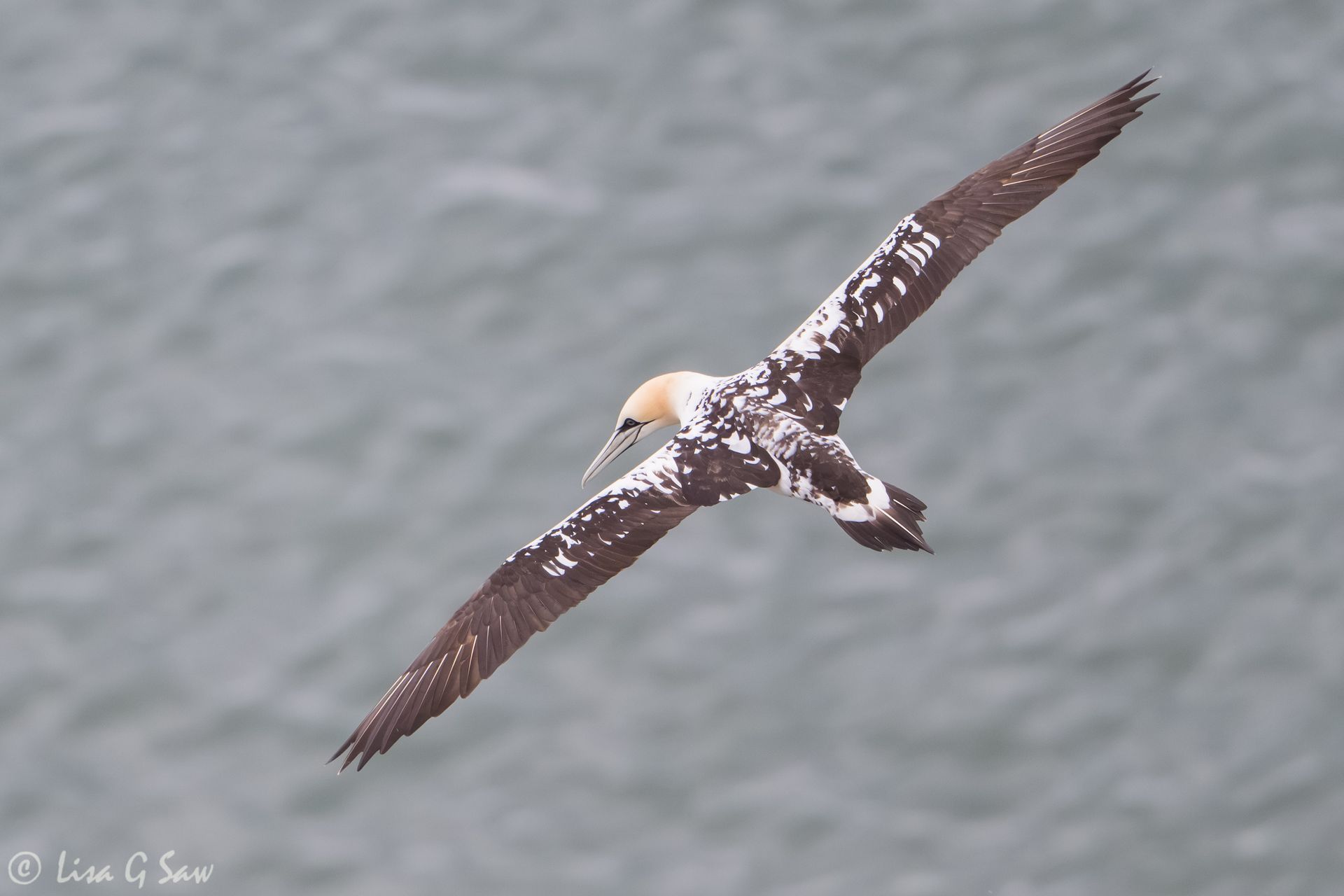
A juvenile gannet that is probably three years old. They remain mostly black all over in the first two years of their life. They don't reach full maturity until five years of age.
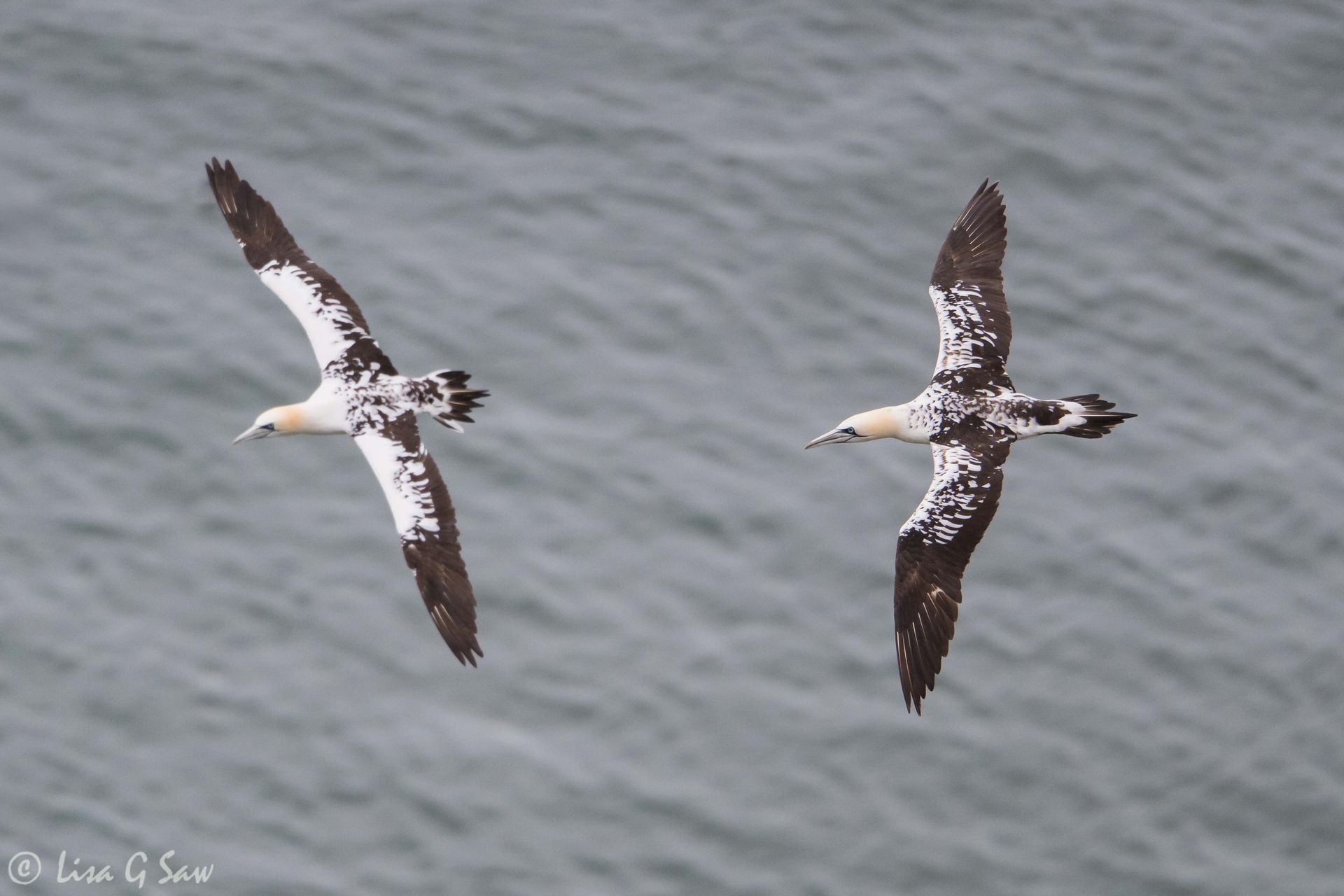
Two juvenile gannets flying. The one on the left is probably four years old, with more pronounced white along the leading edge of the wings. At this stage, their wings resemble piano keys.
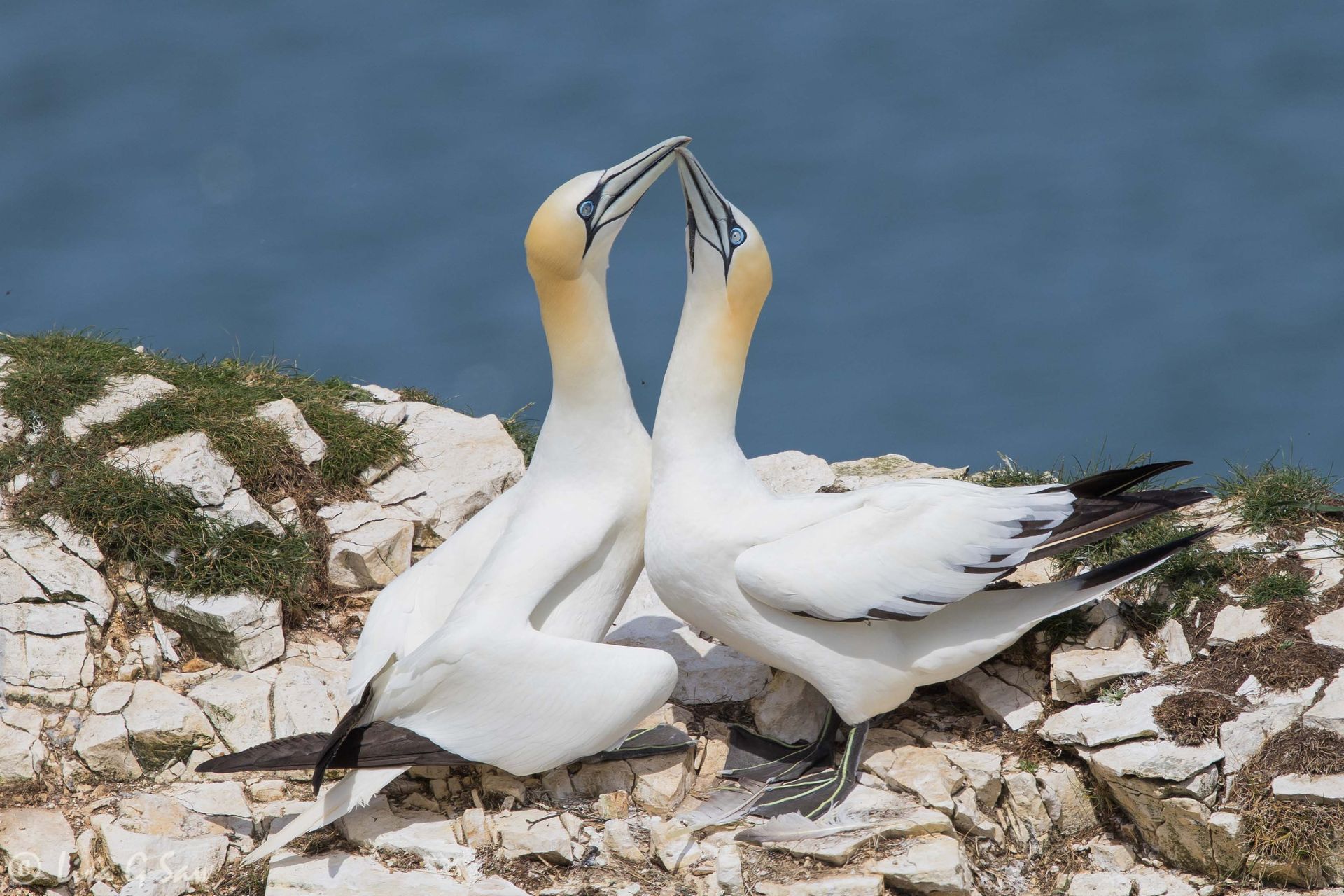
Two gannets pair bonding.
It's lovely to watch the pair bonding behaviour.
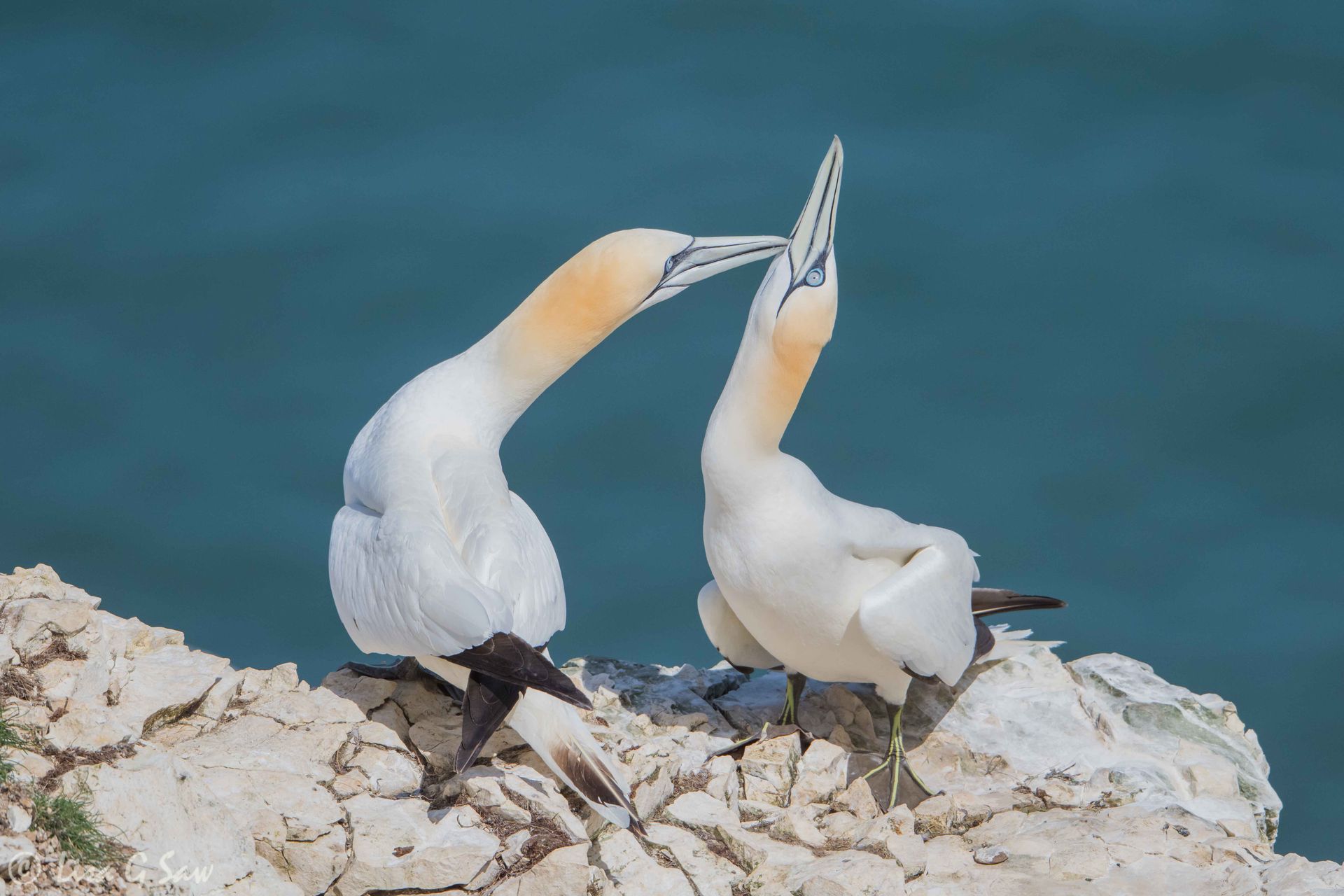
Pair bonding can often include preening and scratching each other.
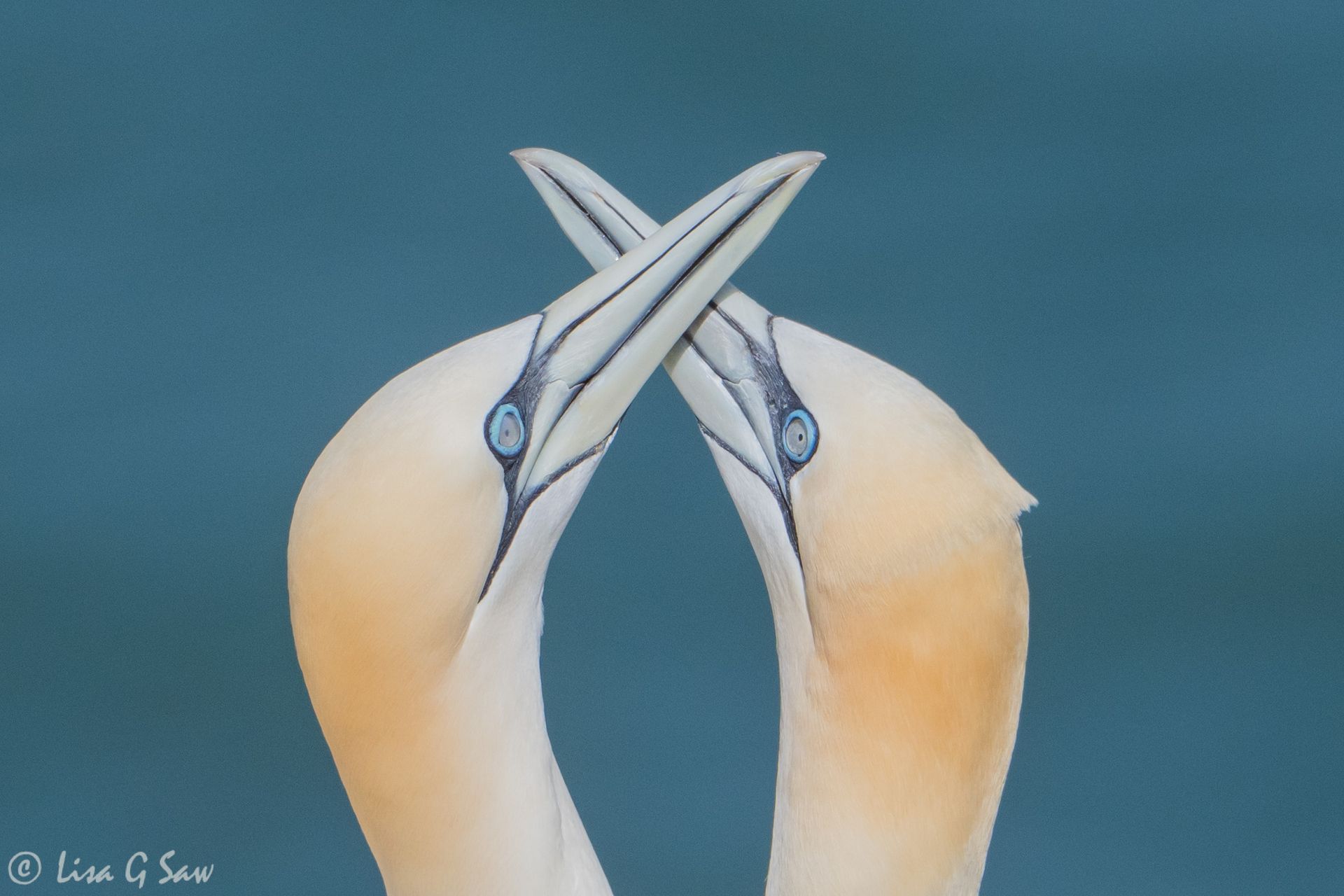
There is something very special witnessing their pair bonding ritual.
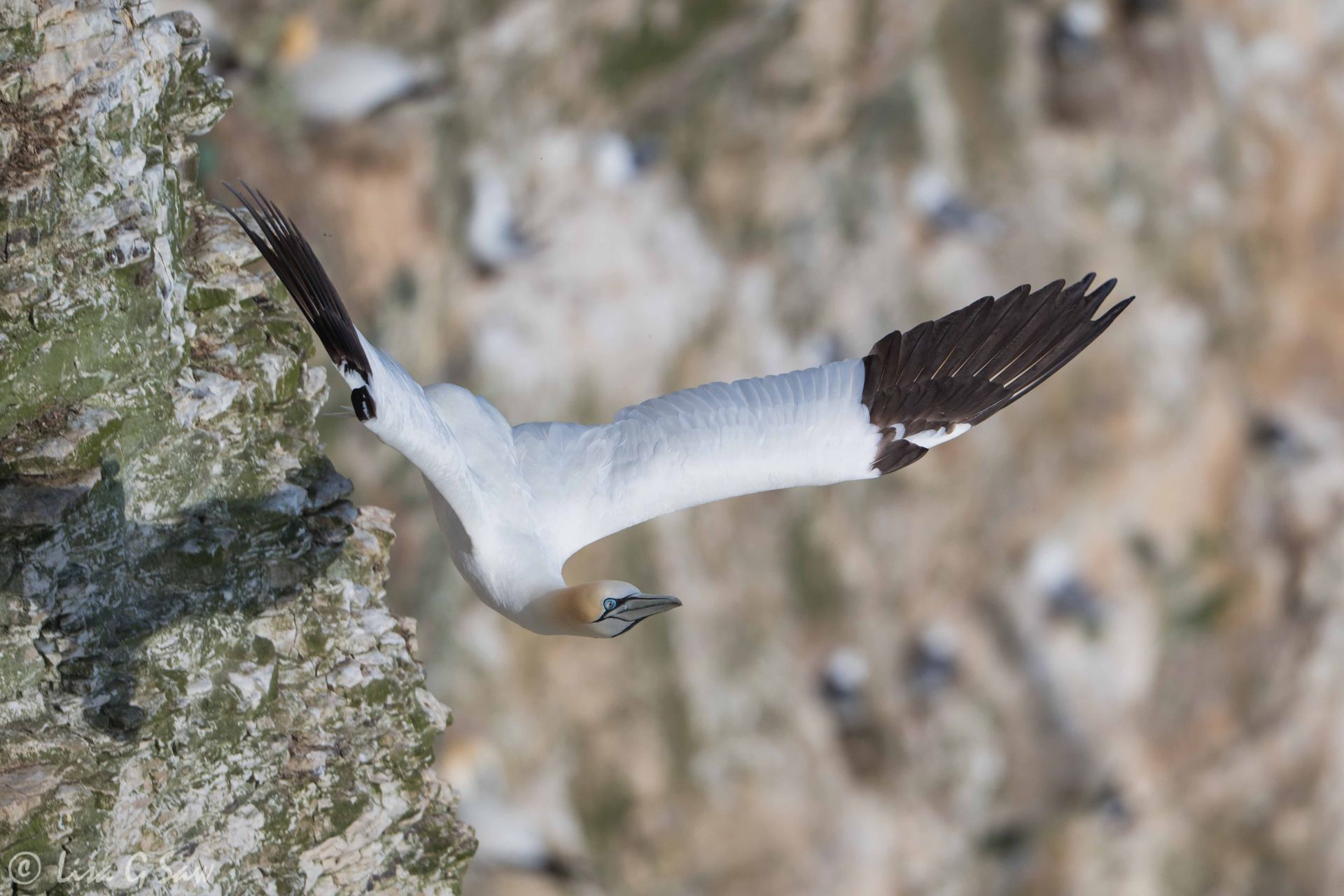
The gannets usually lift their beak upwards just before they dive off the cliff, falling downwards as they take flight.
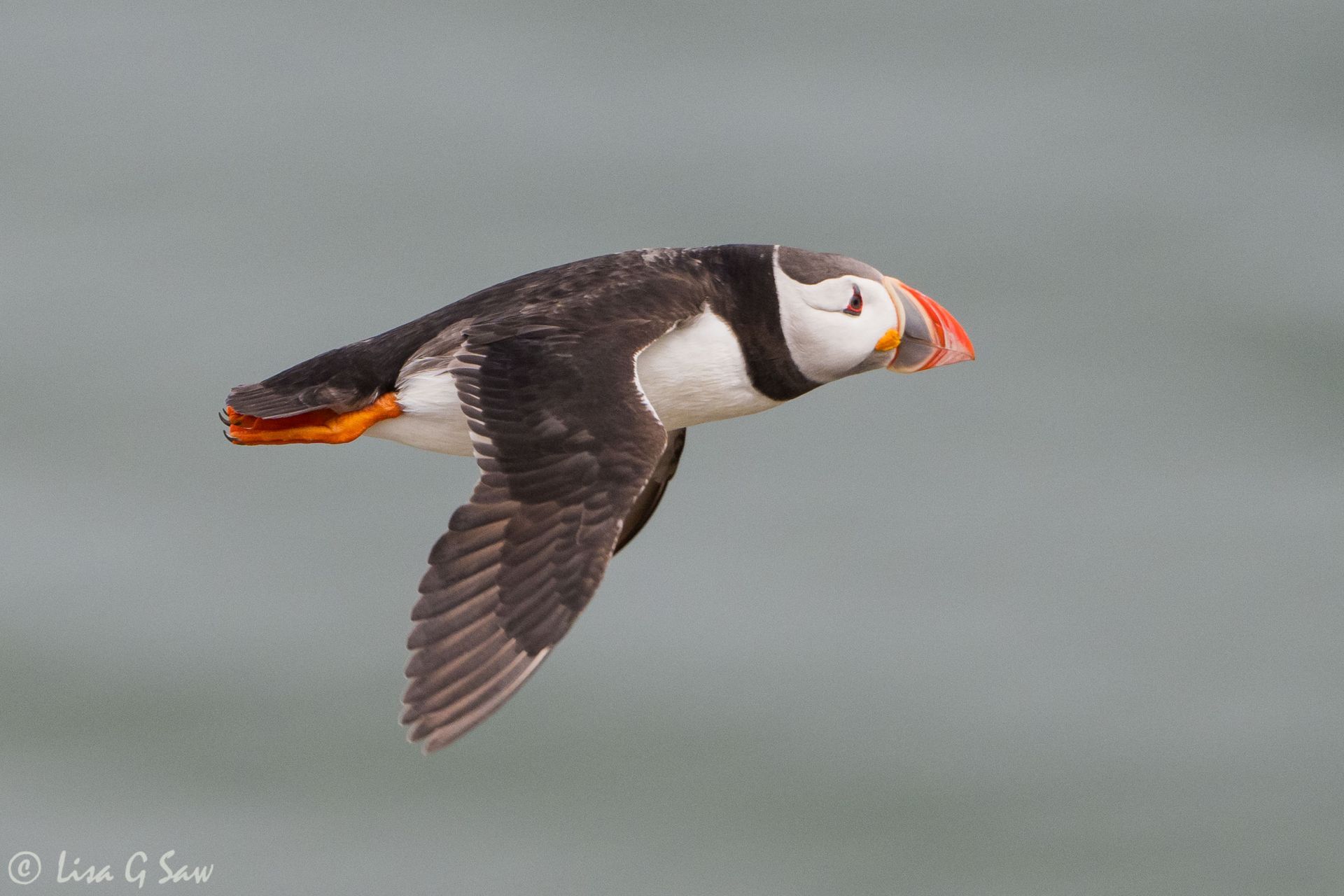
Puffins are seen in far fewer number at the cliffs as they spend more time in their nesting burrows, in early June. Mostly, you see them flying to and from the sea.
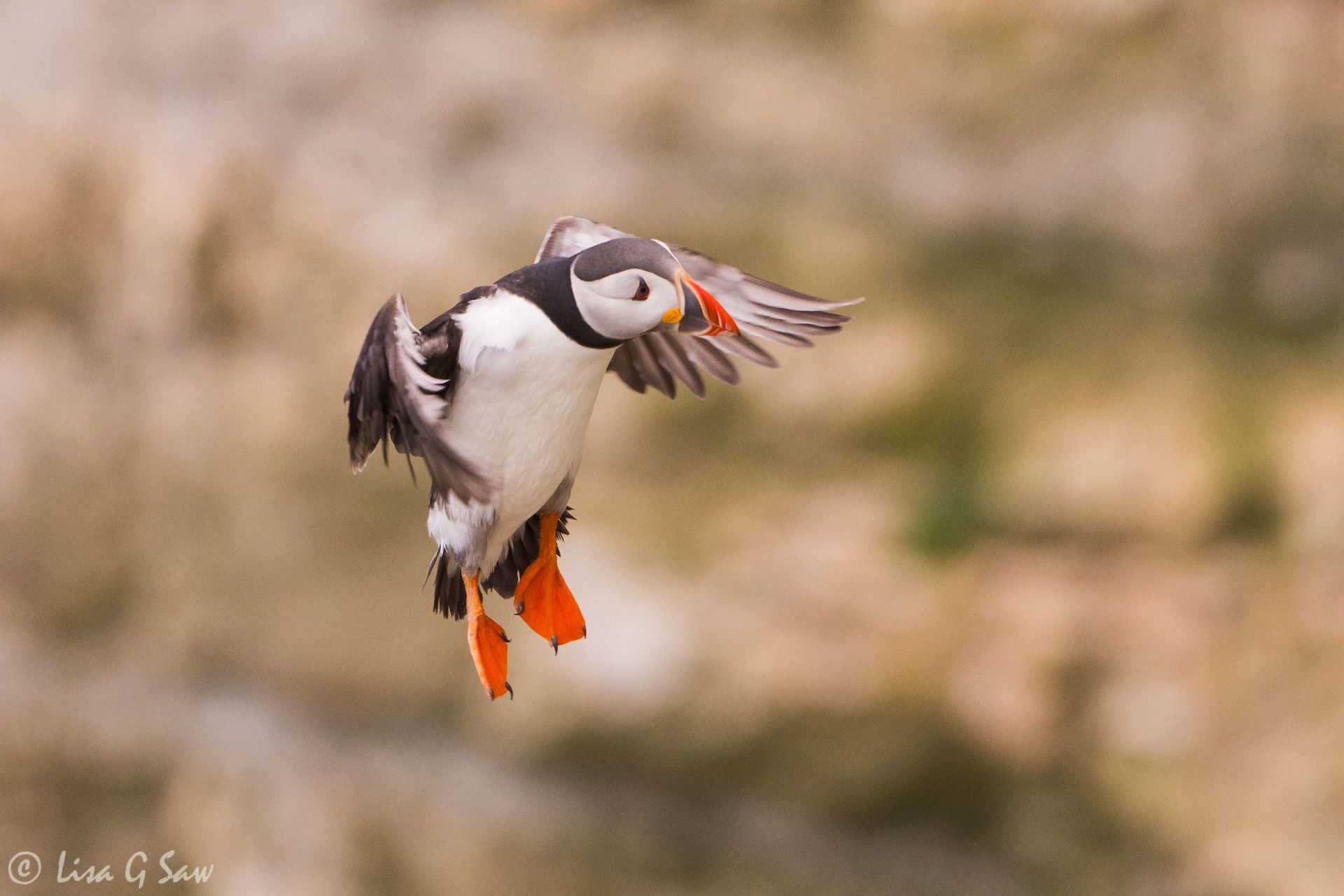
Puffin coming in to land. Notice the claws on their webbed feet.
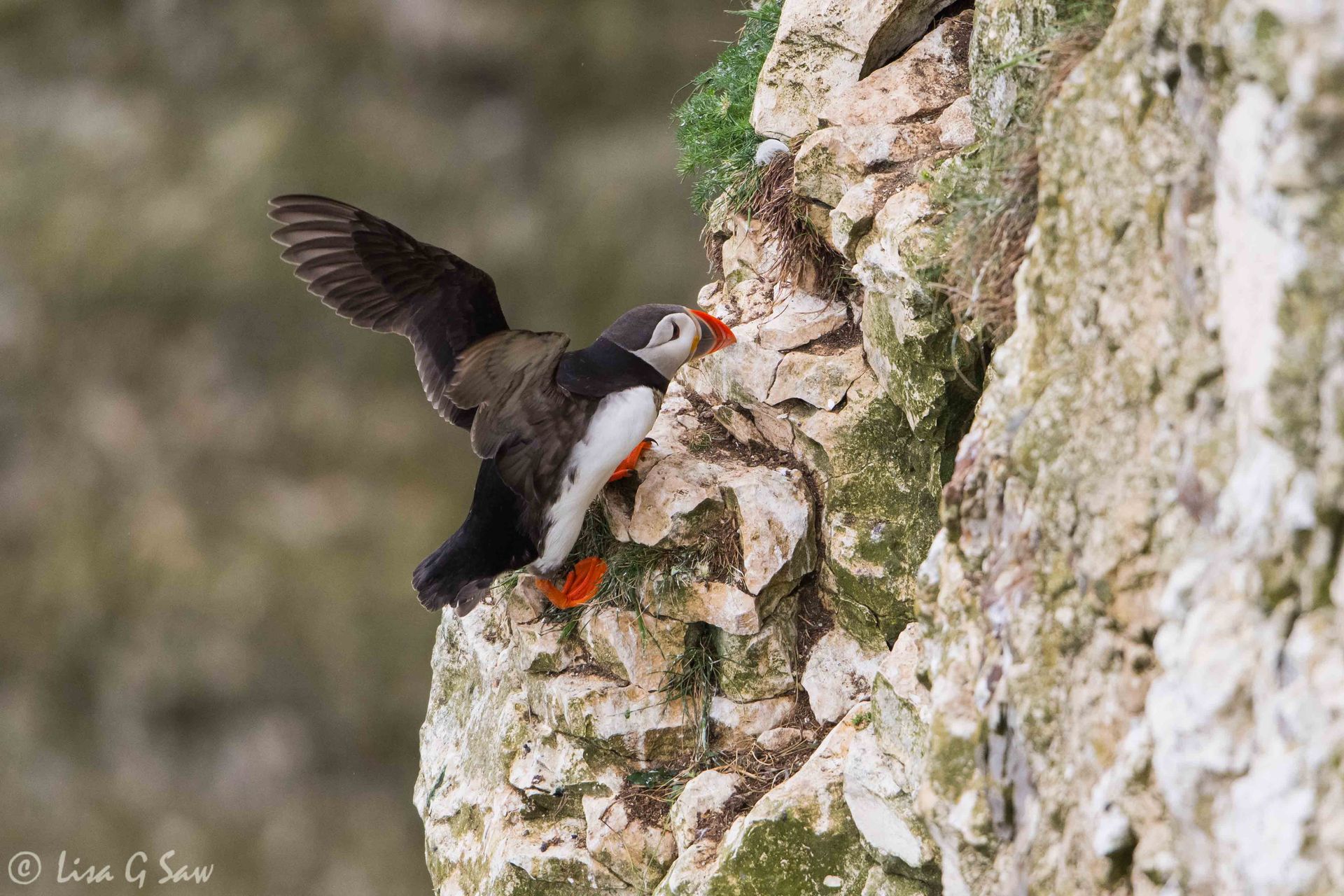
Those claws come in handy when landing on the cliff wall.
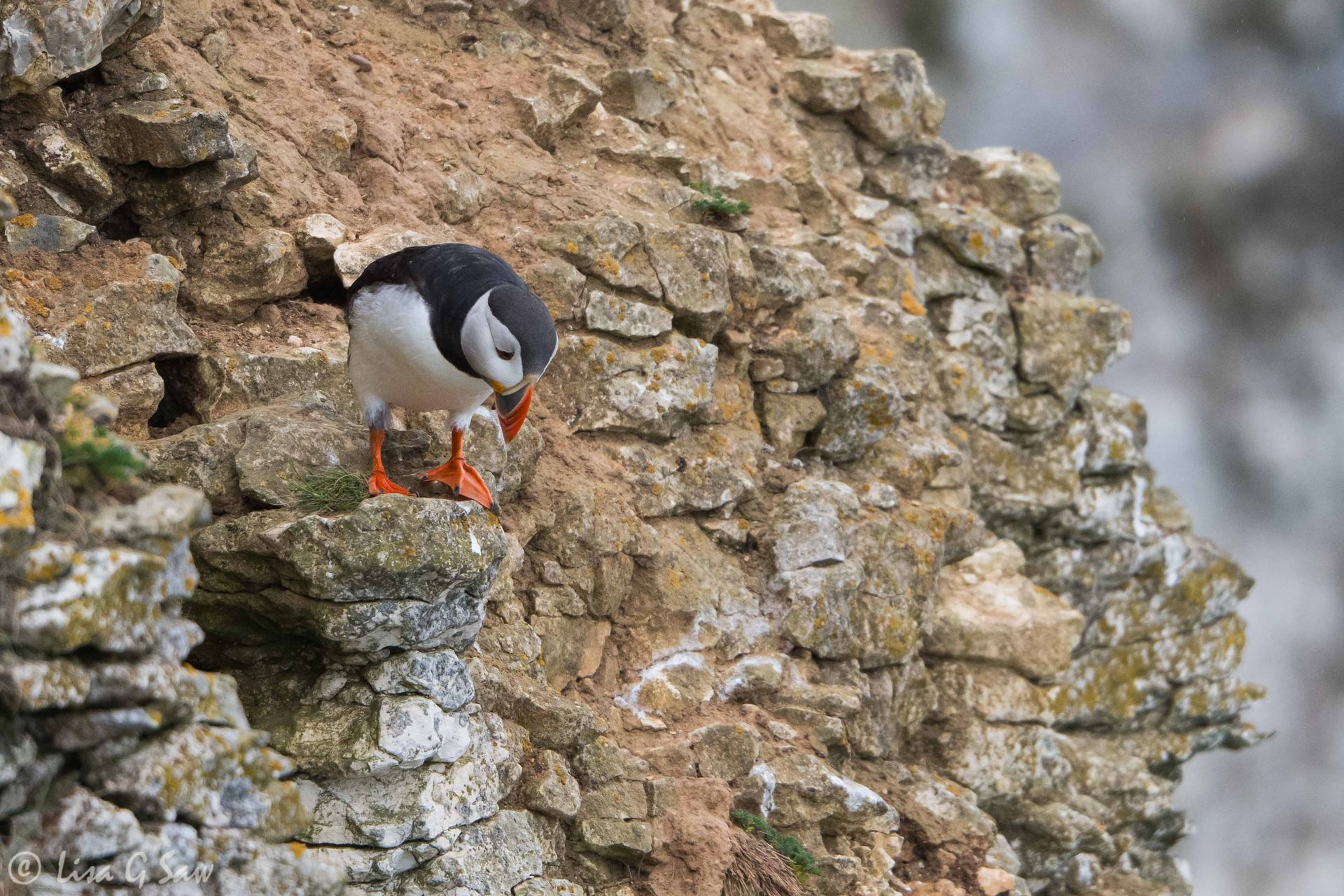
It's a long way down!
Puffin looking down to the sea below. The cliffs at Bempton are about 100m high.
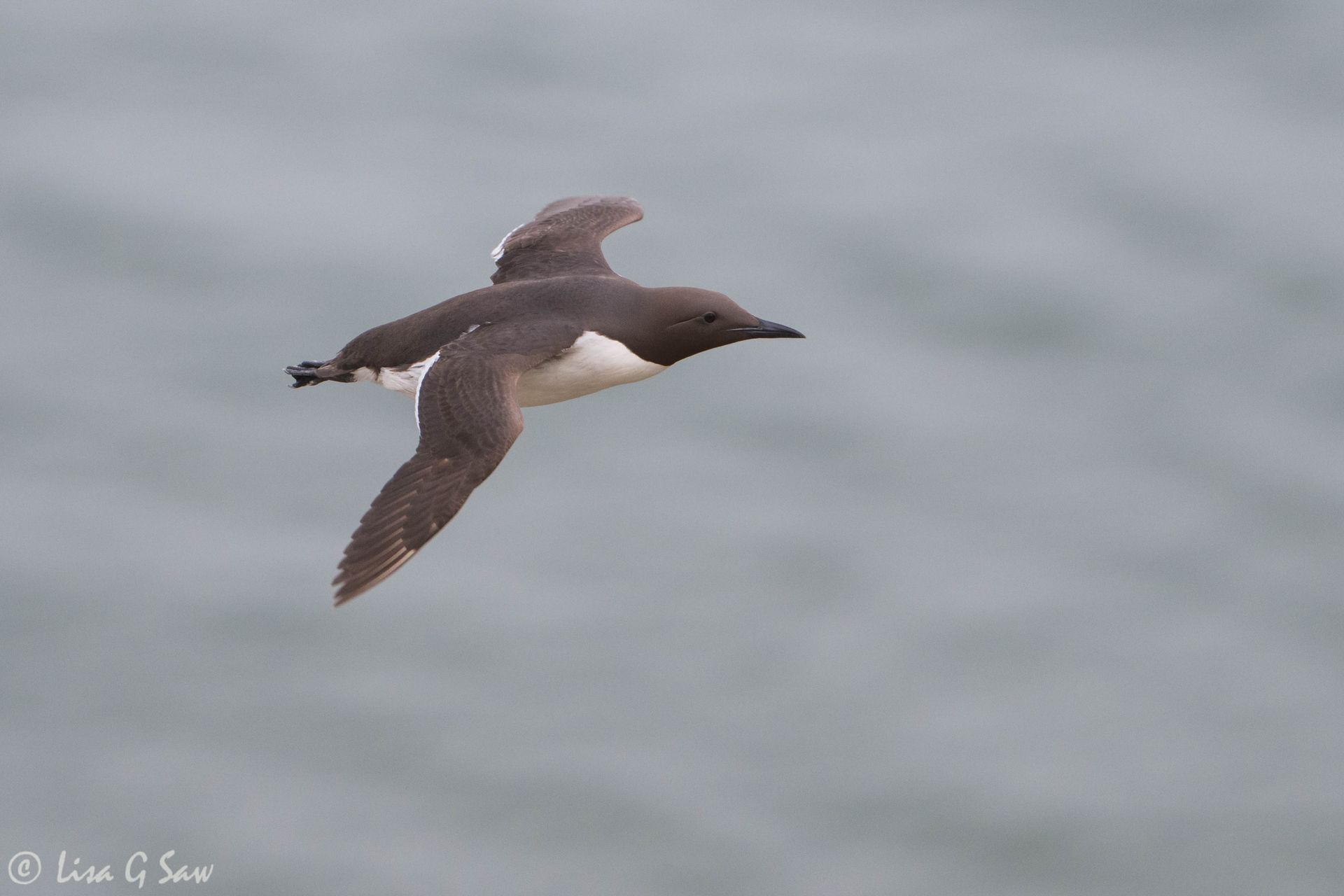
Common Guillemot flying.
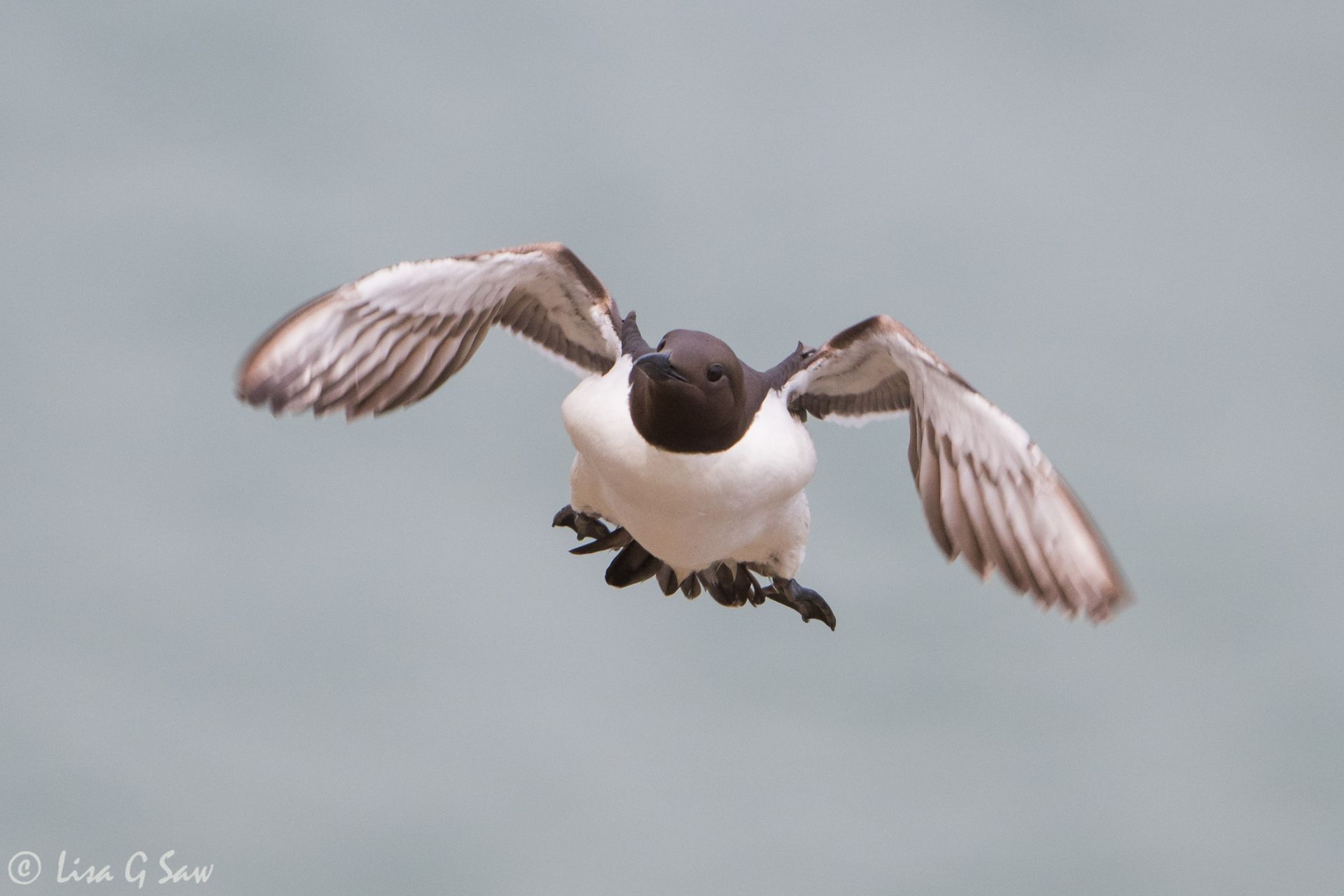
Guillemot coming in to land.
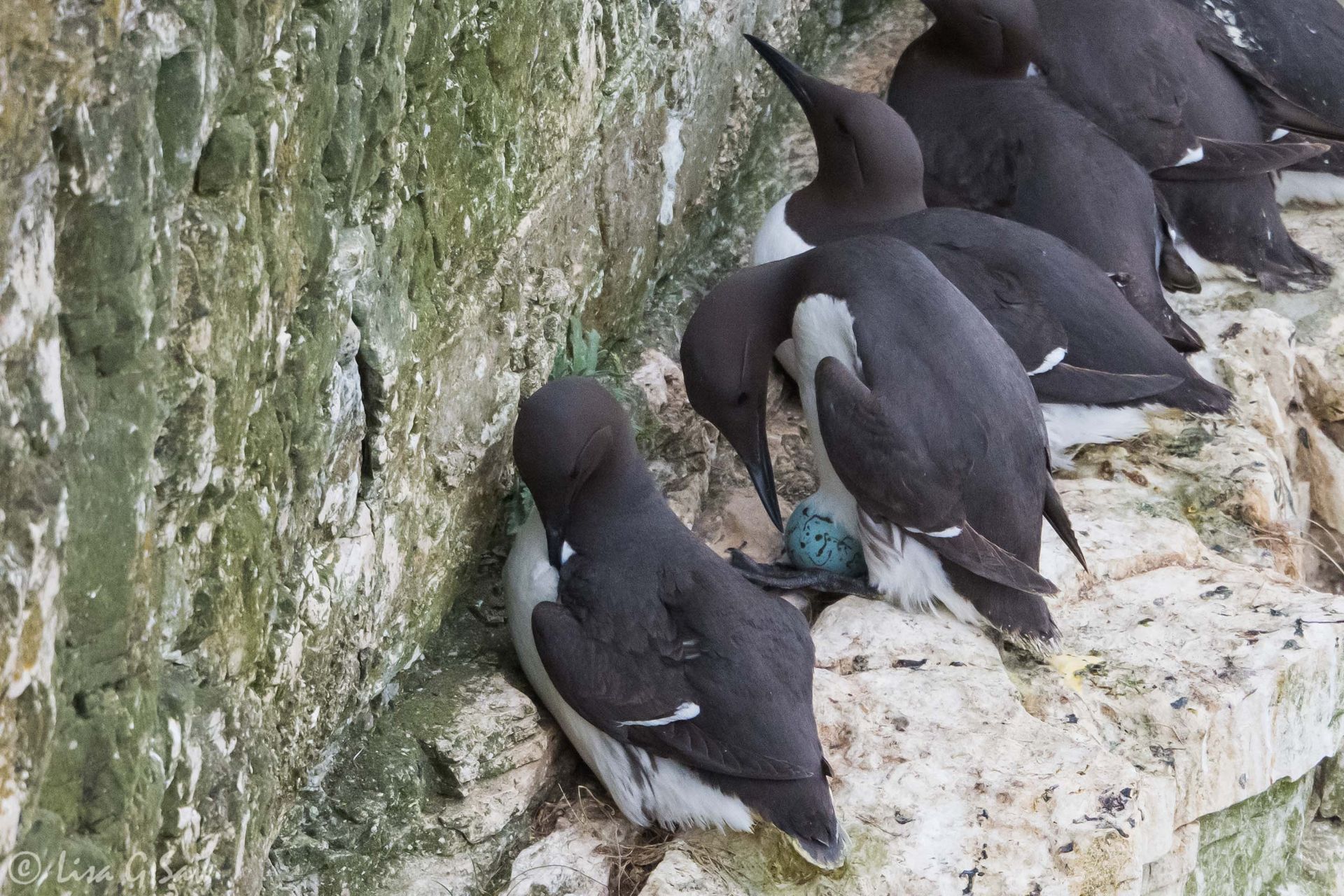
A guillemot will nest on a narrow ledge of the cliffs, facing inwards, with very little to protect their solitary blue egg and chick, once it's hatched.
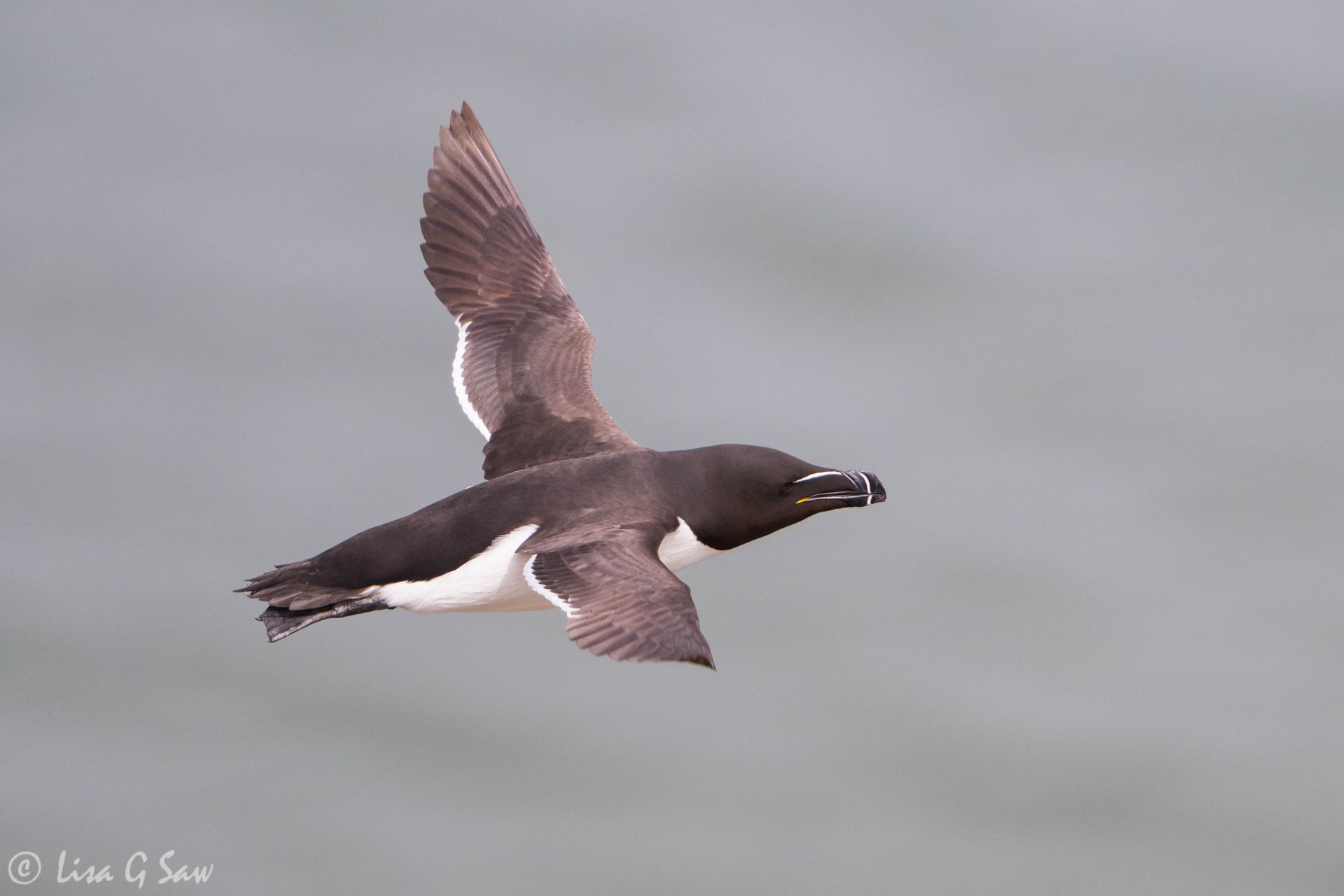
Razorbills also nest on the cliffs. They have a striking dark brown and white bill.
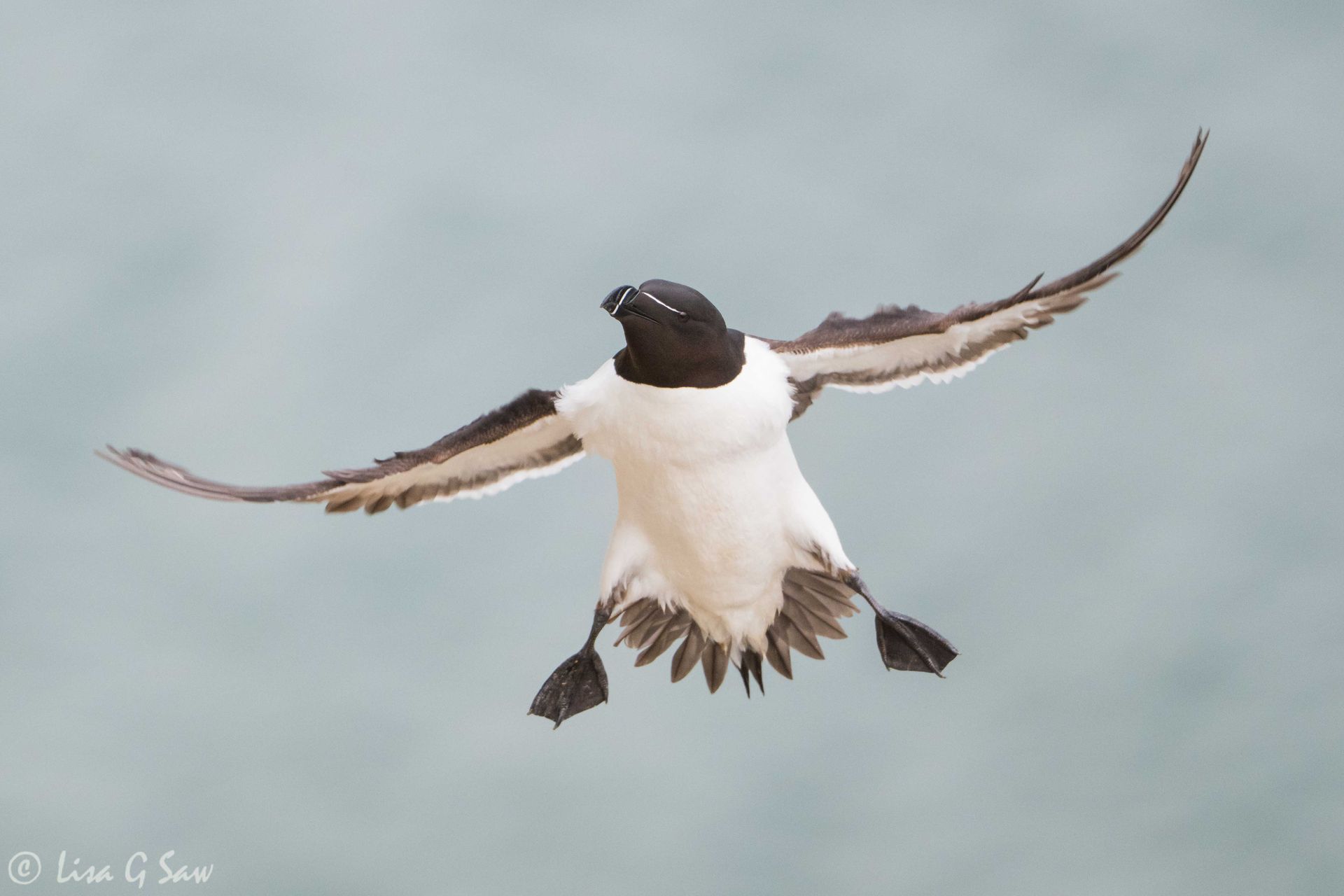
I love how their spread their wings and legs wide, fan their tail, and make their body as wide as possible, slowing down as they come in to land.
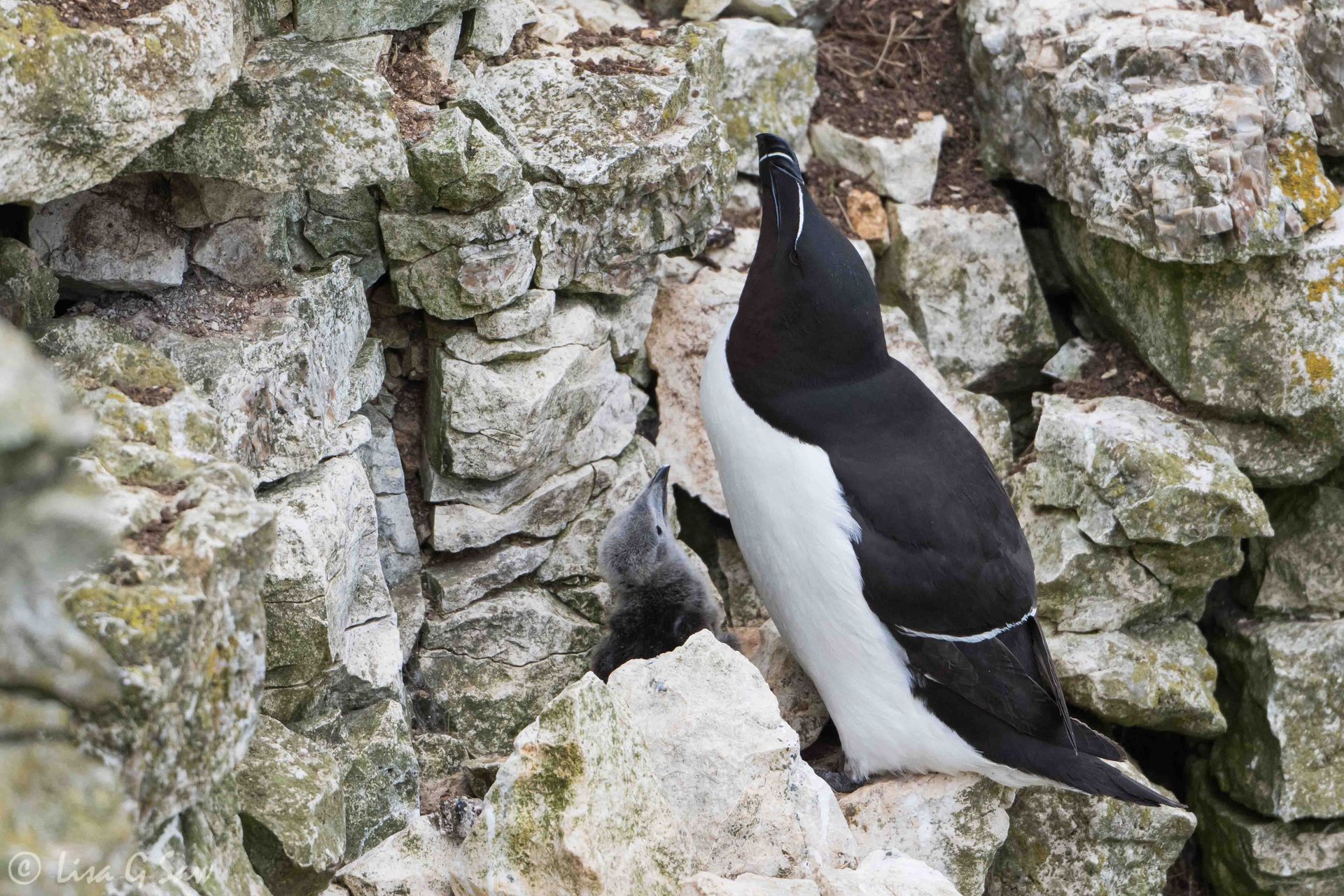
In early June, the Razorbills were the only seabirds that had chicks already. They often stand at the rock wall with their beak pointed upwards. Notice how the chick is copying the adult.
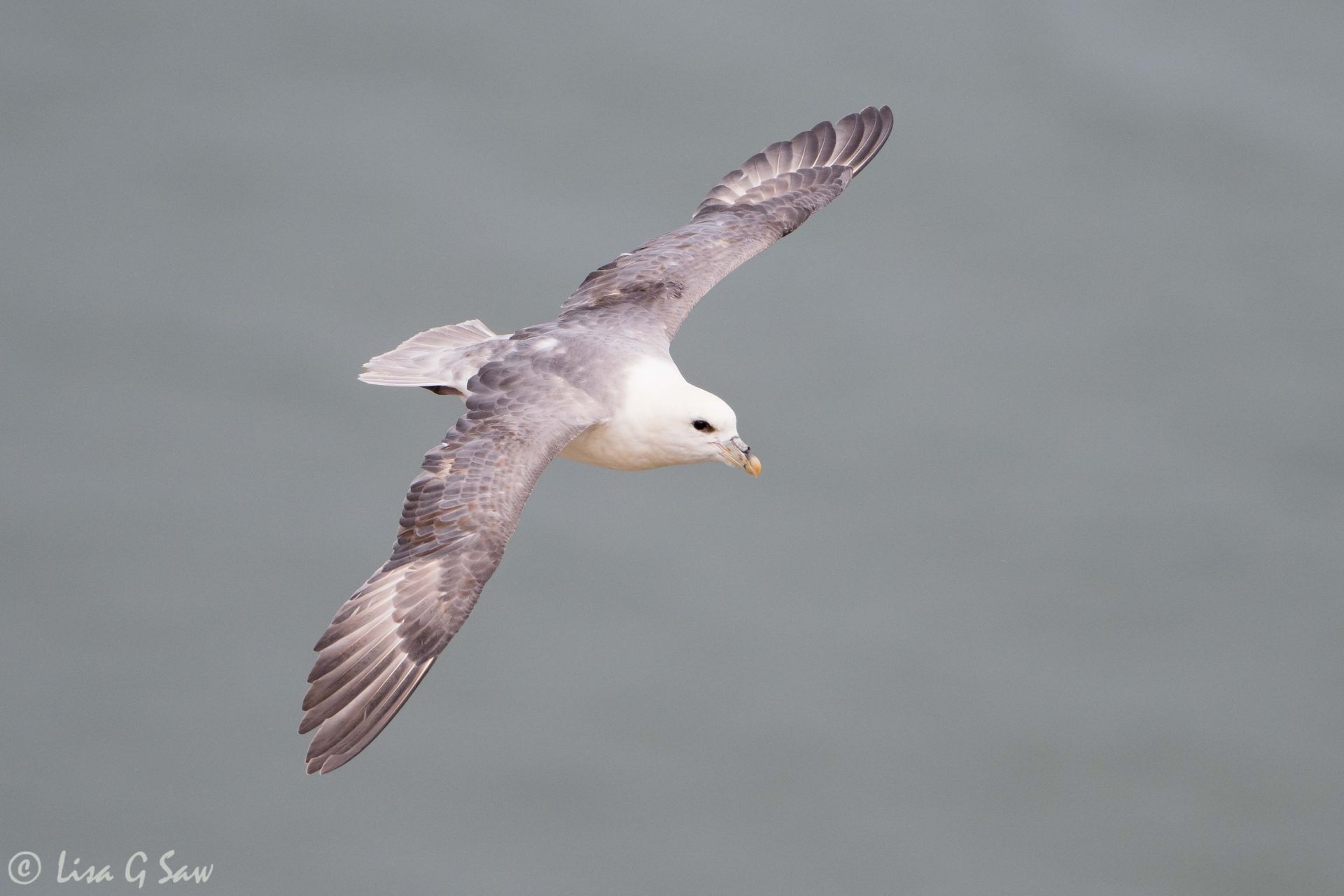
Northern Fulmars were also seen flying around in small number. They have a lovely wing pattern.
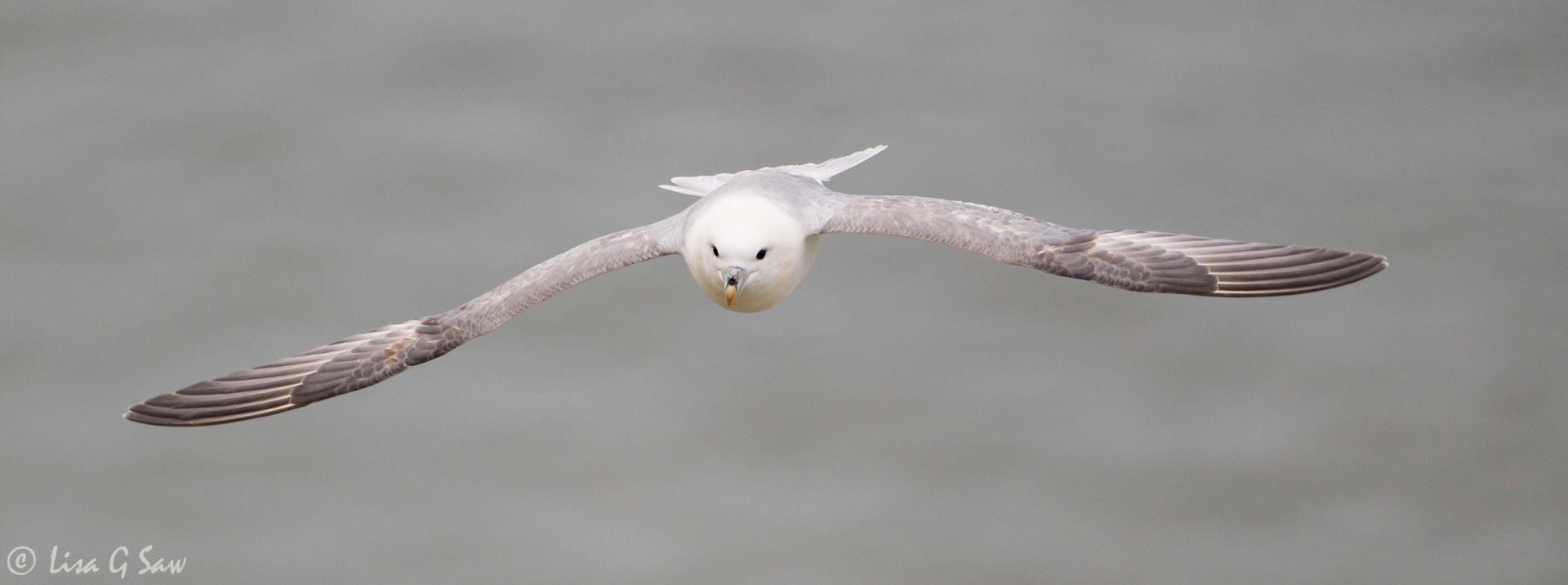
Northern Fulmar flying towards the cliffs.
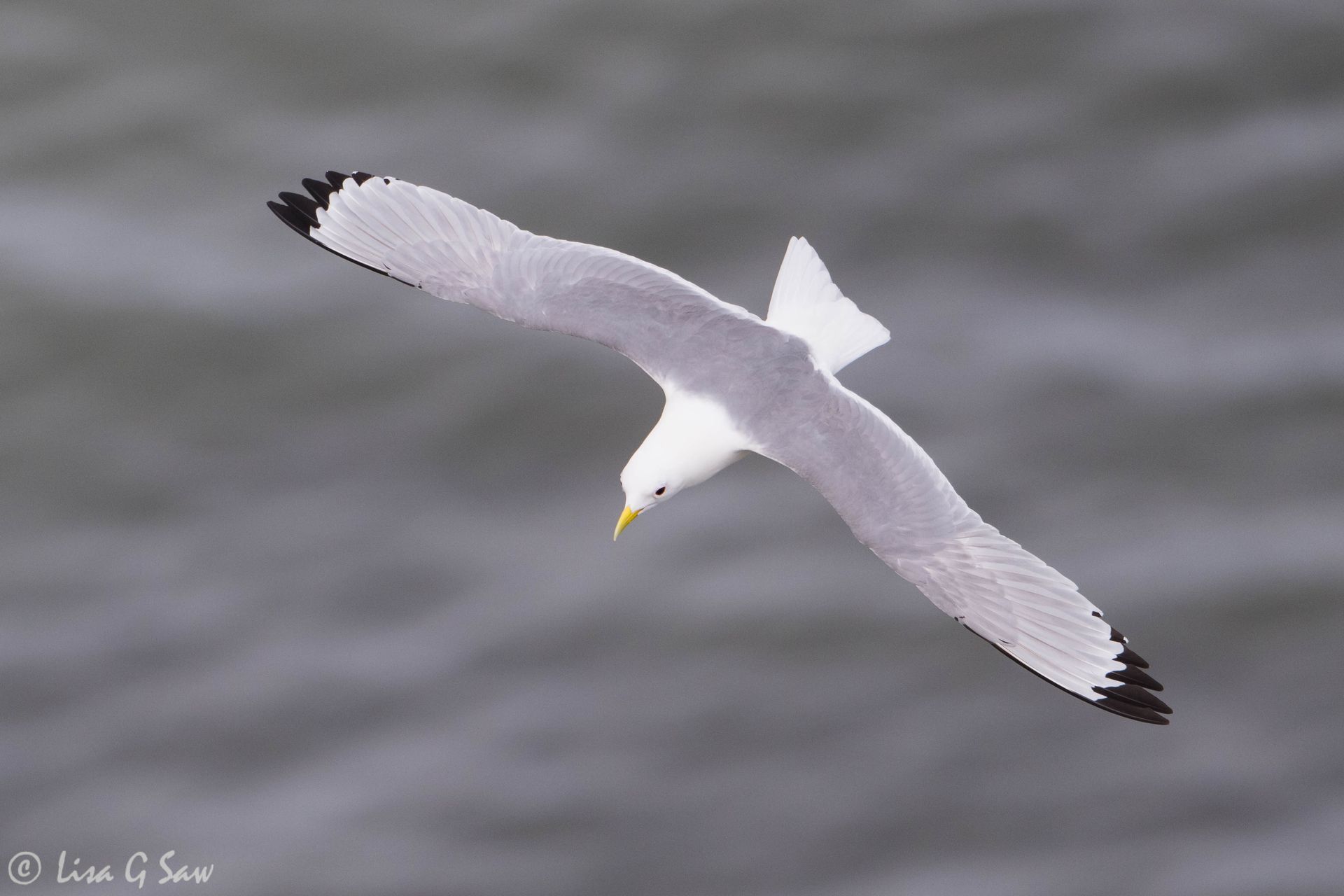
In comparison, the wings of the Common Kittiwake are more plain, but quite elegant looking with the small black feathers at the tips of the wings. We saw them in good number.
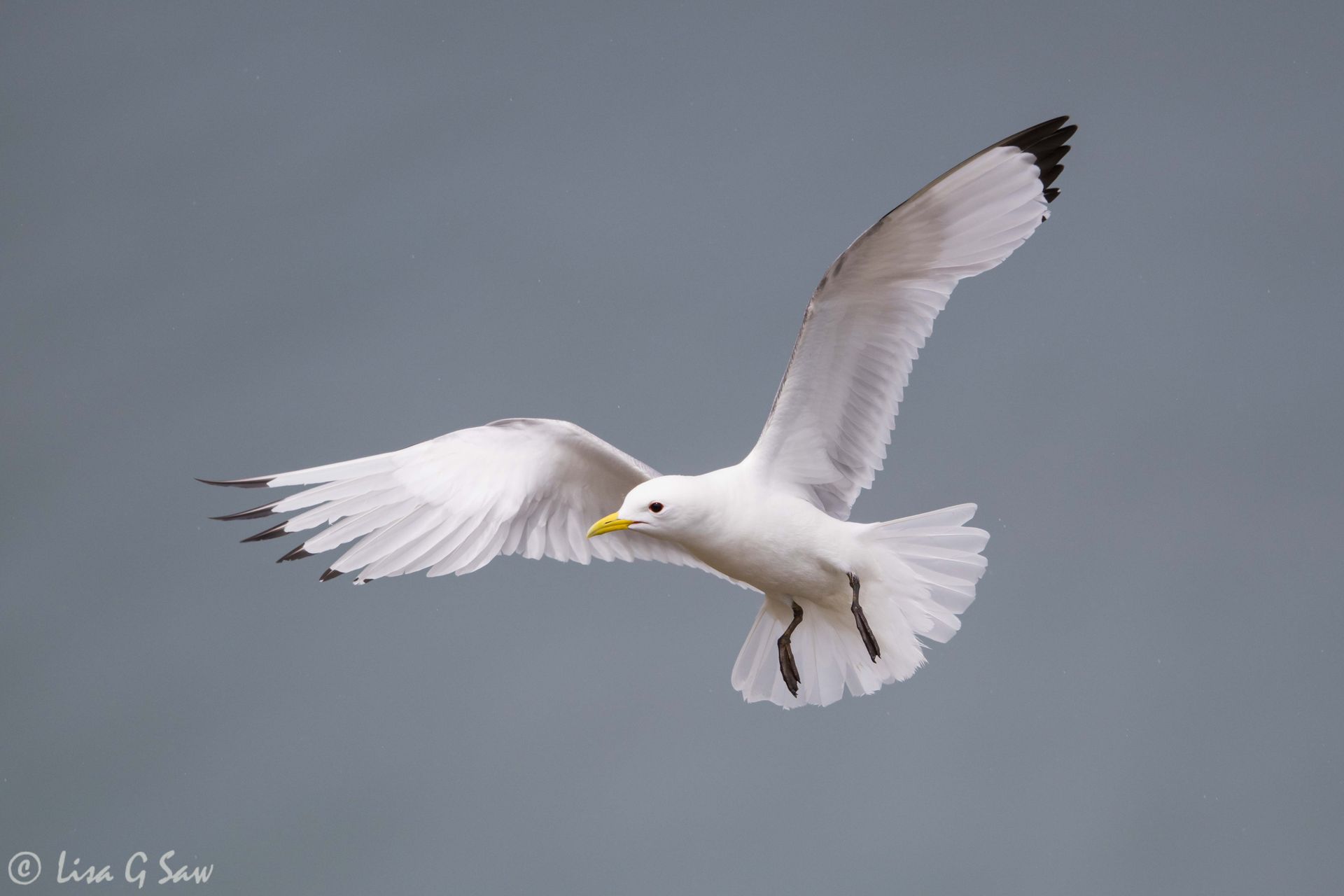
Kittiwake coming in to land.
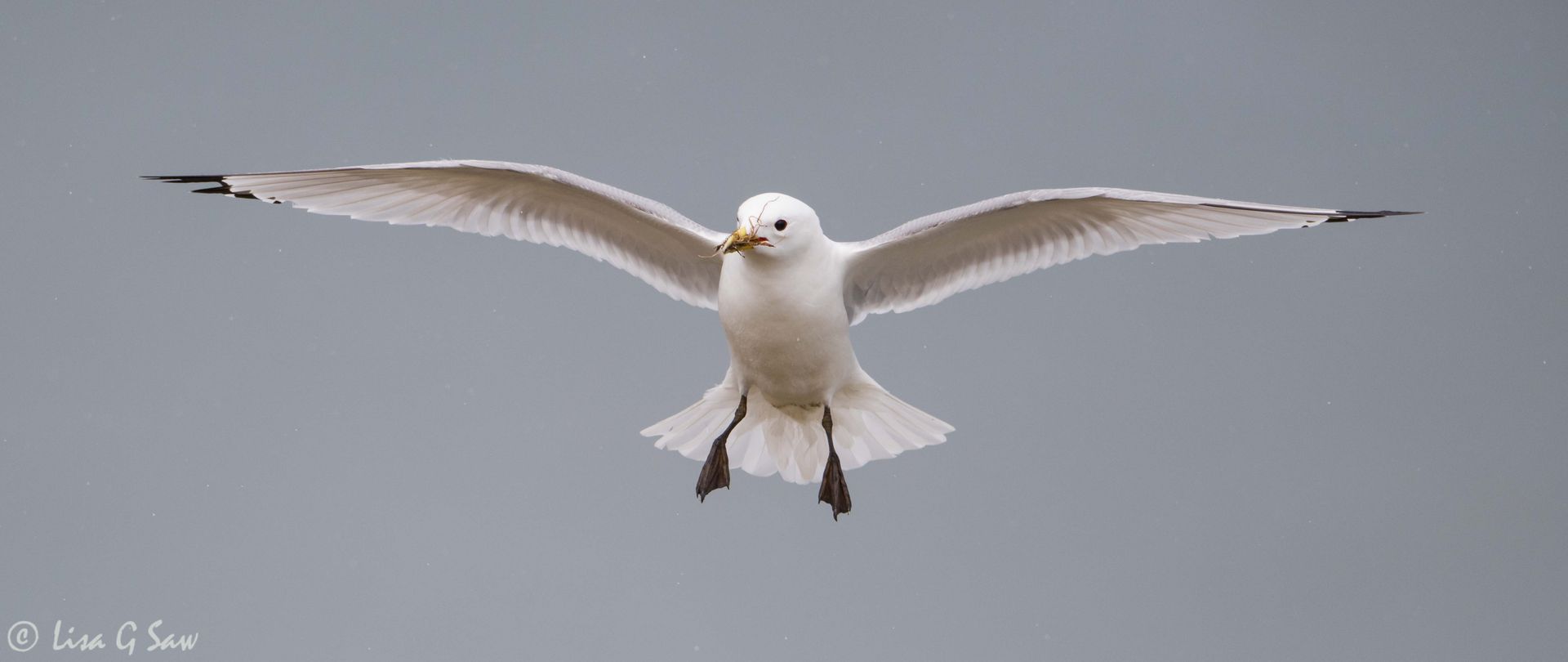
The kittiwake is much smaller than the gannets, with a wingspan of 91 to 110cm. They were also seen collecting nesting material from the tops of the cliffs.
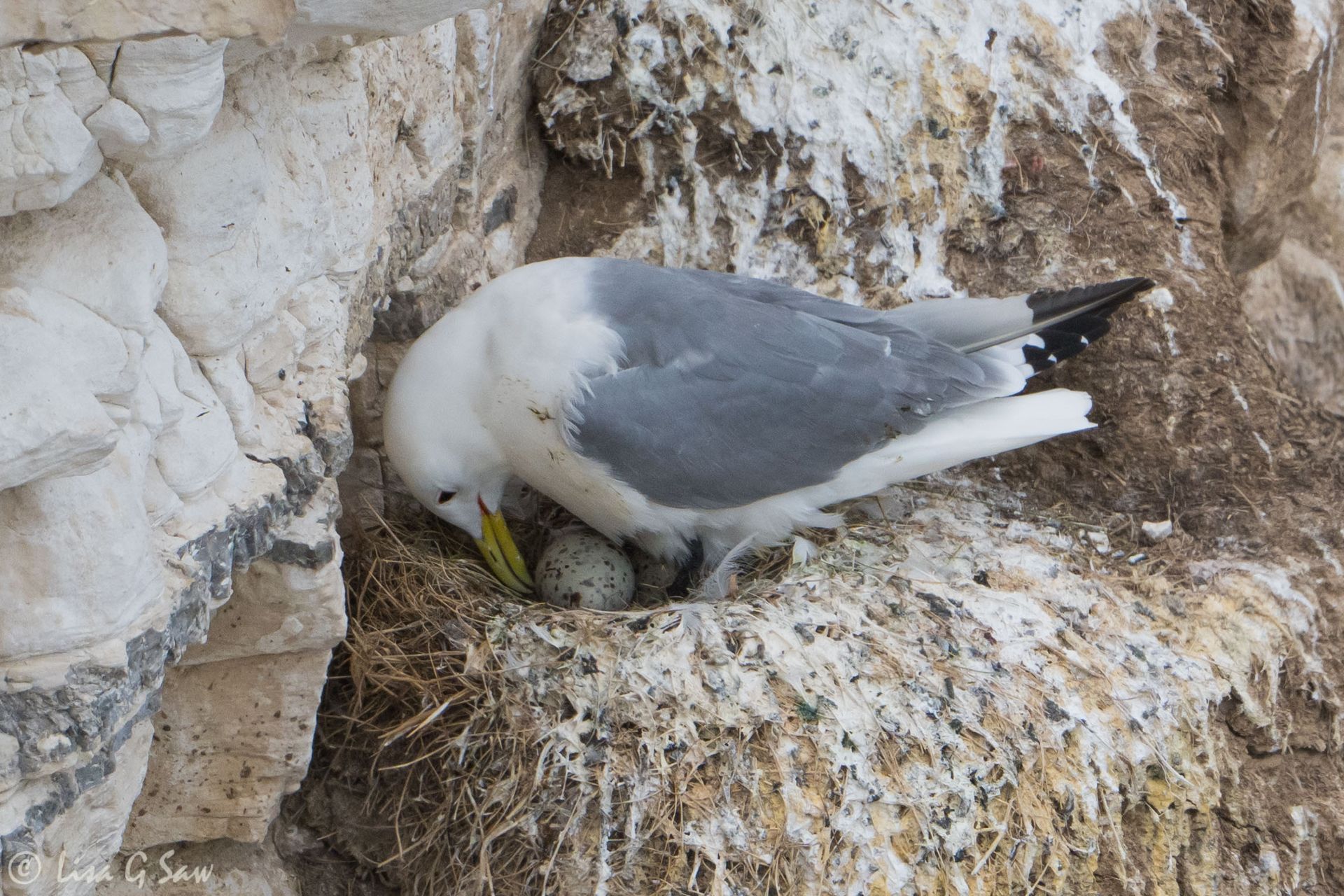
Kittiwake moving an egg in the nest.
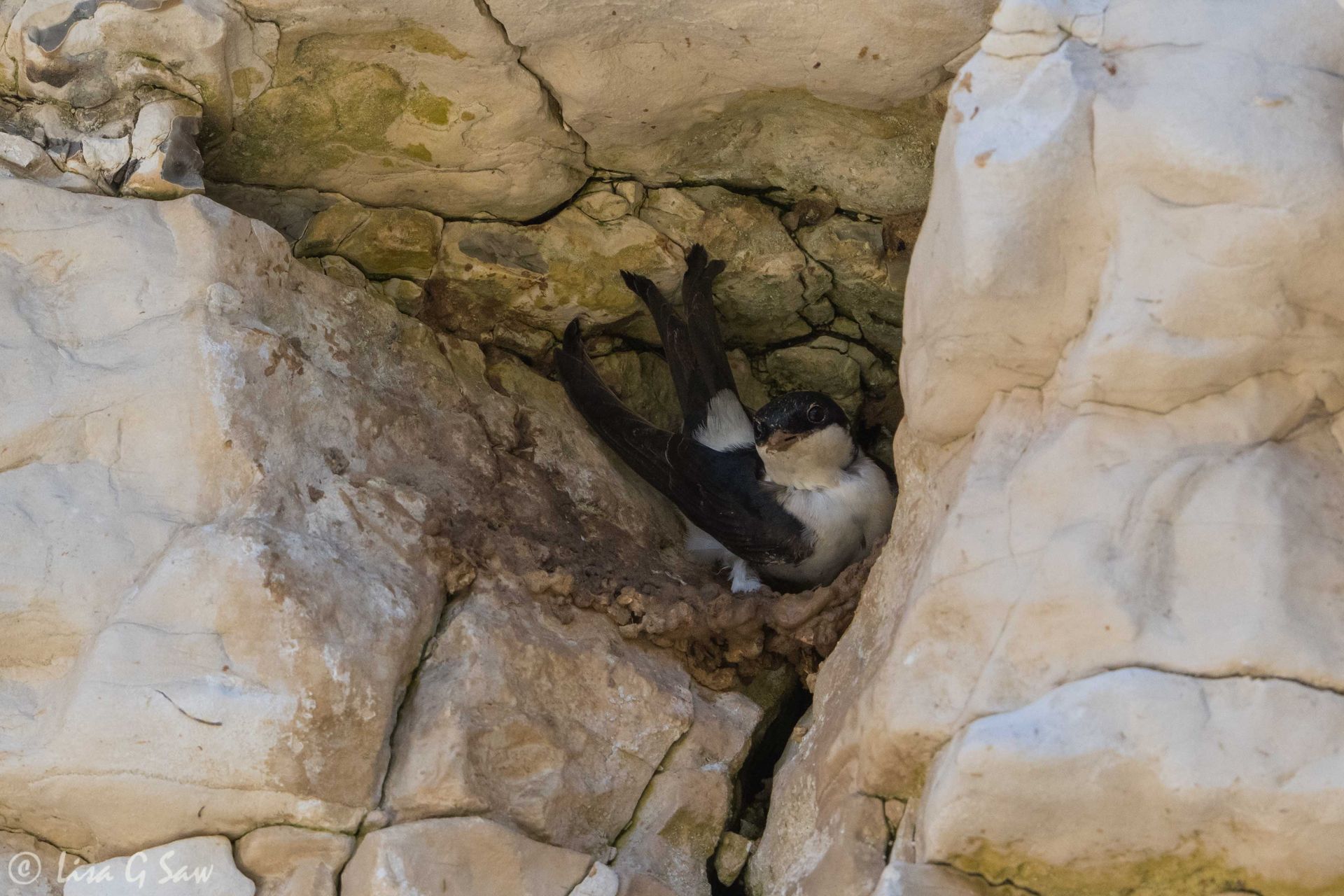
House Martin sitting on nest in the cliff wall
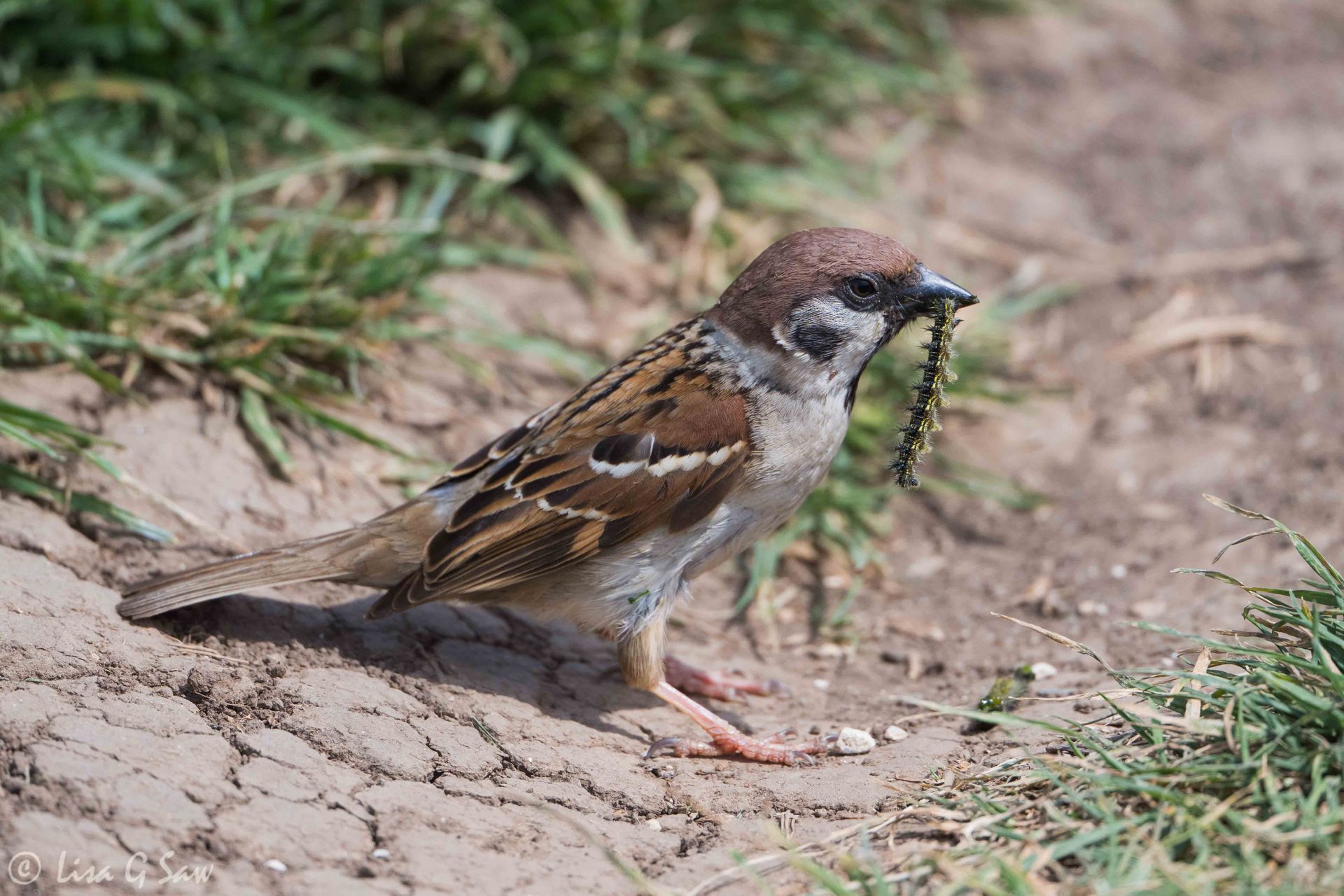
An adult Tree Sparrow with a Small Tortoiseshell caterpillar in its beak.
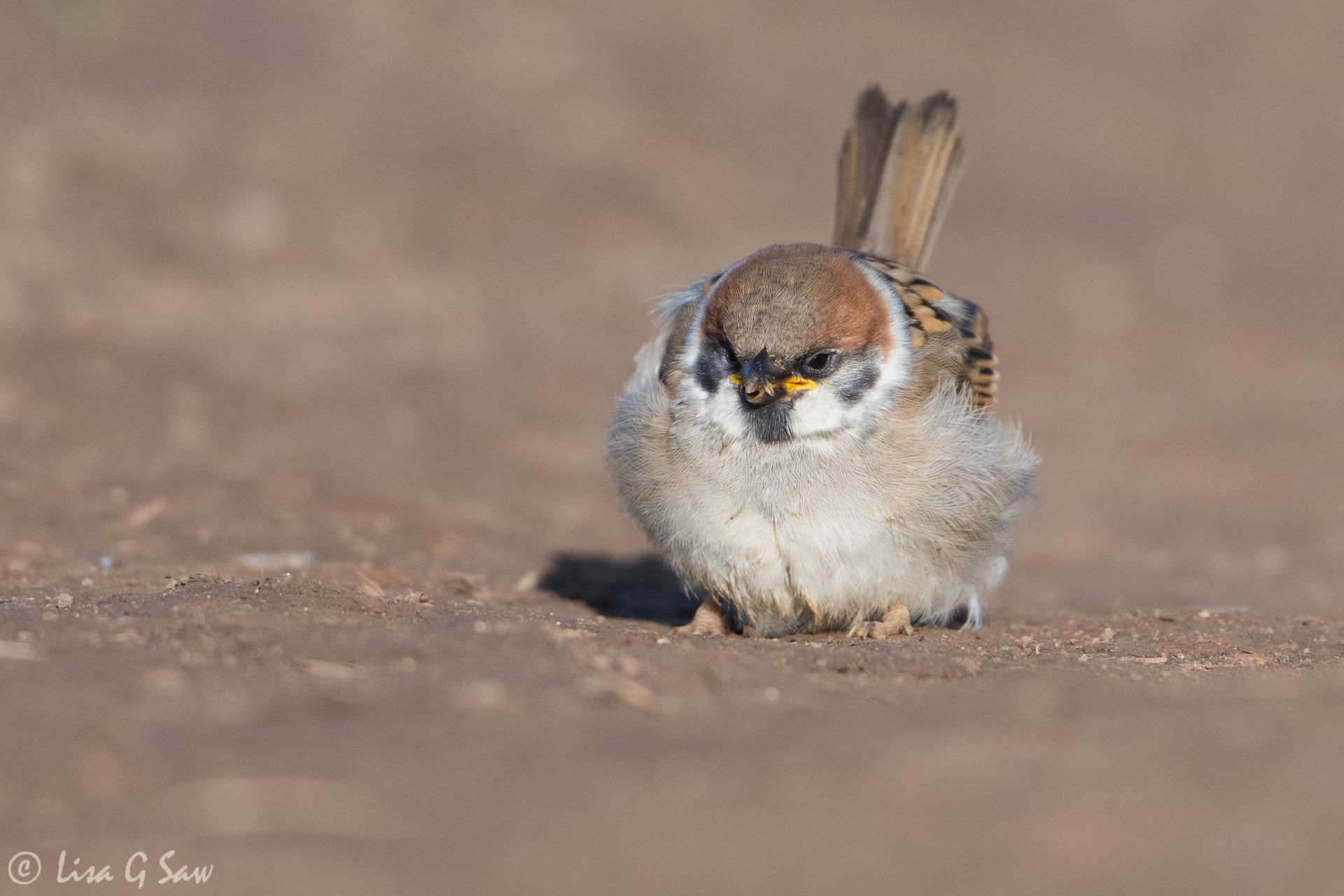
A fluffy looking Tree Sparrow fledgling on the ground. You can see the yellow gape flange at the base of the beak - the wider, fleshier corner. This provides the parents with a high-visibility target for feeding their young.
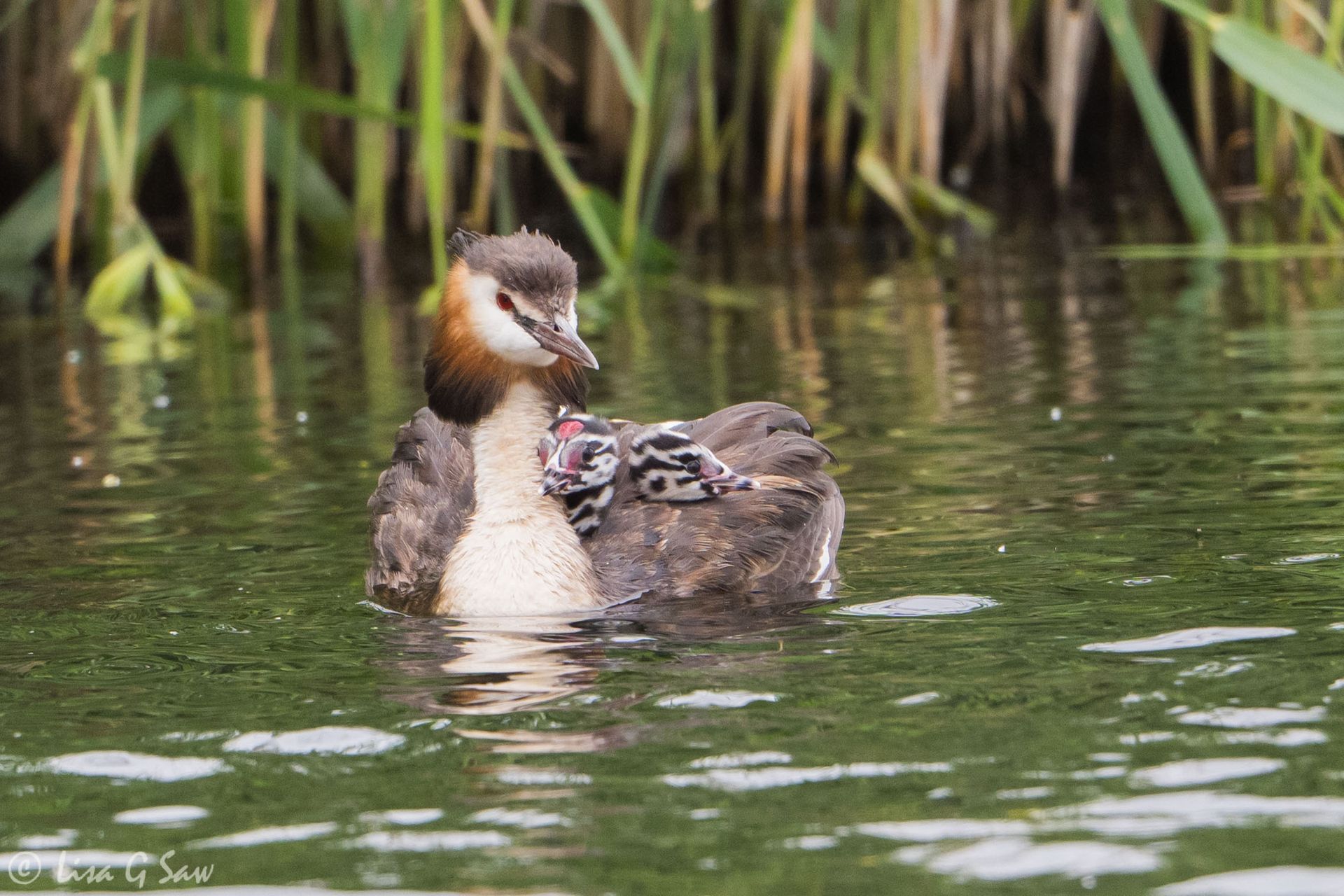
Great Crested Grebe with two chicks on her back at RSPB St Aidan's, Leeds.
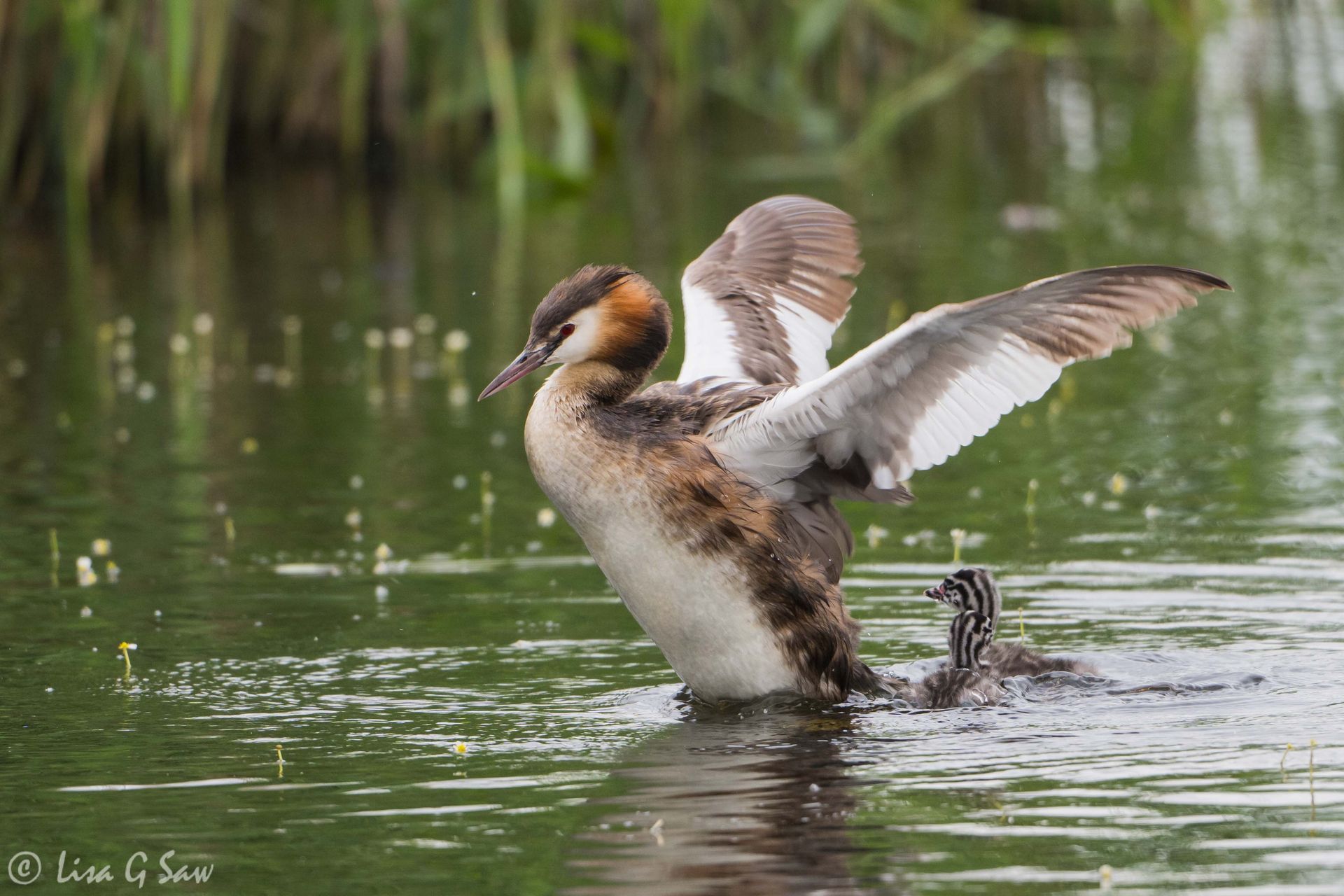
The adult Great Crested Grebe began flapping its wings, lifting up out of the water. The three chicks that had been on her back, nestled amongst her warm feathers, unceremoniously dropped into the water.