Lisa G Saw • December 22, 2022

Visualisation And Thinking Positively

It feels appropriate to be writing this blog exactly a year after my stepdad passed away. I wanted to write about visualisation and how it helped me in the lead up to his memorial. My mum had asked me to read a poem on the day and I wanted to be sure I could deliver it without getting emotional. In preparation, it wasn’t enough to just read the poem over and over daily for about a week. I had to visualise myself reading it inside the church on the day. I imagined standing at the lectern in front of the rows of people, all dressed in an array of colour and not the usual drab black. I made a point of imagining myself reading the poem slowly and calmly, with confidence and composure. Every day I practiced and went through this same visualisation.


During the spring, I’d read several self-help books and in the week leading up to my stepdad’s memorial I finished another, ‘The Secret’ by Rhonda Byrne. All of these books were more or less saying the same thing. I was reminded about the importance of being positive and seeing things positively. I was really feeling it. I was so energised and much happier. Literally, the day after finishing ‘The Secret’, I picked up the sheet of paper to practice reading the poem and suddenly, I had a light bulb moment. Even though I’d been reading the words repeatedly several days before, the meaning behind them instantly became clear. The poem was all about viewing death positively and celebrating life. It spoke volumes to me. No longer was I just reading the words, but feeling them. It wasn’t easy, but definitely easier. I was sure I could deliver the poem on the day with confidence now I believed and embraced the words and their meaning. But, just to be sure, I continued to visualise and practice daily.


There’s a slight drawback with visualisation. Not everything is as we picture it. On the morning of the memorial, ahead of the service, I went to the church with my mum. I discovered the interior was nothing like I’d imagined it. There wasn’t just one nave, but three, and I’d be standing in the middle. This threw me! Where would I face? Where would the lectern be positioned? Thankfully, there was time to consider everything, and I was able to practice the reading. I felt happier after that.


The challenge for me during the service was that my reading of the poem was to follow on from my stepsister’s reflections. I’d at least had the foresight to suggest to my mum that we have a hymn in between us. I was very grateful for that on the day. I have no recollection of which hymn it was. I don’t even recall singing. I just remember wiping away the tears, taking some deep breaths and repeating to myself, ‘You’re confident, calm and composed’. The moment of truth had arrived and it was time to read the poem.


He Is Gone

by David Harkins


You can shed tears that he is gone

Or you can smile because he has lived.


You can close your eyes and pray that he will come back

Or you can open your eyes and see all that he has left.


Your heart can be empty because you can’t see him

Or you can be full of the love that you shared.


You can turn your back on tomorrow and live yesterday

Or you can be happy for tomorrow because of yesterday.


You can remember him and only that he is gone

Or you can cherish his memory and let it live on.


You can cry and close your mind, be empty and turn your back

Or you can do what he would want: smile, open your eyes, love and go on.


I was pleased with how my reading went. I wasn’t quite as calm and composed as I’d imagined, but that didn’t matter. The visualisation exercise and positivity had helped. Thankfully, no one could see that my knee was trembling beneath my skirt!


For me, the most touching and memorable moment of the service came right at the end. My stepbrother played ‘The Last Post’ on his cornet. It was very moving. As the music filled the church, I imagined my stepfather sitting at the helm of his boat, setting off to sea. He was smiling as he waved goodbye. Tears rolled down my cheeks, but I felt a sense of peace and calm. I was letting him go.
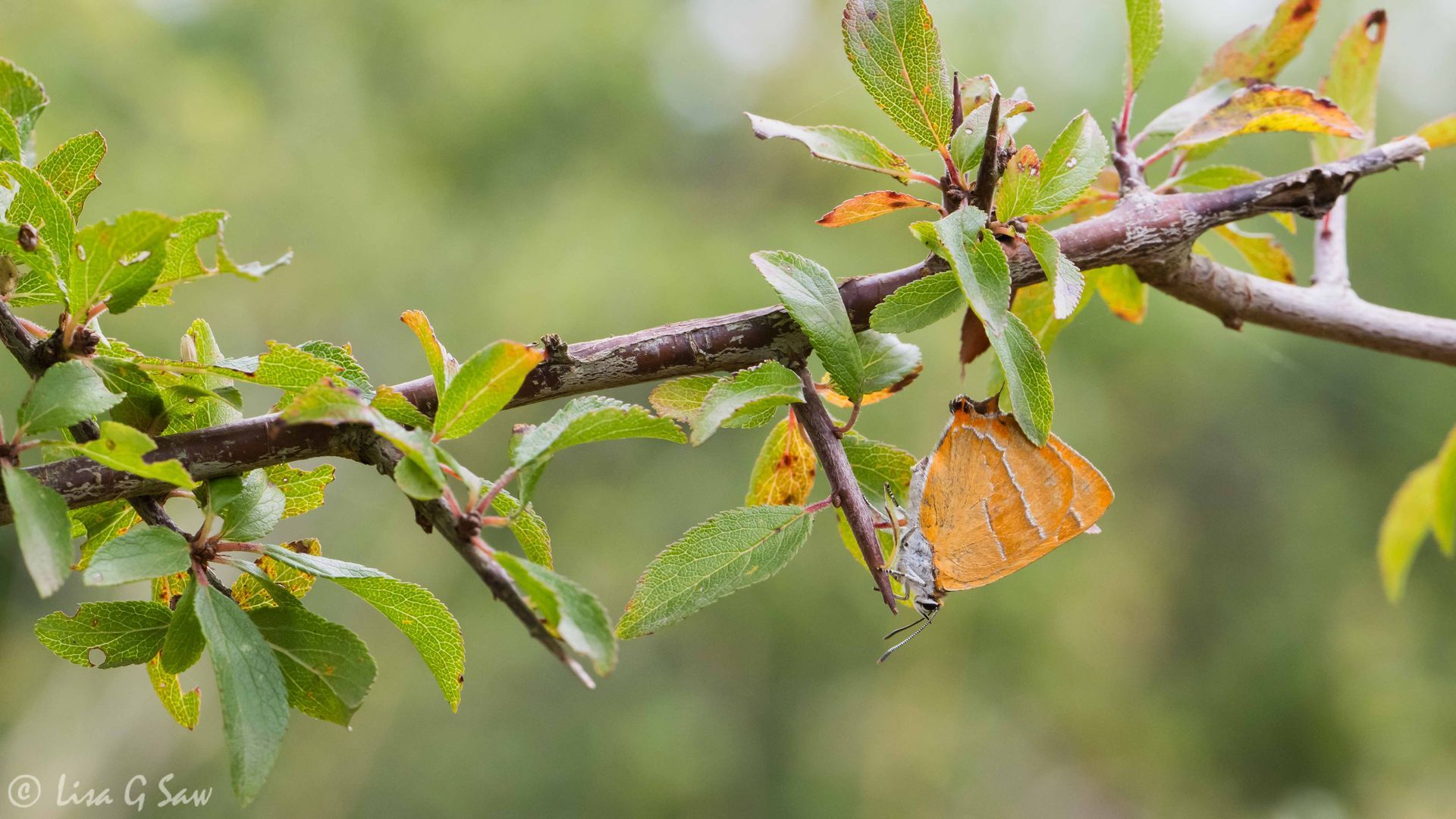
Brown Hairstreak
By Lisa G Saw September 13, 2026
WILDLIFE HIGHLIGHTS It was the insects that were dominating my wildlife sightings again in August, with plenty more dragonfly and damselfly encounters, plus some fabulous moths and butterflies. Early in the month, Bob and I had a call from one of his friends who had a Striped Haw-moth in his moth trap that morning. So we headed over to see it, having to wait some time for the weather conditions to be just right. Needless to say, I'd never heard of it before, but as ever, I'm learning about all sorts of new species and I certainly enjoyed the opportunity to photograph this fairly large moth species. It was very impressive, especially when we were able to see the flash of pink on the hindwings. I do like to experiment with my photography, and not just take the standard back-of-wing shot, and so got down low to take a photo from the side, so I could see its eye peering at me.
By Lisa G Saw September 12, 2026
Our original plan for our trip up to Yorkshire, was to drive direct to Buckton, with rest breaks along the way. It wasn't until we were actually driving north on the A23 that Bob suddenly wondered about the possibility of detouring to Glapthorn Cow Pastures. It's a site in Northamptonshire that is known to be good for Black Hairstreaks - a rare butterfly species in the UK. As I was navigating, I had a quick look on my phone and saw that it would only add about 40 minutes to our journey. Since I'd never seen this butterfly species in its natural woodland habitat - the local colony in East Sussex is of questionable origin, and has most likely been introduced - I was eager to visit this new site. I like being spontaneous and I think Bob was surprised I agreed. In the end, it was the perfect place for us to stop for lunch and enjoy some time in a beautiful quiet woodland. Of the few people there, most were about to leave when we arrived. Bizarrely, I recognised one of them too from back home! It was quite easy to find the ride where the majority of Black Hairstreaks were nectaring. Since it wasn't sunny to begin with, it wasn't too tricky taking some photos as they weren't too flighty. I couldn't believe how many I was seeing. There were several flying around in one small area, and as we ambled up the ride we saw many more - about 30 in total. I saw more in that hour than I had in total prior to that occasion. For the majority of time it was just the two of us in this small stretch of the woodland. It was so peaceful. For the most part, only the sounds of the birds and bees could be heard. It was heavenly!
By Lisa G Saw August 31, 2026
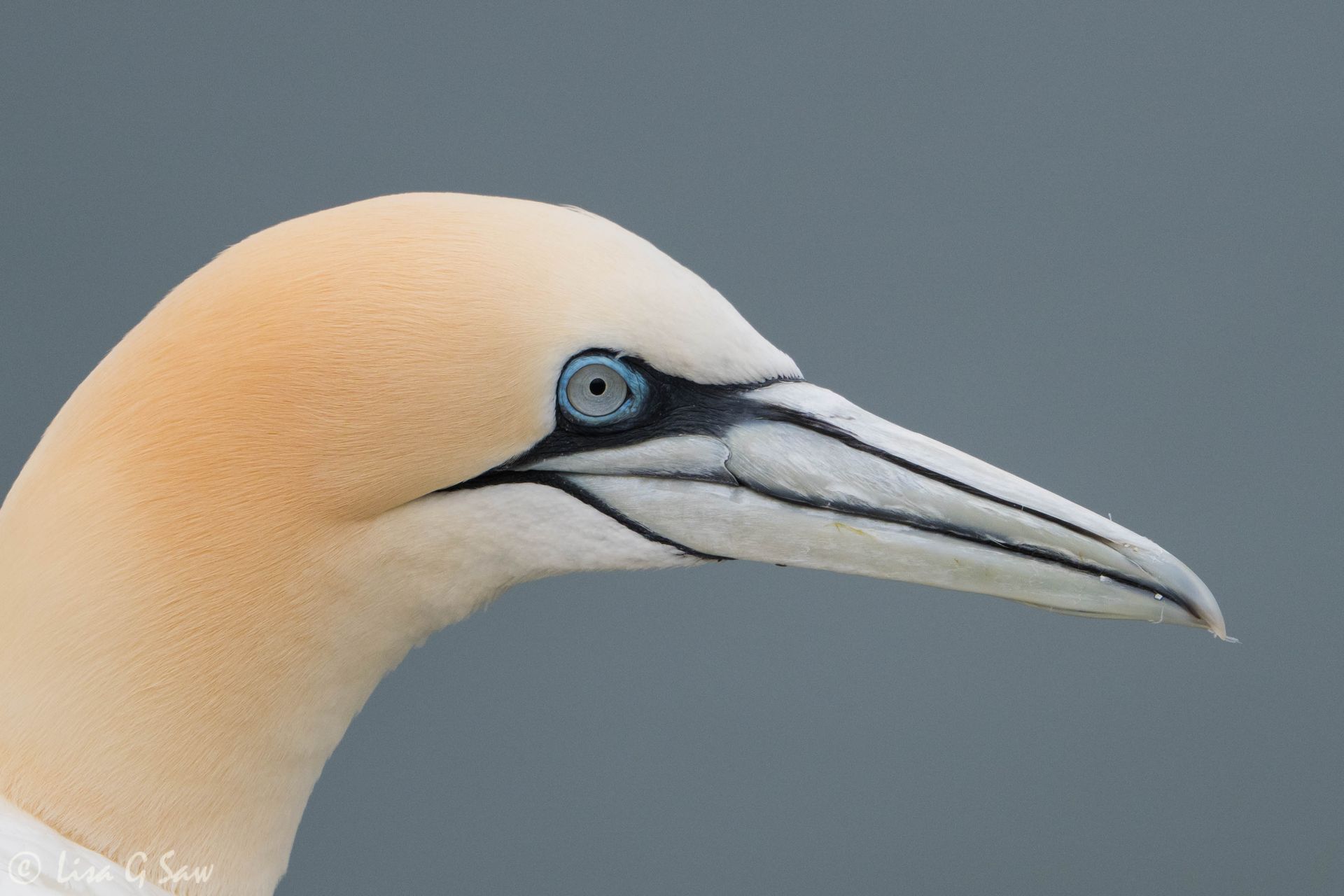
At the end of May, when we had that first bout of warm spring weather, I headed up to Yorkshire with Bob for a week's holiday. We stayed in lovely self-catering accommodation in Buckton where I'd stayed before on a previous visit to the area, but in a deluxe static caravan instead of one of the cottages. The location was fabulous as it gave us wonderful access to the RSPB nature reserve, Bempton Cliffs. It was only a 30 minute walk to the coast, to the northern end of the nature reserve, or we could drive to the various access points not only at the visitor centre nearby, but further eastwards towards Flamborough Headland. Unfortunately, the good weather only lasted the first two days. Having said that, we were lucky the rest of the week because even though it was windy at times, cloudy mostly, and we had some wet spells, we managed to work around it. As always, we try not to let it affect us too much and we both had an excellent time away. Bob's back was still causing him some grief, having put it out a month prior, so we were careful not to spend too long out on walks, or avoid carrying too much equipment. It was actually lovely having a bit more chill time at the accommodation relaxing and reading. The seabirds were the main draw to the area, and there's a good number of them at Bempton Cliffs. They host over 200,000 breeding seabirds during peak season (March to October). Despite the crash in numbers last year due to bird flu, overall the colony seems to be doing well and bouncing back. It's one of the best places in the country to see Northern Gannets, as it is the largest mainland colony, with an estimated 11,000 to 15,000 breeding pairs.
Show More