Lisa G Saw • September 17, 2022

Worthing Beach

It’s hard to know when summer is over and autumn has begun when you have a glorious warm sunny day in September. There may have been fewer people on the beach compared to the height of summer, but some were braving the water, having a swim. Three paddleboarders drifted by close to the shore and further out, two groups of small single sail boats were gliding across the relatively calm water. It looked so inviting as it glistened like diamonds in the sun.


On the beach, a lone gull was standing on the last wooden post of the groyne, like a sentry keeping a watchful eye out for intruders. A wide band of brown seaweed stretched along the high tide line from earlier in the day. Thankfully, it was downwind from me, so its strong salty smell didn't pass under my nose! A single white feather was sticking out of one clump, its origins unknown – it could have been from miles away. Closer to where I was sitting, near my feet, a small spider suddenly appeared, crawling amongst the pebbles, then disappeared from sight just as quickly.


I turned my face towards the sun and closed my eyes for more than a few minutes, enjoying the warmth of its rays. Ever since I discovered it’s good for your eyes, I’ve tried to bathe my closed lids in the sun whenever I can. It felt good to relax them and not observe anything for a while, other than the orange marble effect I could see with my eyes shut. Being out in nature, away from the computer, the TV screen, books, or any other device that adds strain to the eyes, was a welcome relief. Life slows down in these wonderful precious moments.


When I opened my eyes to the world again I noticed a Small White butterfly head towards the water, but quickly it changed direction - there was nothing to entice it further. Instead, it flitted past me towards some Sea Kale nearby, reminding me why they’re sometimes referred to as Cabbage Whites. I got up and wandered over to photograph it with my phone. I noticed its dark grey wing tips and how this extends further along the horizontal edge than the vertical one, reconfirming to me it was definitely a Small White, not a large one. It looked as though it was freshly emerged with beautiful pristine brilliant white wings. Periodically, it rested in the big curled leaves before moving on to another. I was thrilled to capture a moment when it was in flight.

From there, I walked down to the water’s edge where the pebbles thinned out and I could see the sand – wet and compact. The tide was on its way in, but since there was a low on-shore breeze, it was fairly gentle. I stood there really focusing my attention on the calm sound of the water. It soothes the soul. It slows everything down. It can’t be rushed. Everything in its own time. There was a low gentle sounding whoosh as the tide swept up the beach, followed by an ever so slight pause, and a split second of silence, before it receded again. But when the water was pulled back out to sea, draining down the beach, it was a higher pitched sound as it glided over the pebbles, rolling a few along with it. The sound was like rice being poured into a pan.


The highs and lows of the tide are like the ups and downs of life. It’s certainly been a turbulent year for me, which is why the mindfulness moments have been so beneficial, not least because I’m now writing again. Like a long-lost friend, I’ve been reunited with something that brings me great joy. Now, I finally feel like I’m on the up-curve, and it’s time to move forward. Whilst I don’t fully feel like ‘myself’ yet, I trust and hope things will work out in the end. I’m trying to stay positive and ignore the negative chatter in my head. There’s so much to be excited about – new possibilities for the future. I’ll focus my attention on those as I try to go with the flow and hold on to the calm I feel when I’m listening to the sound of the tide.
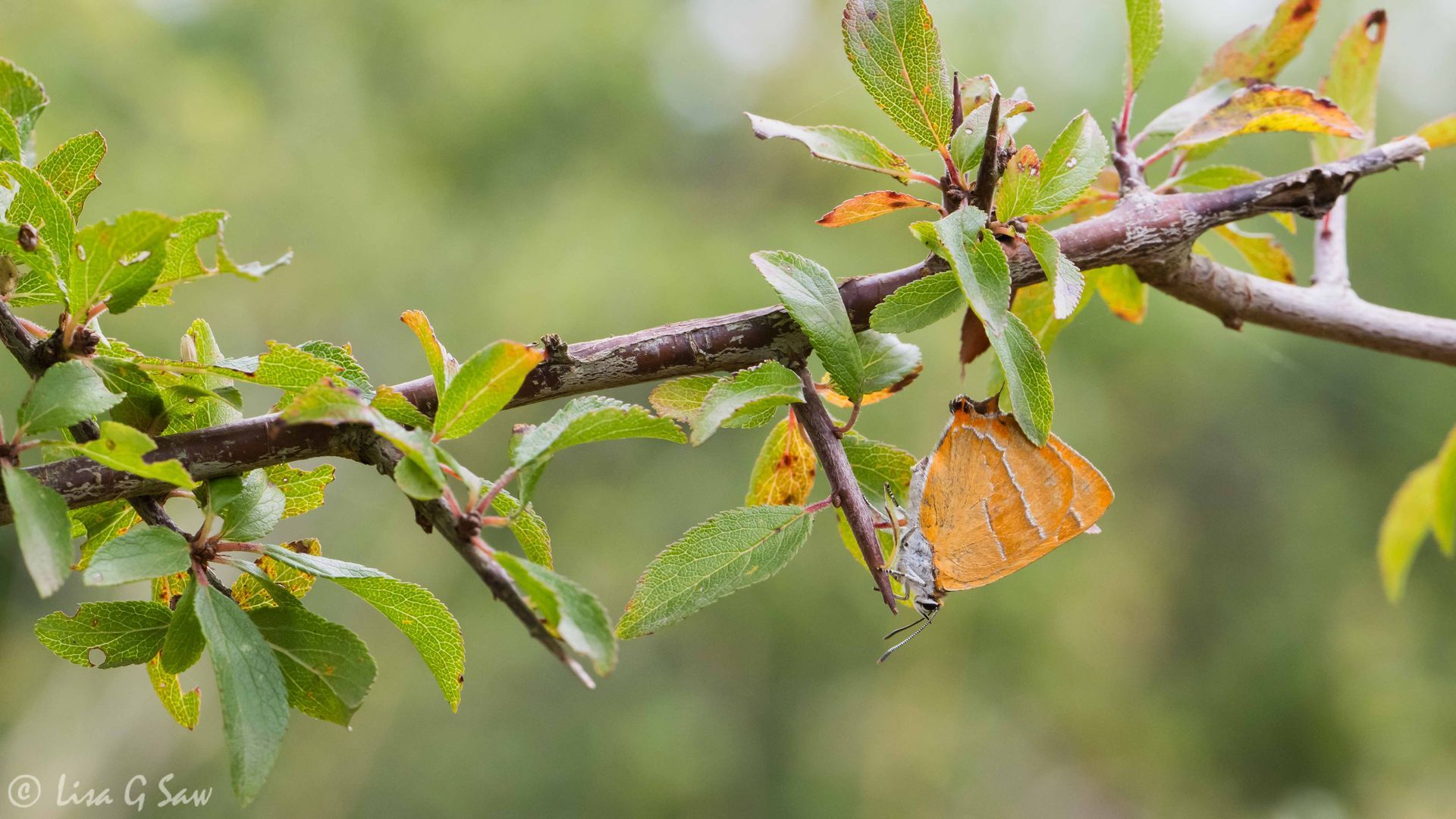
Brown Hairstreak
By Lisa G Saw September 13, 2026
WILDLIFE HIGHLIGHTS It was the insects that were dominating my wildlife sightings again in August, with plenty more dragonfly and damselfly encounters, plus some fabulous moths and butterflies. Early in the month, Bob and I had a call from one of his friends who had a Striped Haw-moth in his moth trap that morning. So we headed over to see it, having to wait some time for the weather conditions to be just right. Needless to say, I'd never heard of it before, but as ever, I'm learning about all sorts of new species and I certainly enjoyed the opportunity to photograph this fairly large moth species. It was very impressive, especially when we were able to see the flash of pink on the hindwings. I do like to experiment with my photography, and not just take the standard back-of-wing shot, and so got down low to take a photo from the side, so I could see its eye peering at me.
By Lisa G Saw September 12, 2026
Our original plan for our trip up to Yorkshire, was to drive direct to Buckton, with rest breaks along the way. It wasn't until we were actually driving north on the A23 that Bob suddenly wondered about the possibility of detouring to Glapthorn Cow Pastures. It's a site in Northamptonshire that is known to be good for Black Hairstreaks - a rare butterfly species in the UK. As I was navigating, I had a quick look on my phone and saw that it would only add about 40 minutes to our journey. Since I'd never seen this butterfly species in its natural woodland habitat - the local colony in East Sussex is of questionable origin, and has most likely been introduced - I was eager to visit this new site. I like being spontaneous and I think Bob was surprised I agreed. In the end, it was the perfect place for us to stop for lunch and enjoy some time in a beautiful quiet woodland. Of the few people there, most were about to leave when we arrived. Bizarrely, I recognised one of them too from back home! It was quite easy to find the ride where the majority of Black Hairstreaks were nectaring. Since it wasn't sunny to begin with, it wasn't too tricky taking some photos as they weren't too flighty. I couldn't believe how many I was seeing. There were several flying around in one small area, and as we ambled up the ride we saw many more - about 30 in total. I saw more in that hour than I had in total prior to that occasion. For the majority of time it was just the two of us in this small stretch of the woodland. It was so peaceful. For the most part, only the sounds of the birds and bees could be heard. It was heavenly!
By Lisa G Saw August 31, 2026
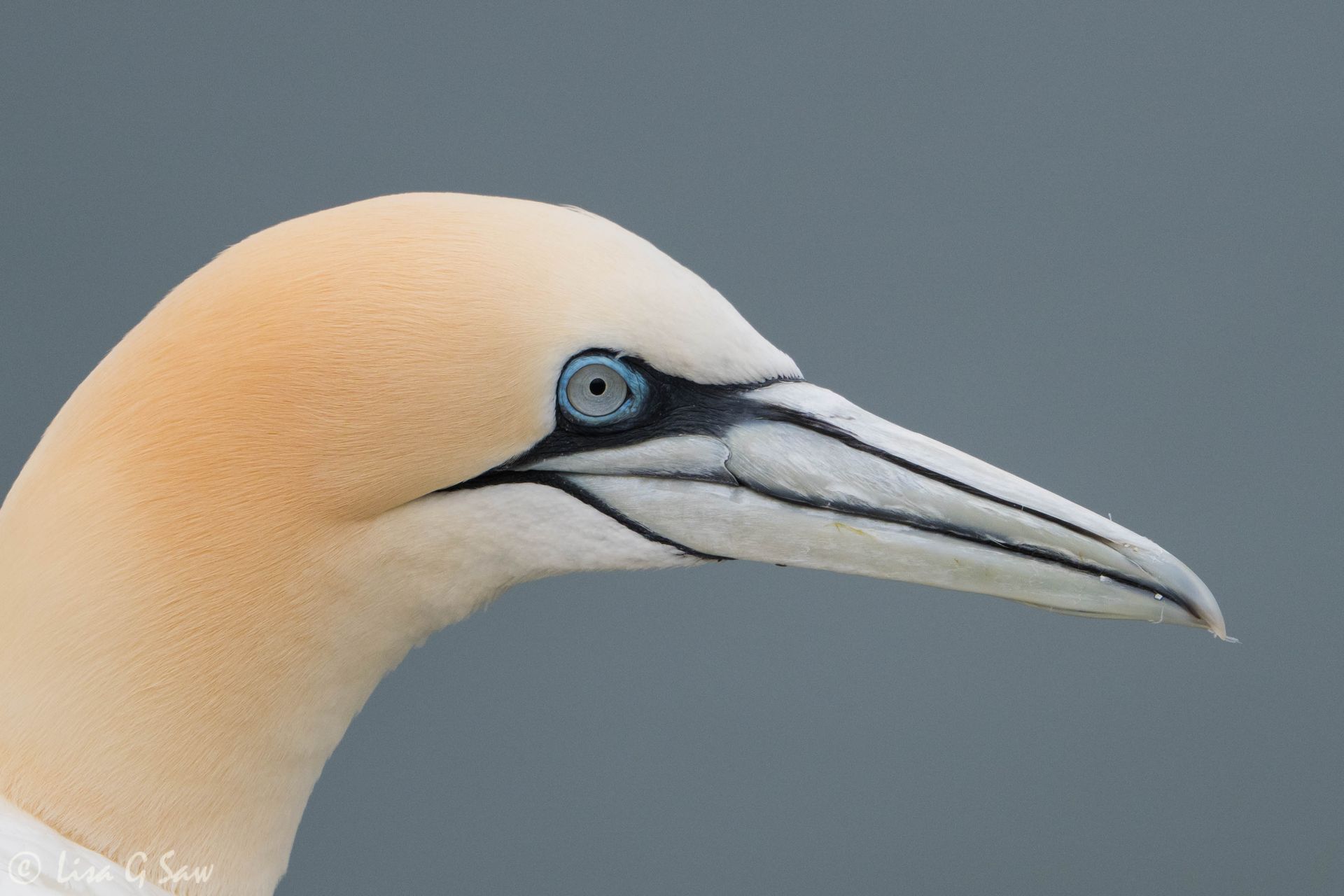
At the end of May, when we had that first bout of warm spring weather, I headed up to Yorkshire with Bob for a week's holiday. We stayed in lovely self-catering accommodation in Buckton where I'd stayed before on a previous visit to the area, but in a deluxe static caravan instead of one of the cottages. The location was fabulous as it gave us wonderful access to the RSPB nature reserve, Bempton Cliffs. It was only a 30 minute walk to the coast, to the northern end of the nature reserve, or we could drive to the various access points not only at the visitor centre nearby, but further eastwards towards Flamborough Headland. Unfortunately, the good weather only lasted the first two days. Having said that, we were lucky the rest of the week because even though it was windy at times, cloudy mostly, and we had some wet spells, we managed to work around it. As always, we try not to let it affect us too much and we both had an excellent time away. Bob's back was still causing him some grief, having put it out a month prior, so we were careful not to spend too long out on walks, or avoid carrying too much equipment. It was actually lovely having a bit more chill time at the accommodation relaxing and reading. The seabirds were the main draw to the area, and there's a good number of them at Bempton Cliffs. They host over 200,000 breeding seabirds during peak season (March to October). Despite the crash in numbers last year due to bird flu, overall the colony seems to be doing well and bouncing back. It's one of the best places in the country to see Northern Gannets, as it is the largest mainland colony, with an estimated 11,000 to 15,000 breeding pairs.
Show More